Rising Clothing Prices: The Ripple Effects of Conflict
In recent weeks, the tumultuous situation in Iran has stirred up significant implications for global supply chains, particularly in the textile and apparel industries. As the conflict escalates, consumers may soon feel the impact in their wallets, as prices for clothing could rise dramatically. The link between geopolitical tensions and everyday consumer goods may not be immediately apparent, but the interconnectedness of global markets makes it a stark reality.
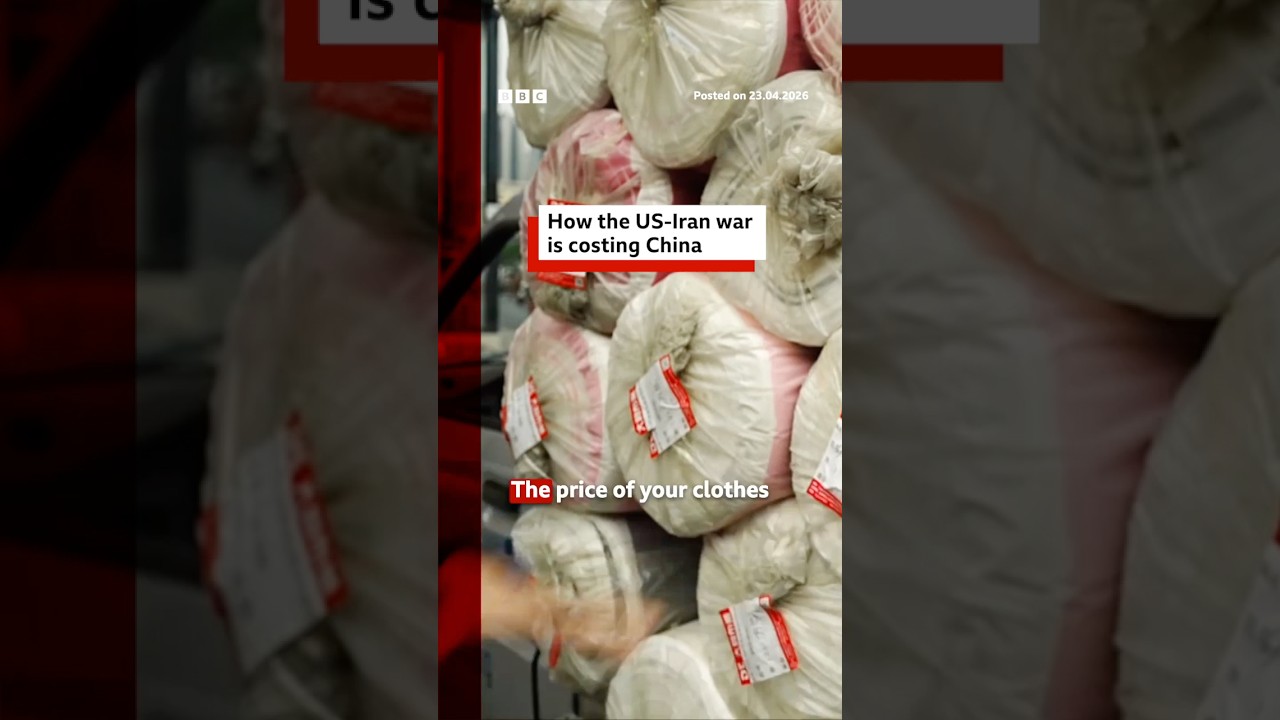
China, as one of the world’s largest manufacturers, predominantly relies on oil—not just for energy, but as a key component in the production of numerous goods. From polyester fabrics to various plastics, a vast array of products is directly affected by oil prices. With the ongoing war in Iran, analysts are observing notable shifts in commodity costs, which inevitably translate to higher retail prices.
Conversations with traders and industry workers across several Chinese factories reveal that these rising costs are not a mere blip on the radar. Increasing expenses linked to supply and production are set to be passed on to consumers. As a vast manufacturing hub, China is acutely aware of the challenges stemming from geopolitical instability. The fabric of its economy, woven into global supply chains, is under strain. While these economic shifts may press consumers to dig deeper into their pockets, they also highlight the intricate web of interdependence in today’s economy.
In a broader sense, while this war impacts prices, it may paradoxically afford China’s President Xi Jinping some diplomatic leverage. As tensions unfold, China positions itself as a stabilizing force amid the chaos—an image that contrasts starkly with perceptions of unpredictability in other global leaders, notably the United States. This comparison offers Xi a narrative of strength, bolstering his domestic and international legitimacy.
That said, it is essential to clarify that political maneuvering is complex and multifaceted. Recent social media comments from former President Donald Trump, claiming he would be welcomed with open arms by Xi upon his next visit to China, reflect a simplistic read on diplomatic realities. The relationship between China and the United States is nuanced, influenced by historical context, economic interests, and shifting alliances. Diplomatic gestures may be absent, but behind closed doors, China’s strategy appears to involve encouraging Iran—its ally—to engage in negotiations.
This approach not only allows China to maintain its image as a global powerhouse but also can help mitigate some economic repercussions stemming from the conflict. By promoting dialogue, China can hope to stabilize oil prices, which, in turn, may lessen the financial burden on its textile manufacturing sector and the consumers waiting for affordable clothing options.
However, this does not mean consumers will escape the repercussions altogether. Experts predict an increase in clothing prices as supply chain costs rise. Retailers may face tough decisions: absorb the costs themselves or pass them on to consumers. As prices climb, shoppers may be compelled to either adjust their spending habits or reassess the value of their purchases.
In conclusion, the ongoing conflict in Iran serves as a reminder of the expansive reach of geopolitical events on daily life. As consumers prepare for potential price hikes on clothing, they must also consider the broader implications of a changing global landscape. Behind every piece of fabric or garment lies a story woven in complex threads of international relations, economic pressures, and manufacturing realities. Understanding these connections can offer valuable insights into how global dynamics manifest in local economies, shaping the price we pay for the simplest necessities. While it may be easy to view pricing trends strictly through an economic lens, they are inextricably linked to the turbulent currents of global politics.