Toronto’s Water Meter Transmission Units Set for Replacement Amidst Billing Confusion
In a significant development, the city of Toronto has announced plans to replace nearly 470,000 water meter transmission units. This initiative follows a series of premature failures of these battery-powered devices, which transmit water usage readings to city officials. The challenge has not only raised questions about the reliability of billing practices but has also led to shocking discrepancies in customer bills—discrepancies that highlight systemic issues within the city’s water management system.
The cost of this large-scale replacement is estimated at $103 million, and the project will unfold over the next three years. As City officials prepare to address this substantial problem, many residents are left grappling with the consequences of prior billing errors. Throughout the duration of the meter failures, numerous bills were generated based on estimated usage, leading to confusion and frustration among property owners and renters alike.
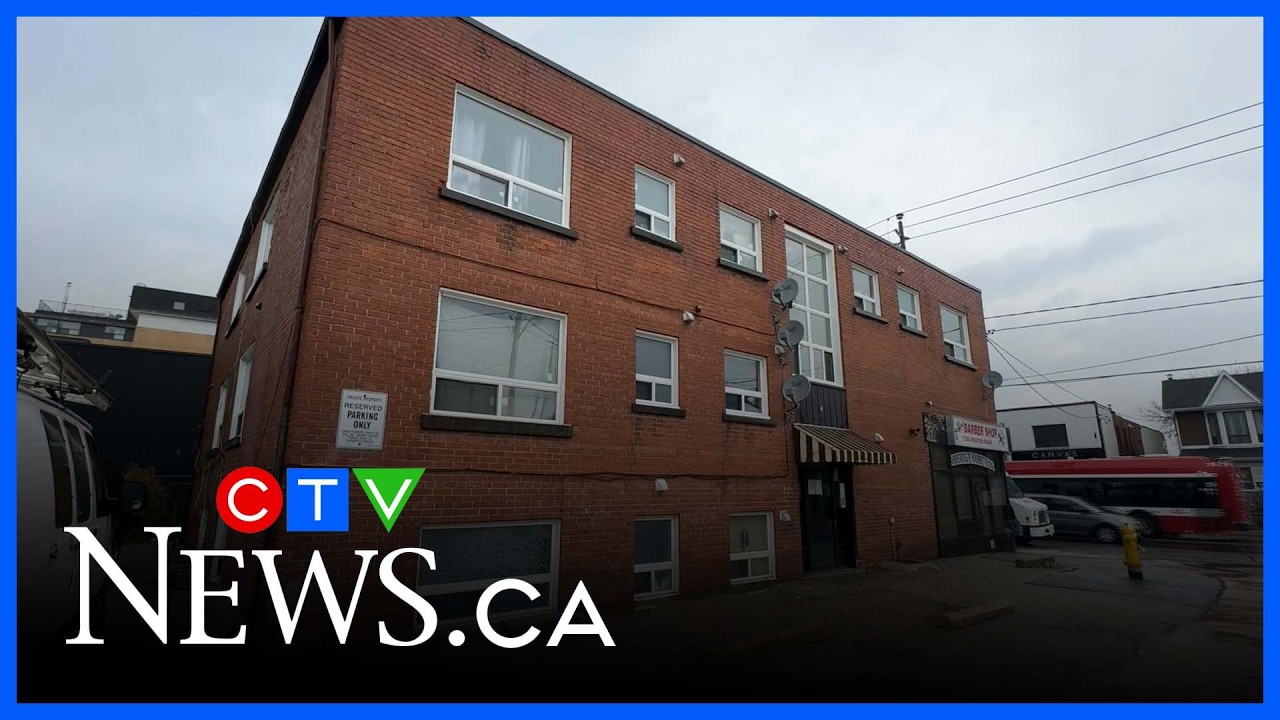
One notable case involves Manju Duga, who operates an eight-unit apartment building on Weston Road. Duga received an astonishing water bill exceeding $31,000—a sum that she insists is uncharacteristic for her property. “I think something is seriously wrong,” she stated, expressing disbelief over the sudden increase in charges. For over three decades, Duga’s family has owned the building without encountering bills of such magnitude. Following the bill’s arrival, she engaged a plumber to inspect for potential leaks; however, no issues were found. This prompted her to contact the city’s water department, where her concerns were met with the grim realization that the meter’s transmission unit had failed.
A spokesperson for the city clarified that while the water meter itself was functioning accurately, the faulty transmission unit meant that Duga’s account had been inaccurately billed based on estimates for nearly three years. Once a manual reading confirmed the meter’s correctness, a staggering catch-up bill was issued, leaving Duga with a hefty financial burden.
The issue has become emblematic of a broader problem, as many property owners have faced similar experiences of unexpected and inflated water bills due to the malfunctioning devices. Duga’s story is not an isolated incident but rather a reflection of a systemic flaw in how water usage is monitored and billed in Toronto.
Upon reaching out to the city, CTV News played a crucial role in Duga’s case. Following their intervention, an inspector was dispatched to assess the unit in question. It was determined that both the water meter and its transmission unit were faulty, necessitating their replacement. As a result, Duga’s bill was adjusted from the initial $31,000 to a more manageable $12,400—a change that, although not perfect, offered her considerable relief. “I’m so glad that I was in touch with you,” she expressed with gratitude, acknowledging the importance of media advocacy in her situation.
Moving forward, the city offers residents options to avoid the pitfalls of estimated billing. Toronto residents can contact 311 to check their billing balances or report meter readings. Furthermore, online submissions of meter readings can be made through the city’s official website, empowering residents to have more control over their water bills.
The forthcoming replacement of the transmission units promises to improve accuracy in billing and restore public trust in the city’s water management. However, until these changes are fully implemented, residents must remain vigilant and proactive in managing their accounts. The implications of mismanaged water billing extend beyond individual households; they underscore the importance of effective infrastructure and reliable communication between city departments and the public.
As Toronto navigates this transition, it becomes increasingly clear that the failure of technology can have profound impacts on its residents. The replacement of these water meter transmission units is not just a logistical necessity; it is an essential step toward ensuring fairness and transparency in municipal governance.