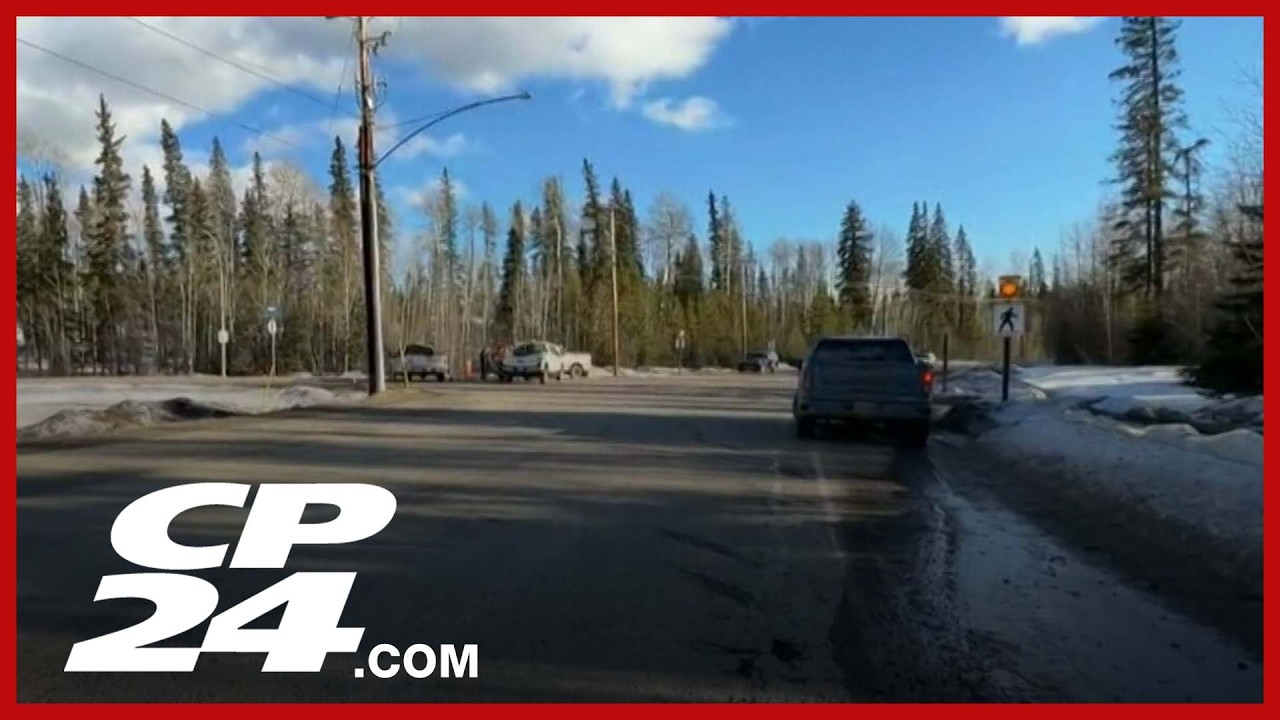
In a tragic event that has shaken the small community of Tumbler Ridge in northeastern British Columbia, a mass shooting on Monday led to the deaths of ten individuals, including the suspected shooter. The incident unfolded at Tumbler Ridge Secondary School and a nearby residence, sending shockwaves through the region and beyond.
Police were alerted to an active shooter situation at the high school on the afternoon of the incident. Upon arrival, they discovered six victims deceased inside the school building. A seventh victim succumbed to their injuries while being transported to the hospital, while two others were airlifted with serious or even life-threatening injuries. In total, around 25 people are currently being evaluated and treated for non-life-threatening injuries, highlighting the widespread impact of this horrifying event.
The dynamics of the situation were complicated further by the discovery of two additional victims at a nearby residence, leaving many questions unanswered, particularly regarding the motive behind this horrific act. Authorities have not yet commented on potential motivations, stating, “We believe we’ve been able to identify the shooter, but for privacy reasons and the conduct of the investigation, we’re not releasing that information at this time until we’re assured we’ve connected with the appropriate people.” This careful approach reinforces the sensitivity surrounding the unfolding investigation, as police work diligently to piece together the details of that fateful day.
The shooter was also found dead inside the school, having apparently taken their own life. The tragic end to the suspect raises complex questions about mental health and the warning signs that might have been overlooked. While it’s too early to assign blame or draw conclusions, discussions about community mental health resources may gain new urgency in the aftermath of this incident.
In response to the tragedy, Prime Minister Justin Trudeau has suspended a planned trip to Europe. He shared a heartfelt statement that resonates with the collective grief being felt across Canada: “My prayers and deepest condolences are with the families and friends who have lost loved ones to these horrific acts of violence. I join Canadians in grieving with those whose lives have been changed irreversibly today and in gratitude for the courage and selflessness of the first responders who risked their lives to protect their fellow citizens.” This statement not only acknowledges the pain of the victims’ families but also underscores the remarkable bravery exhibited by first responders.
The Tumbler Ridge community, small and tight-knit, is left grappling with the aftermath of violence that seems all too rare in their lives. Schools, typically seen as safe havens for children and adolescents, have now been marked by a tragic event that will forever alter their sense of security. Educators, parents, and students alike must navigate their grief while seeking to understand how such a tragedy could occur in their community.
As the investigation unfolds, it will likely lead to difficult conversations about gun control, mental health, and the societal factors that contribute to violence. Experts emphasize the need for a comprehensive approach to preventive measures, including targeted mental health programs and community engagement initiatives. These discussions are not limited to Tumbler Ridge; they are part of a broader national dialogue aimed at preventing future tragedies.
For now, the immediate focus remains on those affected—both the families mourning loss and the survivors confronting their physical and emotional scars. As Tumbler Ridge starts to heal from this unspeakable horror, the importance of community support will be paramount. By coming together, sharing resources, and fostering open conversations about grief and healing, the community may find a path forward amid the darkness of this tragedy.