Tragedy in Montreal: A Police Officer’s Sacrifice Amid Gun Violence
On a seemingly ordinary Monday in Montreal, a devastating event unfolded in the Côte-des-Neiges neighborhood, shattering the tranquility of an area known for its diversity and community spirit. Just before noon, a frantic 911 call reported gunfire, leading to an intense police response that culminated in the tragic death of one police officer, the gunman, and a civilian. The police chief, visibly emotional during a press conference, described the day as "a nightmare" for the department.
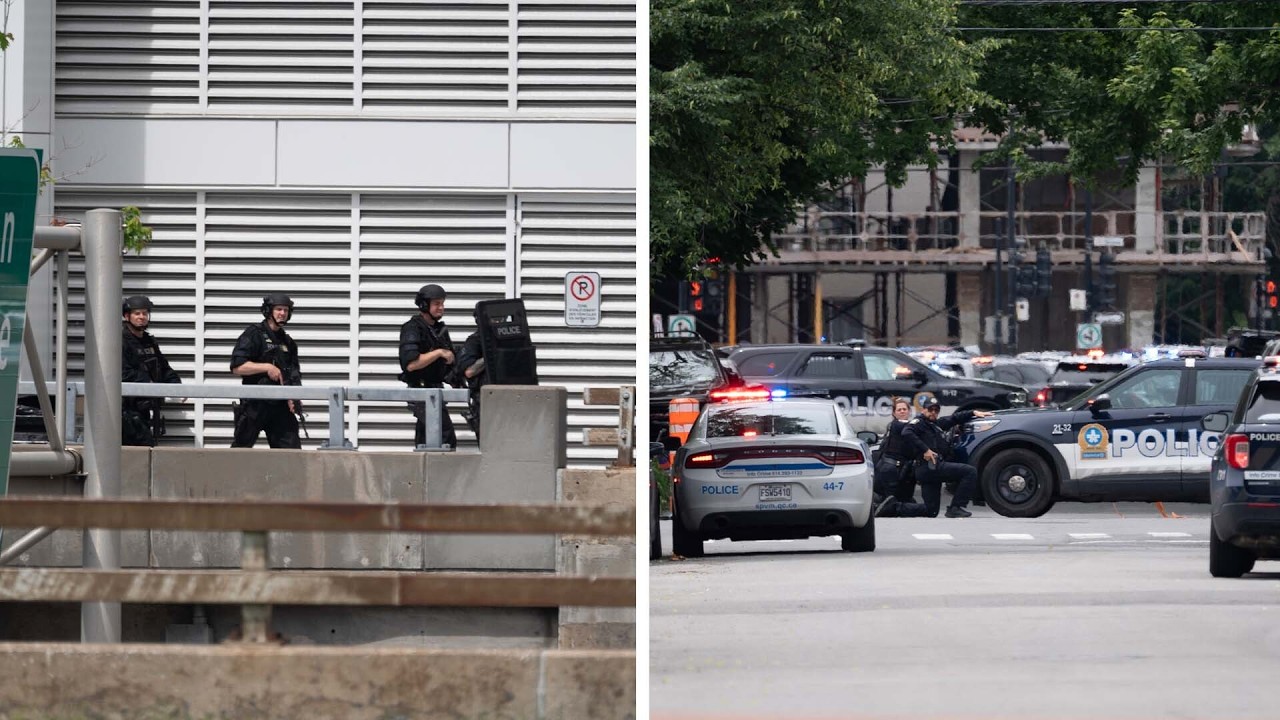
At approximately 11:35 am, officers arrived on the scene, only to be met with an exchange of gunfire. Witnesses reported seeing individuals dressed in military-style attire, hinting at a potential ambush targeting the police. Eyewitness accounts varied, with some believing there were multiple suspects while police confirmed the neutralization of one assailant. This confusion highlights the chaos of the moment, as residents were left sheltering in place, fearing for their safety as the situation developed.
The immediate response involved local and provincial police forces, with major highways closed to secure the area. An emergency alert was issued, urging residents to remain indoors. As the police worked to apprehend the suspect, thoughts of community safety were paramount. Local businesses, including a deli directly affected by the shooting, reported customers trapped inside for hours, heightening the sense of unease in the neighborhood.
The police operation was characterized by urgency and a sense of duty. One nearby resident, a frustrated mother, recalled the harrowing moments she spent in her car, waiting for news about her two sons who were nearby. The fear that permeated the area was palpable, painting a stark picture of civilian anxiety in the face of escalating violence.
This tragic incident is a reminder of the dangers police officers face daily while serving their communities. In the past weeks, Canada has witnessed several alarming incidents involving police and civilians, bringing public safety concerns to the forefront. The aftermath of this most recent tragedy revealed that even in a city renowned for its vibrancy, violence can disrupt lives in an instant.
Montreal’s Police Chief addressed the public seriousness of the situation. He expressed solidarity with his officers and emphasized the importance of community vigilance in the face of such threats. His somber tone resonated with citizens who were grappling with the loss of life, both of the fallen officer and of a community member caught in the crossfire.
As investigations continue, the police are focused on determining the motives behind the attack. Questions loom regarding the suspect: Who was he? What drove him to commit such an act of violence? The community is left to process not only the immediate trauma but also the broader implications of safety and violence in urban spaces.
While local officials work to secure the area and provide reassurance, the emotional toll on the families of the deceased, along with the entire police force, remains high. Each officer’s dedication to their duty weighs heavily, particularly in moments like these where the ultimate sacrifice has been made. It serves as a grave reminder that the commitment to protect and serve can come at a steep price.
Montreal is now faced with the urgent task of healing, alongside the challenge of addressing the rising concerns of public safety amidst gun violence. As lives are forever altered, the resilience of the community will be tested. Ultimately, how this tragedy influences future legislative measures and community policing strategies will be crucial in preventing further violence.
As neighbors unite in solidarity, the hope remains that through shared experiences and support systems, healing will commence amid the grief. The conversation shifted from fear to action—a call for dialogue on safeguarding communities while honoring the valor of those who dedicate their lives to public service. In the days to come, the impact of this event will ripple through the city, reinforcing the need for compassion, understanding, and reform in addressing the complexities of violence in society.