Could Andy Burnham Become the Next UK Prime Minister? A Closer Look at the ‘King of the North’
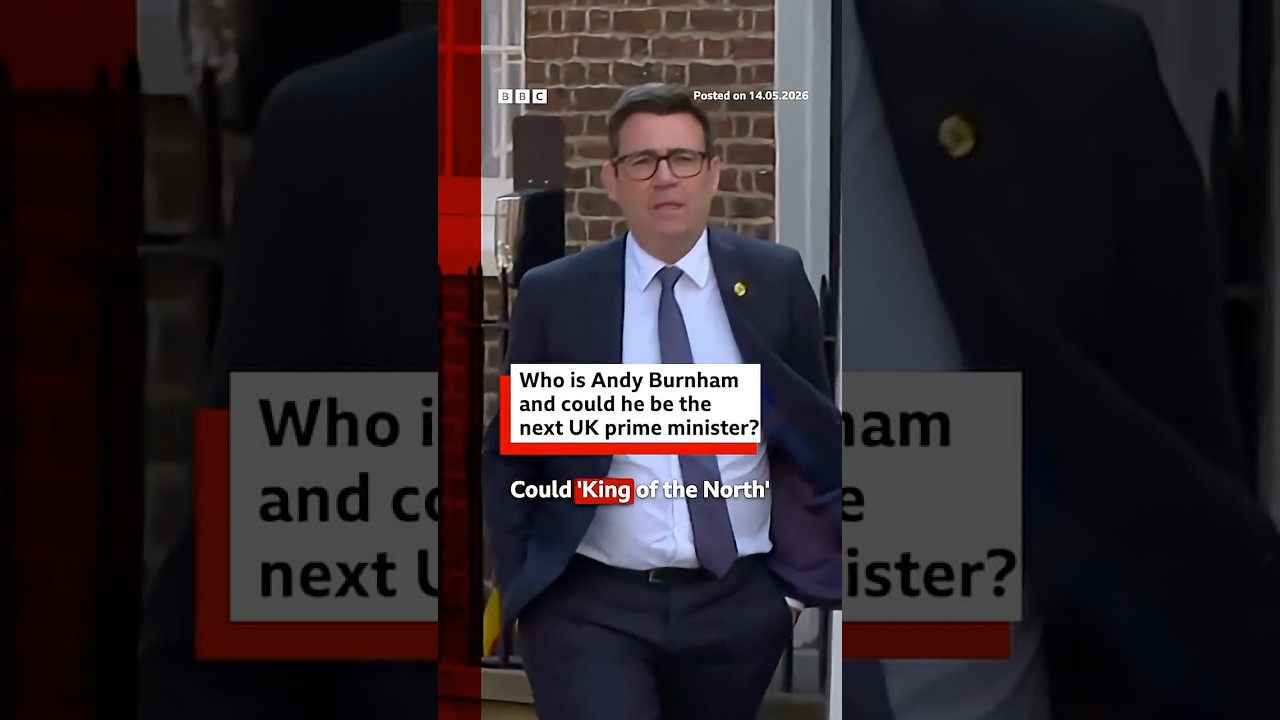
As the political landscape in the United Kingdom continues to evolve, one name that frequently emerges in discussions about potential candidates for Prime Minister is Andy Burnham. The current Mayor of Greater Manchester and former MP for Leigh, Burnham is a figure whose trajectory within the Labour Party and British politics has made him a prominent contender for the country’s highest office.
At 56 years old, Burnham boasts a career marked by a rich blend of experience and public service. His tenure as MP for Leigh from 2001 to 2017 allowed him to build a solid political foundation. Since taking on the role of Mayor of Greater Manchester, he has earned the affectionate nickname "King of the North," signifying not only his influential position but also his commitment to the region’s development and its people.
Burnham’s political resume is impressive. He has held significant roles in government, serving in various capacities, including as Secretary of State for Health and as a Minister for Culture. These positions have given him a thorough understanding of the complexities involved in governance, particularly within the realms of health care and public welfare. His experience in both government and shadow cabinet roles has provided him with invaluable insights into the mechanics of the Labour Party and its challenges.
However, despite his popularity and extensive experience, Burnham faces a considerable hurdle on his path to the premiership: he is not currently an MP. In the UK, the Prime Minister must be a sitting member of Parliament, and Burnham has made it clear that he aspires to lead Labour and, by extension, the country. His ambitions reflect a deep-seated commitment to progressive values and social justice, which resonate strongly with a significant portion of the electorate.
Polling data indicates that Burnham stands out as one of the most popular politicians in the Labour Party. His ability to connect with voters is evident, bolstered by his visibility as Mayor. In recent years, he has taken a strong stance on issues such as the NHS, social inequality, and the need for greater investment in public services. His leadership during the COVID-19 pandemic particularly resonated with many, showcasing his capacity to navigate crises with empathy and decisiveness.
Yet, his ambition to ascend to the role of Prime Minister has met obstacles. In January, Burnham attempted to secure the Labour Party’s candidacy for the Gorton and Denton by-election, hoping to return to Parliament. Unfortunately, his aspirations were thwarted by Keir Starmer and his allies on Labour’s ruling body. This setback underscores the complex internal dynamics within the party and the challenges any potential leader may face.
For Burnham to realize his goal, he will need to explore strategic avenues. One possible route would involve finding a current Labour MP willing to step aside, thereby opening up a seat for him. Without the backing of his party and the means to secure a seat in Parliament, his ambitions may remain just that—ambitions—rather than actionable realities.
Despite these challenges, Burnham’s appeal remains strong. He has a knack for articulating the needs and concerns of ordinary people, drawing on his experiences in public service. Whether he can overcome the barriers posed by party politics and secure a parliamentary seat will be crucial in determining his future.
In conclusion, while Andy Burnham’s ambition of becoming Prime Minister hinges on several factors—most notably, securing a seat in Parliament—his reputation as a seasoned politician and a compassionate leader puts him firmly in the spotlight. As the political landscape continues to shift, the question remains: could Burnham’s path from the "King of the North" to the keys of Number 10 become a reality? Only time will tell.