The Dawn of Toronto’s Eglinton Crosstown LRT: A Transit Milestone
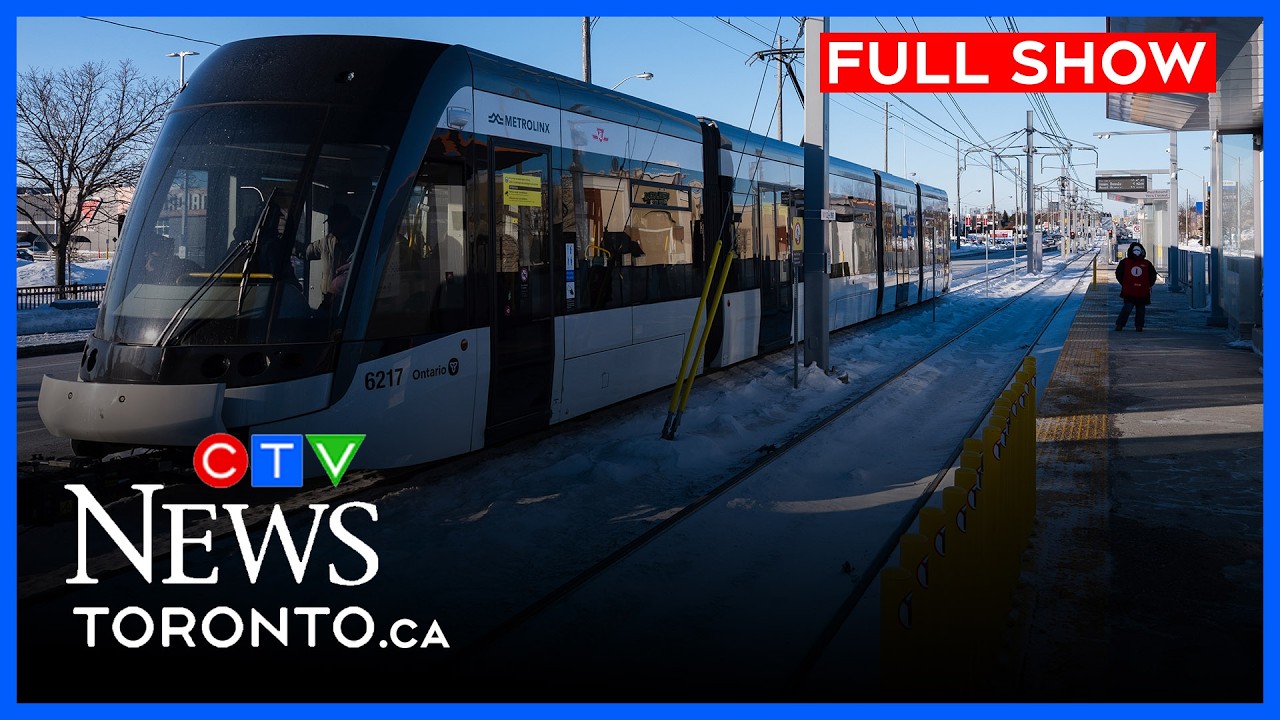
After 15 years of planning, delays, and construction hassles, the Eglinton Crosstown Light Rail Transit (LRT) finally made its debut for daily commuters. Officially opened yesterday, today marks its first operational weekday, providing a much-anticipated transit option for thousands of Torontonians.
Covering 19 kilometers with 25 stops, the Eglinton Crosstown LRT promises to dramatically enhance urban mobility across the city. As reported by CP24’s Beatrice, initial feedback from commuters is overwhelmingly positive. Riders have noted the cleanliness, spaciousness, and rapid pace of the underground sections. One commuter described a significant reduction in travel time, claiming their journey from Mount Dennis to Cedarvale station now takes only ten minutes.
The consensus among early riders reflects a blend of relief and excitement. Many commuters have expressed their appreciation for this completed project, a sentiment echoed by a mother whose child was not yet born when the concept of the Crosstown LRT first emerged. The long-awaited opening also prompted discussions around the project’s extensive delays and budget overruns, which have ignited calls for a public inquiry to investigate the timeline and cost discrepancies surrounding the initiative.
While many rejoiced at the improvements, there remains an underlying sense of skepticism about the project’s past. A bus driver, formerly struggling with construction disruptions, noted the advantages of the LRT’s speed and efficiency in contrast to the challenges faced while operating a bus. Another commuter shared that they are hopeful the LRT will become an integral part of their daily routine, marking a new chapter in Toronto’s transit landscape.
Beatrice’s live updates captured the wide range of public sentiment, but they also hinted at the neighborhood impacts of the LRT’s construction. The ongoing construction at Little Jamaica had, for years, wreaked havoc on local businesses, leading to closures and immense financial strain. However, with the LRT now operational, local merchants are optimistic about attracting foot traffic back to their establishments. One business owner noted a hopeful turnaround, expressing excitement at the potential influx of customers drawn to the newly accessible area.
With the successful launch of the Eglinton Crosstown LRT, City Hall has also been abuzz with discussions about future transit projects. CTV’s Natalie Johnson reported that local officials are advocating for better collaboration between transit agencies to prevent a repeat of previous operational failures.
High on the agenda are calls for a public inquiry to scrutinize the project’s numerous pitfalls—including the staggering $1 billion budget overrun and the six-year delay past its original 2020 launch date. The significance of operating a functional and timely transit system has never been more apparent, as city councillors stress the need for comprehensive reviews to avert similar issues in future projects.
As this ambitious project unfolds, immediate questions linger. Can the Eglinton Crosstown serve as a blueprint for other transit initiatives? Will the lessons learned ensure improvements in future developments, such as the planned Ontario Line?
For now, as Toronto embraces this long-awaited LRT system, both riders and city officials look forward with cautious optimism. While there are undeniable improvements in connectivity and speed, the overarching sentiment—one of hope for future transit undertakings—remains at the forefront of public discourse. As the Crosstown LRT begins to shape the city’s transportation landscape, its impact on communities, commerce, and urban mobility will be watched closely.