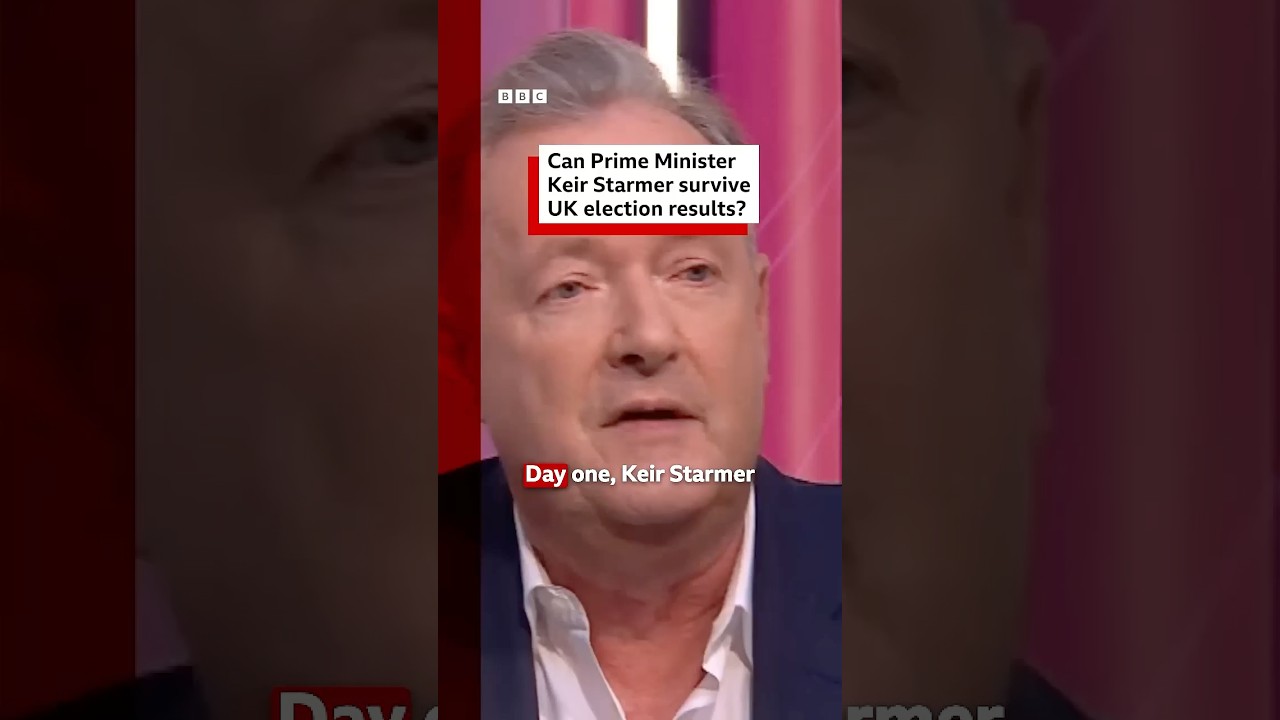
The Decline of Traditional Political Parties: Reflections on Recent Developments in the UK
As Kier Starmer stepped into the role of leadership, he proclaimed on day one, “Things are going to get worse before they get better.” In hindsight, these words resonate more profoundly than he may have intended. The recent election results appear to signal a pivotal moment for the United Kingdom’s political landscape, potentially marking the beginning of the end for the long-standing dominance of the traditional parties.
Starmer’s Labour government, having been entrusted with power after a lengthy period of opposition, had 14 years to strategize about its governance. Its failure to offer a compelling vision during this time contrasts starkly with the urgent needs of the electorate. Starmer himself acknowledged that the government had not successfully stemmed the tide of decline that many citizens have long felt in their daily lives. The populace yearned for a halt to this decline; however, the realities in their pockets, communities, and opportunities tell a different story—one of dissatisfaction and disillusionment.
The issues at hand extend beyond the denizens of Westminster. Ordinary citizens are feeling the repercussions of choices made at the political helm. Local elections across large swathes of England serve as a clarion call, revealing a sentiment that has been brewing, particularly in Scotland. The overarching narrative indicates that Westminster is failing to address the needs of its constituents. Politics appears to be functioning primarily in self-interest, further alienating the very people it purports to serve.
The focus on the recent elections raises critical questions about the efficacy of established political structures. In many ways, Kier Starmer epitomizes the discontent with the current state of governance. While he was not directly on the ballot for Wales, the implications of his leadership reverberate throughout the entire United Kingdom. Many regions, including Wales, are witnessing first-hand the consequences of decisions made under his leadership. Issues such as the handling of the winter fuel allowance and alterations to family business taxes have not only raised eyebrows but have incited public outrage.
The government’s recent decisions reflect a broader pattern of disconnect from the electorate. For instance, the controversial moves regarding pensions and support for family-run businesses reveal a lack of empathy or, perhaps more troubling, a lack of understanding of the fabric that holds communities together. These decisions are being seen not as necessary austerity measures but as symptoms of a leadership out of touch with reality.
Kier Starmer’s leadership, amidst a historical backdrop, also brings to light a much-needed conversation about what the future of governance in the UK will entail. The reaction in Wales, especially, indicates a shifting paradigm. Citizens are calling for accountability, a fresh perspective, and a resonance with their lived experiences. As the political landscape is scrutinized, the question arises: Are the old guard still fit to lead?
In reflecting on the broader implications, one can’t help but acknowledge the dissatisfaction that appears to be swelling across the electorate. The traditional parties, which have dominated the political scene for decades, now face a reckoning. This is not just about Kier Starmer or Labour; it’s about the emotional and tangible disconnect felt by citizens who once trusted these institutions to act in their best interest.
As the country grapples with these revelations, there exists an opportunity for rejuvenation. The challenge lies in whether the current leadership can pivot from a path focused on preservation and instead move towards meaningful change. For too long, the populace has been caught in the gears of a political machine that seems removed from the realities of everyday life. If these signs herald the decline of traditional party dominance, they might also signify the dawn of a new era—one where governance is more attuned to the needs of the people.
In this moment of transition, the stakes are high. The British public seeks not just words but genuine leadership that can navigate the complexities of modern governance. In the unease that accompanies change, there lies the potential for renewal. Will the current political actors seize this moment, or continue to uphold a system perceived by many as fundamentally flawed? Only time will tell.