Can Keir Starmer Survive the Latest Election Setbacks?
The recent local elections in the UK have ignited discussions about the future of the Labour Party under Keir Starmer’s leadership. What began as a relatively promising political tenure has transformed into an uphill battle marked by internal dissent and declining public support. The results suggest that the electorate may be craving change, and many are questioning whether Starmer can weather this storm.
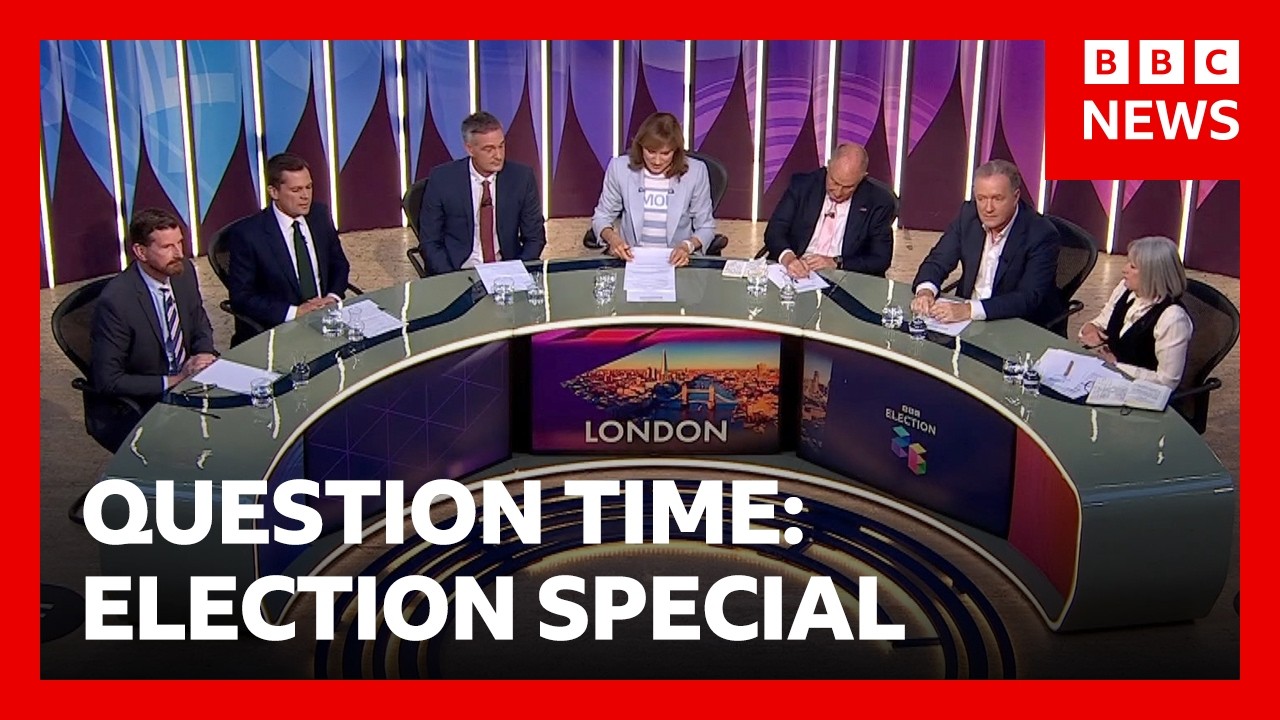
Robert, a political commentator, highlighted that the catalyst for these elections was the legal moves from Nigel Farage, which he believes reflect a growing disillusionment with the traditional political landscape. “This is the beginning of the end for the two old parties,” he argued, noting that millions feel let down by both Labour and the Conservatives. Issues such as rising living costs, immigration, and increasing crime rates have left constituents yearning for real alternatives, which has fed into the popularity of parties like Reform.
Indeed, many voters are turning their backs on Labour, exemplifying a frustration that extends beyond mere dissatisfaction. As Robert pointed out, this is not just an isolated incident but a culmination of long-standing grievances against a perceived ineffective governance. “People are voting for something different now,” he continued, signaling a decisive shift. The emergence of the Reform Party, which aims to address these very grievances, indicates that voters are willing to chase new options, despite the risk involved.
While some pundits believe that Starmer should resign, there are opposing views suggesting that leadership changes won’t suffice. Political analyst Fiona noted the consistency in Labour’s failures over the past two years, referencing the party’s poor handling of crucial promises and its ability to bring about meaningful change. “It’s been the most shambolic government I’ve ever seen,” she claimed, attributing the urgency for reform to a failure of leadership that has left the public feeling frustrated and neglected.
Economic strains drive much of this dissatisfaction. A student in the audience expressed concerns about accumulating student debt and the difficulty of securing employment post-graduation, highlighting a disconnect between political promises and lived realities. This sentiment resonates broadly; many young people feel abandoned by a system that has failed to provide for them.
There is an acknowledgment within the Labour Party of their shortcomings. Starmer himself has admitted that the party has struggled to bring urgency to its vision for the nation, which leads to further questions about his future. The fundamental question remains: can Starmer lead Labour to success in the next election, or will he be ousted in favor of an alternative that might resonate more with a beleaguered electorate?
Yet, one must consider if parties like Reform genuinely offer a comprehensive blueprint for governance or are merely benefiting from the current discontent with mainstream politics. Some analysts argue that Reform’s policies are not fully fleshed out and lack public awareness. While reformers are capitalizing on the dissatisfaction with established parties, they may find the complexities of governance challenging once in power.
Amidst these transformations, the conversation about party integrity has emerged. Allegations of undue influence related to financial donations within parties have raised questions about moral governance. Something echoed repeatedly is that voters are weary of the old political dynamics, where back-and-forth between Labour and Conservative has left many feeling that they are merely shuffling the deck without addressing deeper issues.
Even with a surge for new political forces, many voters remain skeptical. A woman in the audience passionately voiced that the real issue lies in the collective responsibility of political leaders irrespective of party affiliation. Her assertion resonates: changing party colors doesn’t absolve past failures, and what the electorate craves is accountability and action.
As the political landscape shifts, it remains to be seen whether Keir Starmer can navigate these turbulent waters. The call for genuine leadership and progressive solutions is louder than ever, and with the looming threat of upcoming elections, the pressure mounts. Political analysts and constituents alike are keenly observing Labour’s next steps, as the survival of its leader may very well hinge on the party’s ability to adapt to the changing political currents facing the UK today.