Rising Oil Prices Amid Tensions with Iran: An Unsettling Landscape
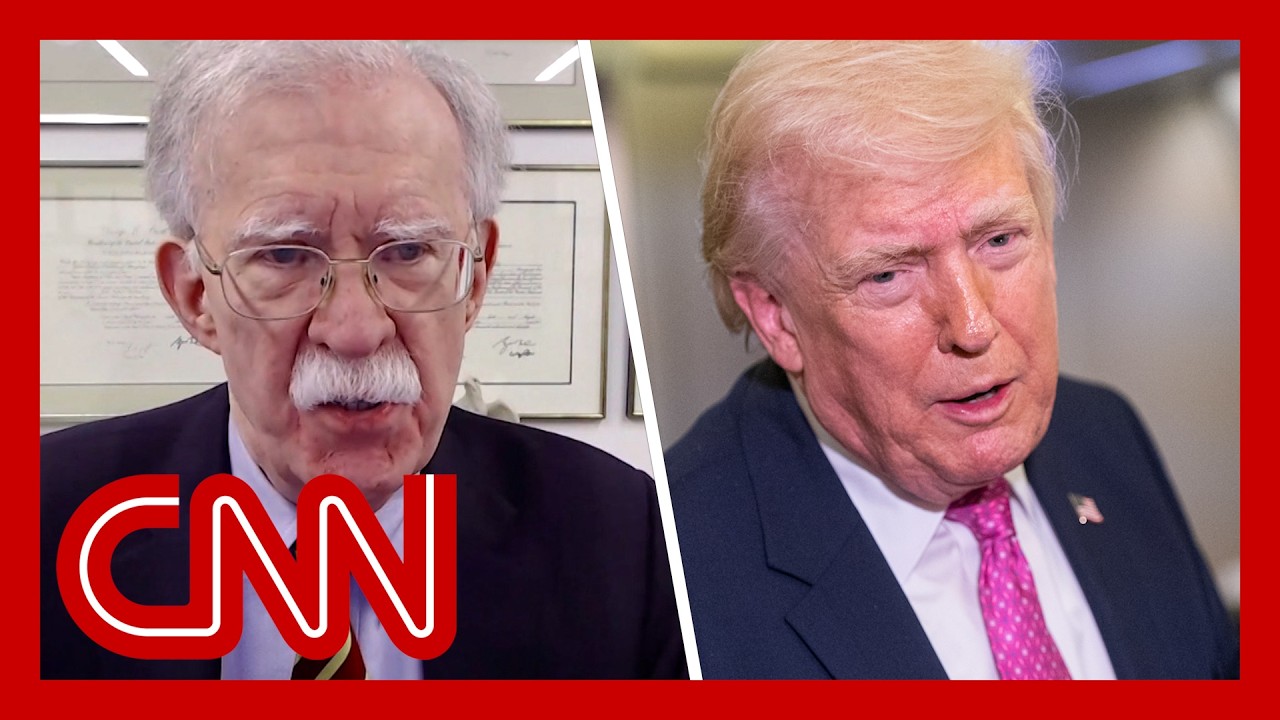
This morning, global oil prices surged sharply following statements from President Trump concerning Iran’s oil resources. The president’s bold proclamation, posted on his social media platform, threatens severe military action against Iran’s essential energy infrastructure if diplomatic negotiations fail. Specifically, he mentioned the obliteration of electrical plants, oil wells, and desalination facilities, emphasizing a tactical approach centered not only on military might but on international oil prices. This escalation reflects a complex interplay of geopolitical interests, particularly concerning the Strait of Hormuz, a critical chokepoint for global oil shipments.
Trump’s comments signal a marked shift in diplomatic strategy, as the previously set deadlines for negotiations have been postponed to April 6. This delay raises questions about the actual state of negotiations between the U.S. and Iran. While the president claims that mediators received requests for extensions from Iran, reports suggest the opposite—that no such extension was sought. This discrepancy highlights the murky waters of current diplomatic engagement and casts doubt on the credibility of peace talks.
Commentators express concern that a military strategy targeting Iran’s energy sites, particularly if conducted without substantial backing from Gulf Arab states, may provoke severe backlash and jeopardize American interests in the region. As one analyst underscored, the focus of Trump’s threats appears to be on curbing Iranian oil revenues and the subsequent financing of military activities against U.S. personnel. Therein lies a critical tension: how much risk should the U.S. be willing to absorb in pursuit of its objectives?
Furthermore, the president’s targeted threats against desalination plants potentiate fears of exacerbating an already volatile humanitarian situation. Desalination facilities are crucial for fresh water supplies in the Gulf region, and any military action against them could have dire consequences for civilian populations. There is growing concern that such a strategy may undermine rather than bolster U.S. standing among regional allies and could further destabilize the already fragile geopolitical balance.
Addressing another aspect of Trump’s strategy, discussions have emerged about possible military operations focused on extracting thousands of pounds of uranium from Iran. The proposition of deploying ground troops for this mission raises critical ethical and strategic dilemmas. While ensuring that sensitive nuclear materials do not fall into adversarial hands is indeed a priority, the prospect of American boots on the ground introduces complex variables, not only for regional stability but also for U.S. military personnel.
As tensions escalate, the responses of U.S. adversaries cannot be overlooked. Reports indicate that Iran retains considerable capability for retaliation. There seems to be a latent potential for increased confrontation that could result in significant casualties on both sides. Diplomatic solutions are increasingly viewed as essential; however, the credibility of U.S. negotiations is undermined by public displays of military posturing.
Contrarily, some voices in Congress question the efficacy of Trump’s current approach, suggesting that a more substantial commitment to diplomatic efforts is necessary. They argue that social media negotiations do not suffice for resolving complex international conflicts. The ongoing situation underscores a pivotal truth: enduring peace often requires nuanced dialogue rather than threats of military might.
Moreover, the possibility of regime change in Iran remains tenuous. Some analysts assert that, despite fears of internal unrest, the conditions for such a drastic shift are not presently conducive. Thus far, the Iranian government appears resilient, benefiting from increased oil sales despite sanctions—a dynamic that complicates U.S. strategy.
In summary, the current trajectory of U.S.-Iran relations reflects a precarious balance of power characterized by military threats, fluctuating oil prices, and the uncertain landscape of international diplomacy. As the situation evolves, the challenge will be not merely managing immediate conflicts but also building a comprehensive strategy that emphasizes long-term stability and security. Navigating the complex world of geopolitics demands not just readiness for confrontation but also an unwavering commitment to dialogue and peaceful resolution. Extreme measures could catapult both nations into a cycle of violence with devastating, far-reaching consequences.