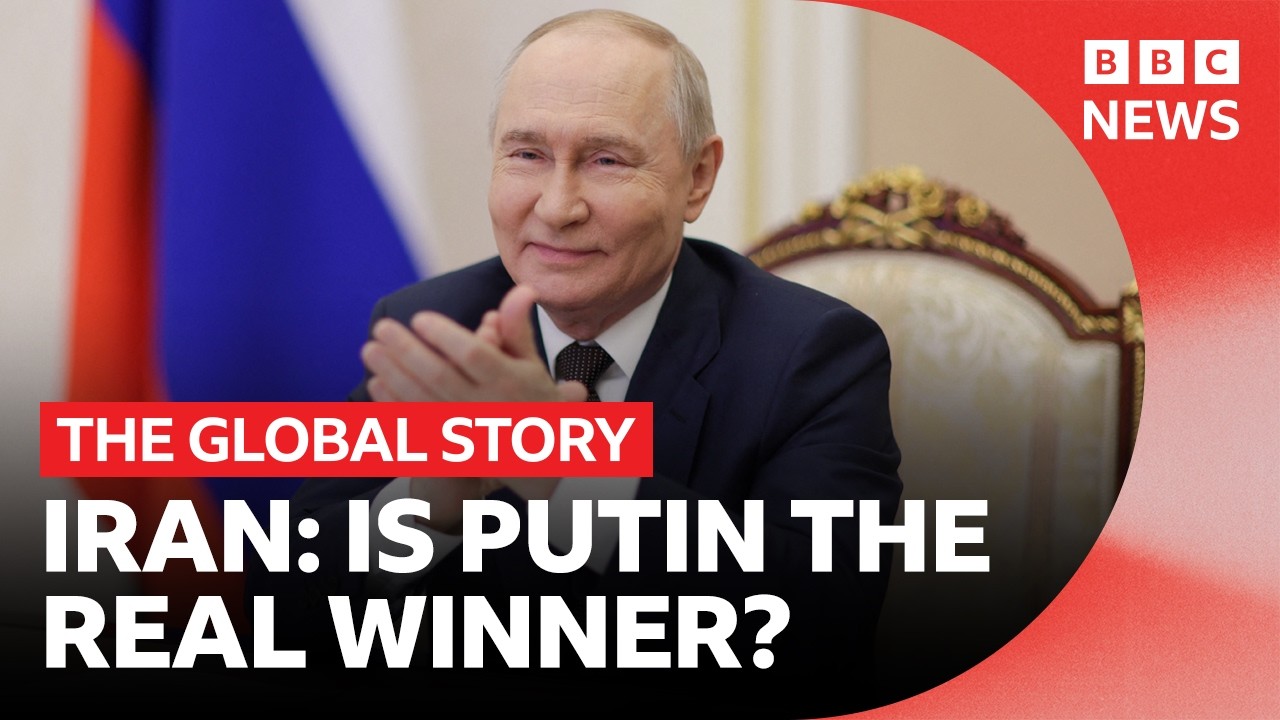
Is the War in Iran a Boon for Vladimir Putin?
The current geopolitical climate reveals a complex tapestry of conflict, where the war in Iran has opened a new chapter in international relations. As Europe grapples with rising tensions, Vladimir Putin’s actions in Ukraine have raised eyebrows. The implications are profound, not only for the immediate parties involved but also for global power dynamics.
Recently, Ukraine experienced an unprecedented wave of drone strikes, deemed by many as Russia’s largest assault since the beginning of the conflict. In a single day, nearly a thousand drone attacks occurred, highlighting a troubling escalation. Mark Galiotti, an expert on Russian affairs, underscores that this burst of aggression likely coincides with global attention shifting towards Iran, suggesting that Putin is leveraging this distraction to intensify his military efforts in Ukraine.
While the drones rain down, the ground situation in Ukraine reflects a grim stalemate. Although some successful Ukrainian counterattacks have occurred, neither side possesses the momentum required for decisive action. The recent spring thaw, which typically ushers in renewed military activity, has not yet changed the overarching dynamics of the war.
Prior to the escalation in Iran, there were whispers of potential peace negotiations. Encounters in Geneva saw high-profile American negotiators like Steve Witkoff and Jared Kushner engaging with various stakeholders, including Iran, Ukraine, and Russia. However, Galiotti notes that these talks have now stalled. The complexities of diplomacy in such a multifaceted conflict have led to significant confusion, muddying the waters where clarity was most needed.
As the battle rages in Iran, one cannot ignore the financial motivations driving Putin’s decisions. The war’s outbreak has led to rising global oil prices, with Russia reportedly gaining approximately $1.5 billion in additional revenues. While this gain is minor in the grand scheme, every bit helps bolster Russia’s war efforts. This situation creates a dual advantage: not only does Russia profit from increased prices, but the ongoing conflict also complicates Western unity, particularly between Europe and the United States.
The war has highlighted the cracks forming within the NATO alliance, especially as former President Donald Trump criticizes its effectiveness. Such discord plays directly into Putin’s hands, allowing him to exploit divisions and deepen his influence. The long-term effects of this war—should it continue—could significantly undermine Western resolve and resource allocation towards Ukraine.
Moreover, the ongoing conflict creates an opportunity for Ukraine, albeit one fraught with risks. Reports highlight Ukrainian efforts to enhance relationships with Gulf states, potentially increasing international support. For Russia, this is an unsettling development. Greater Ukrainian engagement with economically robust nations might present future challenges, further complicating the regional balance of power.
However, while the immediate benefits of higher oil prices are tangible, there are looming risks for Russia. As the war in Iran escalates, its historical ally faces potential instability. Should the Iranian government falter under pressure, the resulting chaos could spill over borders, impacting Russia directly. The Kremlin faces a paradox: it desires a weakened Iran as a more pliable ally, but total collapse would be disastrous, inviting regional turmoil.
In observing Putin’s approach in this convoluted landscape, it becomes evident that he operates as an opportunist rather than a grand strategist. He capitalizes on chaos, using it to maneuver and strike when advantageous. Nevertheless, this opportunism often erodes clarity. Though he may appear shrewd, Putin’s risk-averse tendencies reveal a leader hesitant to take decisive actions that could backfire.
Ultimately, the war in Iran presents a mixed bag for Vladimir Putin. While it has allowed him to exploit Western distractions and bolster his economic standing through oil prices, the potential for regional instability poses significant risks. The next few months will be critical in determining whether this situation becomes a boon or a burden for Russia.
As we analyze these developments, the key takeaway is that unpredictability reigns in international relations. Each conflict, each shift in attention can have far-reaching consequences. Without a doubt, the world will be watching closely, as the stakes continue to rise on the geopolitical chessboard.