Supreme Court’s Landmark Decisions on Presidential Power
In a watershed moment for presidential authority, the U.S. Supreme Court recently delivered two pivotal rulings regarding the power of the President to fire officials within federal agencies. The juxtaposition of these decisions illustrates the delicate balance between presidential power and the independence of regulatory bodies.
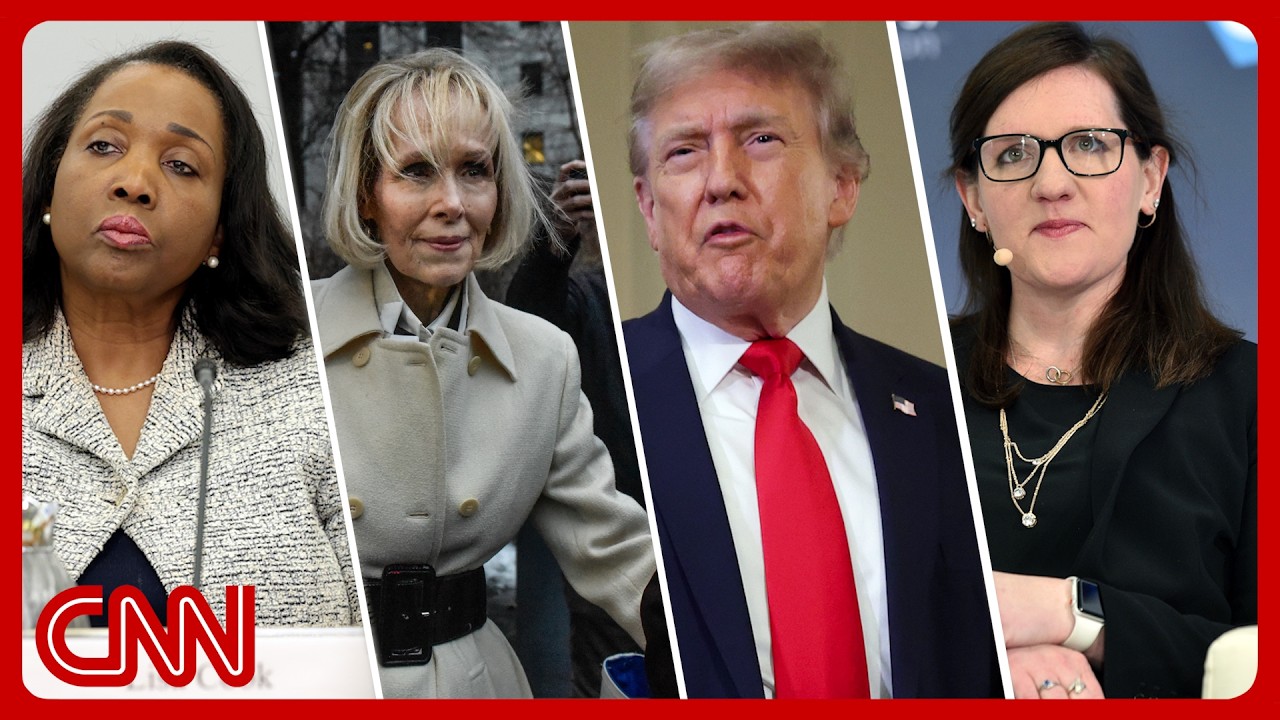
In one ruling, the Court confirmed that President Trump lacked the constitutional authority to remove Lisa Cook, a Governor of the Federal Reserve Board. This decision aligns with the long-held belief that the Federal Reserve should operate independently from the executive branch, which historically aims to insulate economic policymaking from political pressures.
Conversely, the Court upheld President Trump’s ability to terminate Rebecca Slaughter, a Democratic appointee serving on the Federal Trade Commission (FTC). This decision significantly extends the President’s reach into federal agencies that were initially designed to operate autonomously. The rulings signal a pronounced shift in the legal landscape, effectively overturning nearly 90 years of precedent concerning the independence of such regulatory bodies.
The Nature of the Decisions
These decisions carry far-reaching implications. The ruling regarding Slaughter, which was supported by Chief Justice John Roberts, Justice Brett Kavanaugh, and the three liberal justices, grants the President considerable leeway in reshaping the federal bureaucratic structure. Chief Justice Roberts articulated the need for a balance between presidential oversight and independent agency authority, although the ruling represents a departure from the traditional constraints that had previously defined this relationship.
Conversely, the case concerning Cook emphasizes the requirement for due process before removing members of the Federal Reserve. While it affirms the independence of this crucial economic body, it simultaneously indicates that there exists a framework for addressing grievances prior to dismissal. This establishes a unique standard for Federal Reserve members, further complicating the overall narrative of presidential power.
Broader Implications
The implications extend beyond just the cases at hand. John Biskupic, CNN’s Chief Supreme Court Analyst, underscored that regulatory agencies govern critical facets of American life, including healthcare, consumer protection, and antitrust laws. In the case of the FTC, the ruling opens the door for the executive branch to influence decisions that directly affect consumer practices, potentially allowing for shifts that could ease or tighten regulations based on political winds.
Justice Sonia Sotomayor, who dissented from the ruling regarding Slaughter, highlighted the potential chaos that could arise from an overly expansive interpretation of presidential power. She suggested that bestowing such authority might either enhance accountability or plunge governance into disorder, a sentiment that resonates with many legal analysts concerned about executive overreach.
Political Ramifications
Trump himself characterized the day as a "big win," though the mixed nature of the rulings leaves uncertainty about how he will navigate these newly defined boundaries. As he seeks to reshape the federal landscape, the ruling that protects Federal Reserve members introduces a layer of complexity.
Additionally, the Court rejected a Republican challenge to Mississippi’s mail-in voting laws, further complicating the electoral landscape. This decision represents a significant blow to Trump’s efforts to limit mail-in voting—an issue he has heavily advocated against in the wake of the 2020 election.
Conclusion
The recent Supreme Court rulings not only redefine the parameters of presidential power but also set the stage for future legal battles regarding the independence of federal agencies. As the executive branch is poised to exert more influence, observers must remain attentive to the potential ripple effects on governance and regulatory practices. The evolving landscape of presidential authority underscores the continuing tension between effective governance and the need for checks and balances within America’s democratic framework.