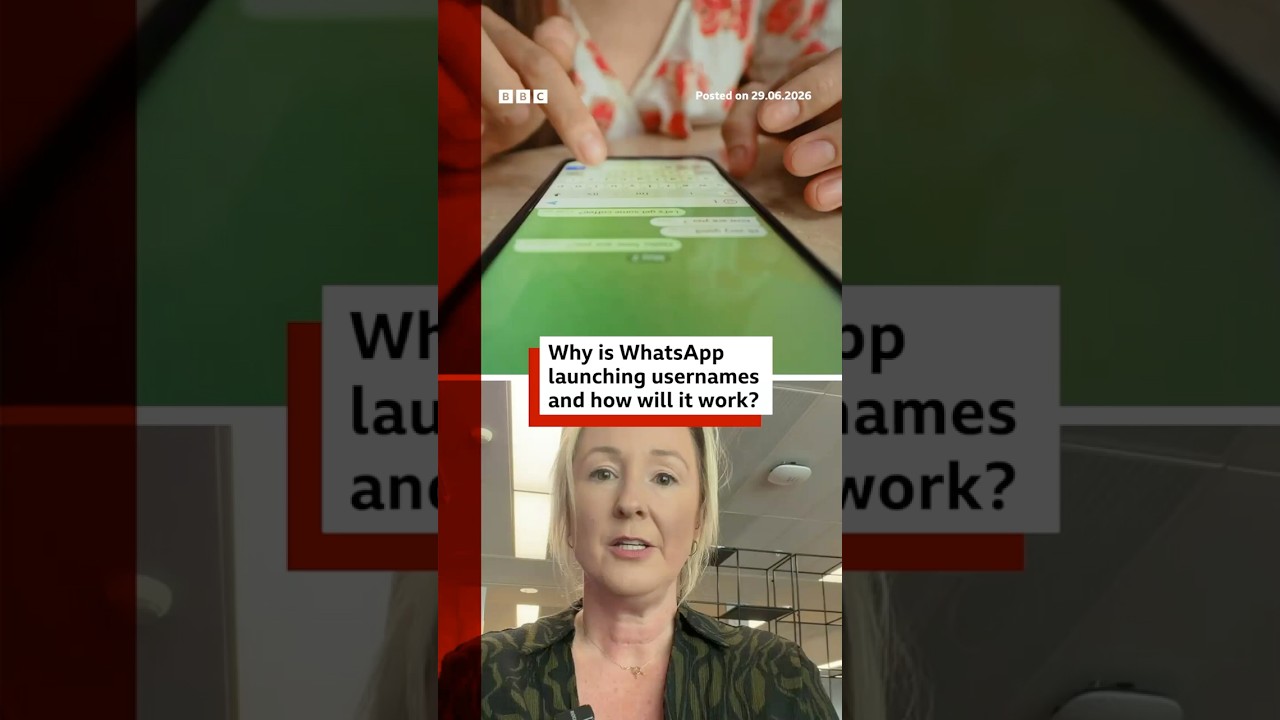
WhatsApp to Introduce Unique Usernames: A Shift Toward Privacy
WhatsApp, the popular messaging service owned by Meta, is rolling out a significant feature that will allow users to communicate anonymously without sharing their phone numbers. Instead of offering their phone numbers, users will select unique usernames when engaging in chats, particularly within group settings. This change, which is set to be fully implemented over the coming months, reflects a growing demand for privacy and safety in digital interactions.
The impetus for this development is simple but compelling—users have expressed discomfort with the existing protocol of sharing their phone numbers, especially in large or unfamiliar group chats. The concern is legitimate; many potential users shy away from joining groups for fear of unwanted contacts or breaches of privacy. By harnessing unique usernames, WhatsApp aims to address these concerns, creating an environment where users feel more secure.
Interestingly, WhatsApp is somewhat late to the game in implementing this feature. Its competitor, Signal, introduced a similar system in 2024, which underscores a shifting paradigm in the messaging landscape. This evolution highlights an increasing emphasis on user autonomy and privacy. Critics, however, point out that while WhatsApp is presenting this as a significant privacy enhancement, Meta’s track record on user data is less than stellar. Concerns about data privacy linger, and as users navigate these changes, the tension between increased functionality and personal privacy will undoubtedly be a topic of debate.
When it comes to selecting usernames, users will have a fair degree of freedom. The usernames can be up to 35 characters long, which provides ample opportunity for personal expression. However, high-profile individuals and celebrities will have their usernames reserved, ensuring that impersonation is minimized. This could deter playful attempts to adopt the identities of famous figures, such as Donald Trump, thus maintaining a level of order within the platform.
One notable aspect of this forthcoming feature is that while it may enhance privacy, it does not eliminate the necessity of a phone number for account creation. Users will still need a phone number to initially register and create their WhatsApp accounts. However, once set up, the prominence of phone numbers will diminish significantly, paving the way for a more anonymous experience.
As this change rolls out to WhatsApp’s vast user base—reportedly around three billion worldwide—it presents both opportunities and challenges. The absence of a public username directory means that users must know someone’s username to initiate contact. While this fosters privacy, it could also complicate networking for new users or those wishing to join diverse chat groups.
Overall, the introduction of unique usernames is a notable step for WhatsApp. The move aligns with broader trends in digital communication that emphasize user agency and data privacy. While WhatsApp’s affiliation with Meta invites skepticism, the service appears to be responsive to the needs of its user base.
As digital communication continues to evolve, features like username-based messaging may become the norm rather than the exception. It signals a desire among users for greater control over their personal information while facilitating more secure and satisfying interactions. In a world increasingly concerned with privacy, WhatsApp’s decision might very well shape the future of how we communicate.
In conclusion, the adaptation to unique usernames represents more than just a functional upgrade for WhatsApp; it’s a reflection of societal shifts in how we perceive privacy and personal information in digital spaces. The ramifications of this feature will unfold in the coming months, as users navigate this new landscape, balancing the benefits of increased privacy with the ongoing necessity for contact and connection. As we await its full rollout, one thing is clear: the way we communicate is changing, and WhatsApp is poised to lead the charge into this new era.