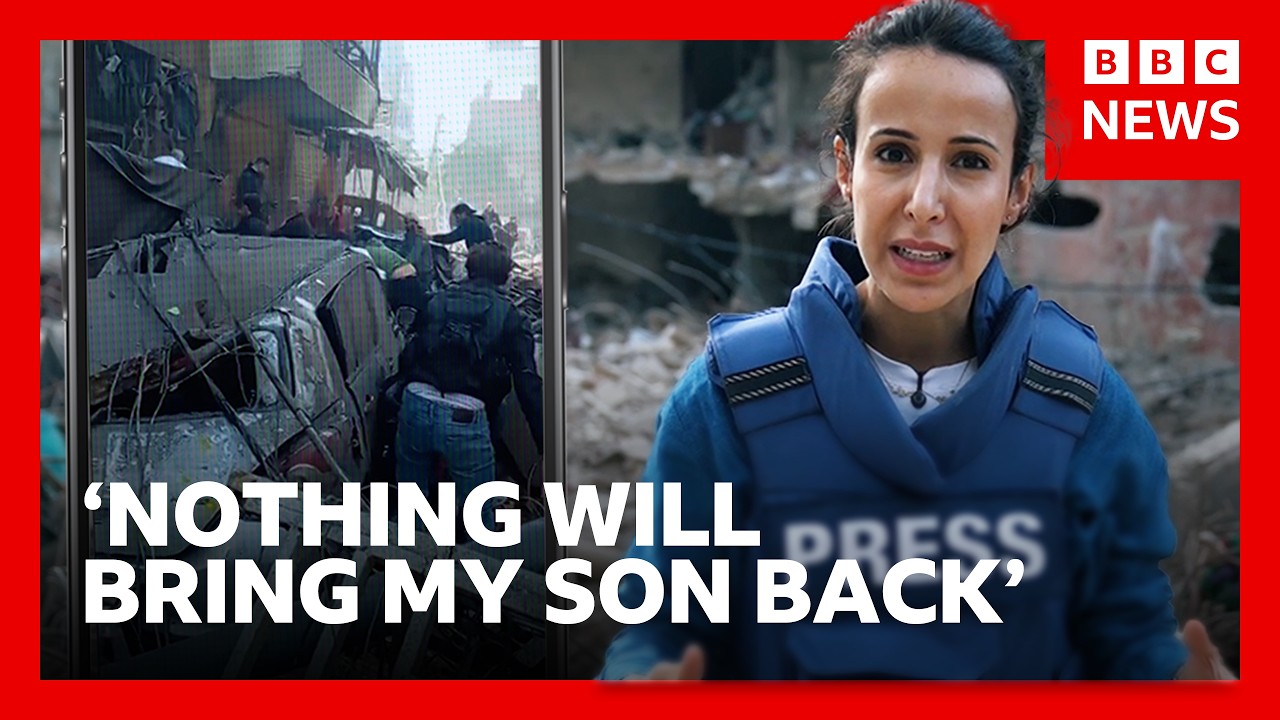
The Chaos Following the April 8 Attack in Lebanon
On the afternoon of April 8, 2023, at precisely 2:15 PM, the fabric of daily life in Lebanon unraveled in mere minutes. An airstrike, marked by a relentless barrage of approximately 100 bombs in just ten minutes, transformed the bustling neighborhoods of southern Lebanon into scenes of devastation. The significant civilian casualties—reported by the Lebanese health ministry to be 361 lives lost—underscore the stark reality of a region perpetually ensnared in conflict.
As news of the attack spread, echoes of devastation reverberated throughout local media. Accounts from residents indicated that multiple buildings collapsed with terrifying speed. Eyewitnesses recalled the moments leading up to the strikes, filled with the normalcy of a busy training restaurant and a supermarket brimming with patrons. The jarring contrast of life abruptly interrupted has left an indelible mark on the collective psyche of those who survived.
Amid this chaos, individuals caught in the crossfire exhibited a raw vulnerability as they navigated a landscape now rife with peril. The operator of an electrical business warned others to be cautious of fallen wires, remnants of a disrupted infrastructure that posed serious risks. The urgency in his voice reflected a community under siege, where even the simplest tasks became fraught with danger.
Residents grappled with the aftermath while expressing profound grief and disbelief. One man lamented, "I would not have stayed here if I had known anyone was in the building," emphasizing the senseless nature of the violence that had befallen his home. Family members were lost in a matter of seconds, and a collective questioning resonated throughout the alleys: “Why can’t we live in peace like the rest of the world?”
The geographical proximity of buildings contributed to the magnitude of the tragedy. Surrounded by narrow lanes, emergency services struggled to reach victims trapped beneath rubble. Witnesses reported hearing cries for help, a haunting sound that signified lives hanging in the balance. This delay in rescue operations was not merely a mechanical failure; it was a compounded tragedy in a region where access to basic emergency services can be perilous in the best of times.
As the dust settled, communities began to assess the real impact of the strikes. Grief was palpable; each home, though still standing, bore witness to the unyielding grasp of despair. Families were torn apart, with the loss of loved ones casting a long shadow over survivors. A haunting dialogue between residents showcased their pain: “What remains of home when those who filled it with laughter are gone?”
The strategic complexities of the Israeli strikes and the broader geopolitical tensions between the U.S., Israel, and Iran serve as an unforgiving backdrop to the tragedy. Residents in southern Lebanon experience the wider machinations of power, often feeling like pawns in a larger game of international relations. Their hopes for an end to hostilities are met with stark reminders that such aspirations often fall on deaf ears.
This was not just an attack on buildings but an assault on life itself, on the rhythms of daily existence in Lebanon, a country rich in history and resilience. As survivors emerged from the wreckage, they carried with them more than rubble; they bore stories of thwarted dreams, unfulfilled aspirations, and enduring hope for a more peaceful future.
In the wake of the April 8 strike, the community’s path to recovery will be long and fraught with challenges. However, the collective spirit of resilience shines through the darkness. Amidst the ruins, the people of Lebanon continue to cling to the notion that they deserve a life free from violence—a hope that will not easily be extinguished.