Navigating the Strait of Hormuz: A Complex Geopolitical Landscape
The Strait of Hormuz stands as a vital conduit for global trade and energy shipping, acting as a lifeline for oil and goods between producers and consumers around the world. Recent tensions in this region underscore the intricate geopolitical dynamics at play, particularly between the United States and Iran. With approximately 20% of the world’s oil passing through this narrow waterway, any disruption can reverberate across the globe, impacting economies and consumers alike.
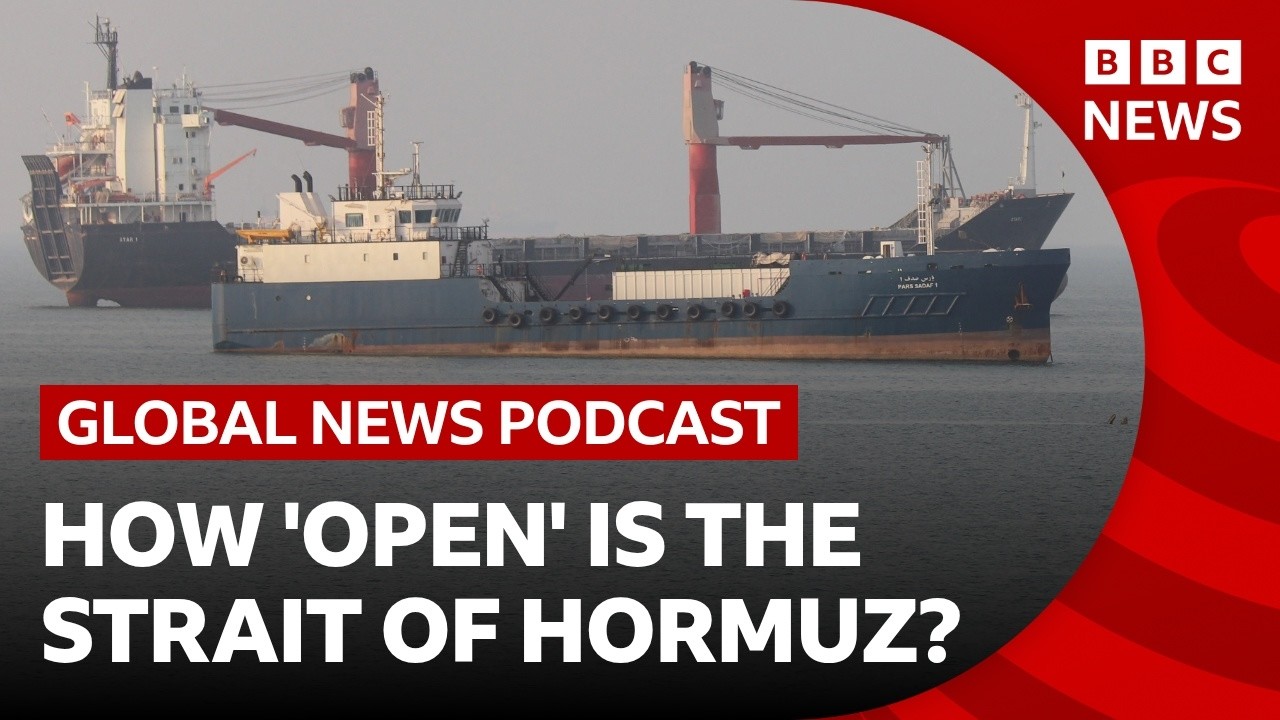
Over the weekend, this tension escalated with direct exchanges of strikes between U.S. and Iranian forces. The catalyst for this latest round of aggression was Iran’s attack on a cargo ship, which it claimed was navigating an improper route within the strategic strait. In a region where shipping lanes are closely monitored and debated, the implications of such actions carry weighty consequences.
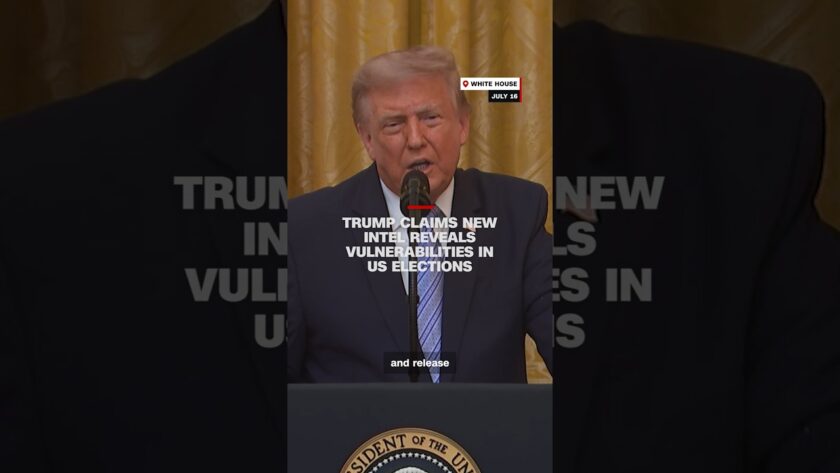
The U.S. has been vocal about its priority to reopen the Strait fully, a stance that was especially emphasized during President Trump’s tenure. His administration recognized that the ongoing closures and disruptions had been detrimental to the global economy, leading to increases in energy prices, inflation, and interest rates. In stark contrast, Iran seeks to assert control over the shipping routes, aiming to dictate terms based on a memorandum of understanding that they assert delineates specific navigational paths.
Currently, the traffic through the Strait of Hormuz remains significantly below pre-conflict levels. In times of relative peace, roughly 130 ships would glide through daily, but recent reports indicate that only around 200 have passed in total since new agreements were introduced two weeks ago. The ships that remain stranded bear testament to the ongoing disruptions, with crews trapped for months in a high-stakes game of maritime chess.
These developments also spotlight Iran’s newfound awareness of its leveraging power. The conflict has exposed the consequences of its blockades, awakening Tehran to the potential influence it wields over maritime routes. The recent strikes on vessels navigating contested areas illustrate Iran’s willingness to exert this control. The ongoing negotiations are complicated by the pressing need for the Strait to reopen, a precondition that all parties recognize as essential.
However, the feasibility of achieving a permanent ceasefire appears contingent upon resolving issues surrounding the Strait. The broader Iranian nuclear program, the support for proxy groups like Hezbollah, and ballistic missile capabilities remain unresolved, creating an environment fraught with uncertainty. The American administration has little appetite for a full-scale war, especially as midterm elections loom, casting a shadow over Republican support amid public discontent regarding military engagements.
Adding to the complexity, Israel’s involvement in the region cannot be overlooked. The ongoing tensions between Israeli forces and Hezbollah in Lebanon exacerbate an already volatile situation. Iran insists that Lebanon be part of any comprehensive agreement with the United States. Meanwhile, Israel has indicated its unwillingness to withdraw from southern Lebanon, further complicating talks and creating a potential flashpoint that could derail peace efforts.
Negotiation prospects remain ambiguous. President Trump recently announced that talks would resume, bringing hopes of progress. Yet, skepticism lingers, especially in light of previous failed negotiations. The core issues that prompted initial hostilities—primarily Iran’s nuclear ambitions—remain unaddressed. The clock is ticking, with only 60 days to produce meaningful results.
As the situation evolves, all eyes will remain on the Strait of Hormuz and the surrounding geopolitical landscape. The stakes are high, not just for the nations directly involved, but for the global community that relies on the free flow of trade and energy. The path forward is fraught with challenges, but the importance of diplomatic engagement is clearer than ever. The world watches, and the decisions made in the coming days and weeks could very well determine the future of stability in a region that has long been a crucible of conflict and negotiation.