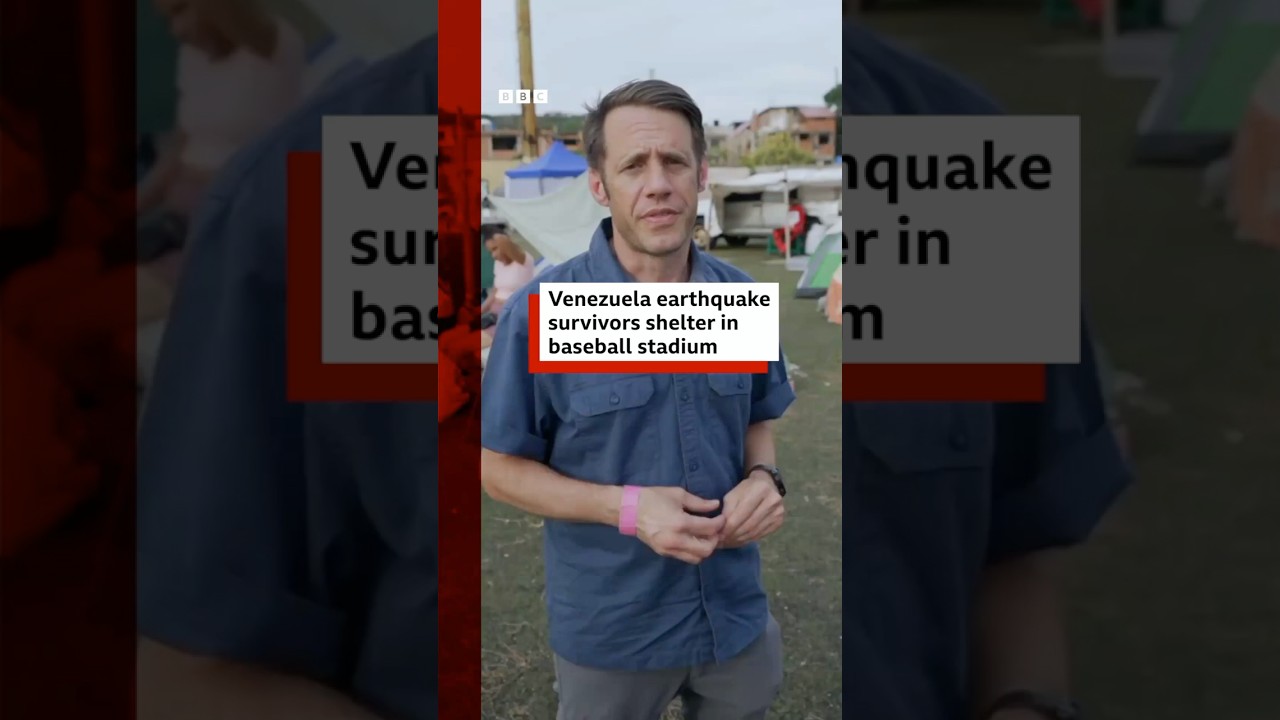
Catia La Mar: A Community in Crisis
The devastation along Venezuela’s northern coast has spiraled into an overwhelming humanitarian crisis, leaving tens of thousands, possibly hundreds of thousands, displaced. The small town of Catia La Mar stands as a poignant testament to this turmoil. In the aftermath of a catastrophic earthquake, the local baseball stadium has transformed into a refuge for the desperate families who once called the hillsides home.
In this makeshift shelter, the outdoors offer some respite from potential aftershocks. Yet, the families huddled in the stadium face relentless exposure to the elements. Their living conditions are grim. Many have resorted to constructing makeshift shelters with cheap nylon tents, blankets, sheets, and fragments of wood. The community’s resourcefulness reflects a deep resilience but underscores the severity of their plight. Basic necessities, such as food and clothing, now come from charitable donations. The reliance on external aid paints a stark picture of survival in the face of adversity.
In speaking with residents, the stories of loss and despair unveil a grim reality. Some families once enjoyed the stability of social housing on the hillside, structures that have now crumbled to the ground. The devastation was compounded by gas explosions that ignited fires following the earthquake. Those memories haunt the survivors, tangible reminders of a life once filled with hope now replaced by uncertainty.
One resident shared a deeply unsettling perspective. He believes that it may take three to four years before the community can return to any semblance of normalcy. His words echo a devastating truth: the residents of Catia La Mar are left to navigate an unsettling limbo. Will authorities respond quickly enough to provide temporary housing? This lingering question looms over their heads, amplifying their anxiety about the future.
The tragedy extends beyond individual stories; it reflects a broader systemic failure. This earthquake is symptomatic of earlier neglect and a history of infrastructural inadequacies. The residents are caught in a cycle of dependency, struggling to rebuild their lives in an environment that seems to have abandoned them.
Compounding the physical challenges are psychological scars. The shared trauma manifests in the faces of families gathered in the stadium. Children, once the embodiment of innocence, now display confusion and fear. Adults attempt to maintain a sense of normalcy, but the weight of their circumstances hangs heavily in the air.
Yet, amid despair, there is flickering hope. Stories emerge of neighbors banding together, offering each other support. They share resources, information, and reassurance. Community bonds, though frayed, are not entirely severed.
Aid organizations are beginning to respond, but their efforts are hampered by the scale of destruction. Immediate needs for clean water, sanitation, and medical assistance are urgent. The reality is stark: without coordinated aid, the resilience of this community may falter under the pressure of prolonged displacement.
As international observers turn their gaze towards Venezuela’s plight, the urgency for support grows. Public figures and humanitarian organizations must advocate for immediate action. While rebuilding will take time—immediate interventions are crucial to sustain the lives of those affected.
Catia La Mar stands at a crossroads. The journey to recovery will be fraught with challenges, but the community’s resilience is undeniable. As they cling to hope, the world must rally to support their efforts in rebuilding their homes and lives. What they need now more than ever is not just temporary relief but a commitment to a sustainable and comprehensive recovery strategy.
In this trying time, the eyes of the international community must remain fixed on Venezuela. The story of Catia La Mar is not just a tale of resilience in despair; it is a call to action for all of us.