The Intensifying Heat Wave: An Examination of Current Conditions in the US and Europe
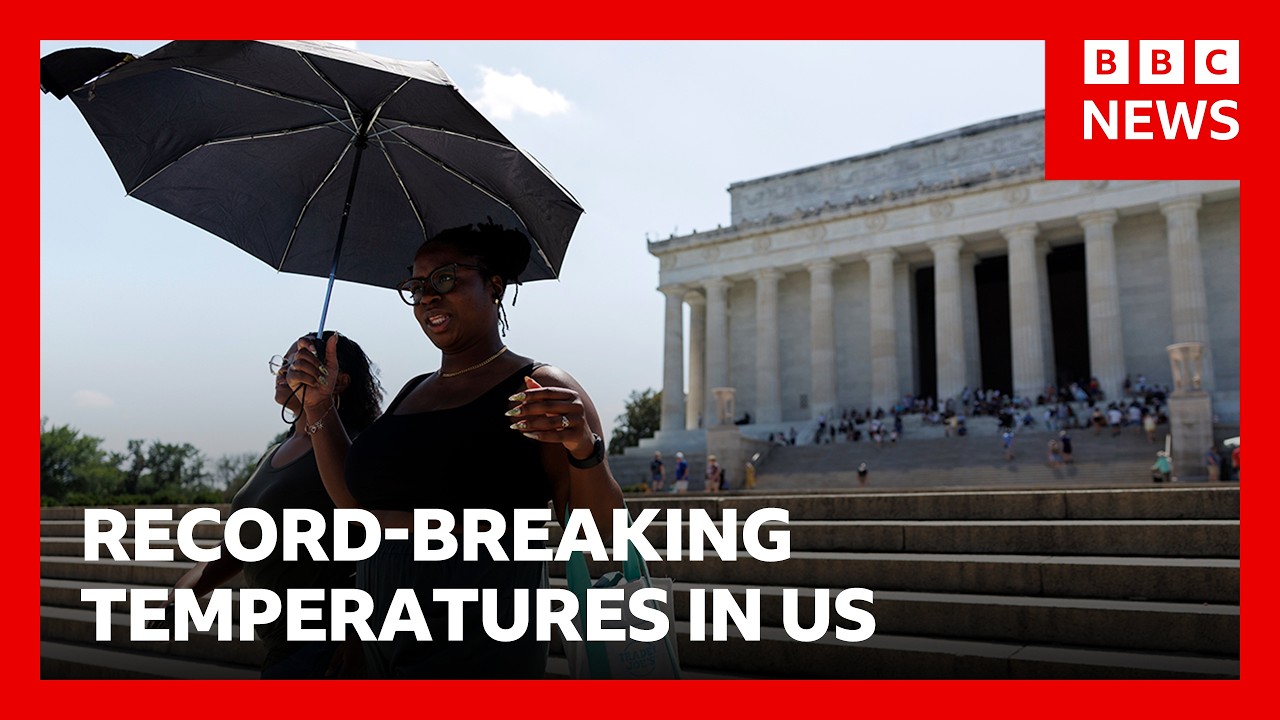
As the Fourth of July weekend approaches, a significant heat wave is sweeping across the United States, bringing with it dangerously high temperatures and high humidity that threaten the celebrations. New York City has declared a heat emergency that is set to last through the holiday, with temperatures expected to climb into the high 90s and even reach triple digits. This year’s Independence Day holds particular significance, marking 250 years since the Declaration of Independence, making the heatwave even more concerning for the public and event organizers alike.
Residents in New York have expressed their frustrations. One individual remarked on stepping into a car that felt as though it was burning from the inside. The excessive humidity adds to the discomfort, even for locals from warmer states like Arkansas, who find themselves struggling against the oppressive heat. Indeed, temperatures on July 4th are expected to soar to about 107°F—an intense spike that will affect countless outdoor activities, including fireworks displays and parades.
The gravity of the situation was underscored by comments from city officials and public figures. New York’s mayor suggested residents stay indoors to cope with the heat. This advice extends to those planning to celebrate weddings and other significant events in venues like Madison Square Garden, where staying cool is paramount.
But the heat wave isn’t confined to the United States. Europe, too, is experiencing alarming temperature increases, raising concerns about public safety and infrastructure. Countries like France are battling wildfires as temperatures soar, with the risk of such conditions leading to devastating consequences, including loss of life. Just last month, France reported over 2,000 excess deaths attributed to extreme heat. Spain and Portugal are bracing for a similar fate, with temperatures expected to exceed 104°F, compounding the risks of fire and public health crises.
Meteorologically, this phenomenon can be attributed to what experts refer to as a "heat dome," a high-pressure system that traps warm air, raising temperatures significantly. Helen from BBC Weather noted that parts of the eastern US have not seen such extremes in temperature for over a decade, which makes the situation particularly alarming. Nighttime temperatures are not dropping significantly—hovering around 80°F—which adds to the thermal burden many are facing.
The repercussions of the heat extend beyond public safety. Major events, including World Cup matches, are at risk. With temperatures expected to climb to 101°F during the tournament, questions have arisen about the viability of hosting such events in the summer heat. Players and officials alike are raising concerns over whether the conditions are suitable for competition. The implementation of hydration breaks speaks to the seriousness of the situation and further complicates the schedule of a tournament already fraught with logistical challenges.
In addition, the Fourth of July celebrations across the US are responding to the severe weather conditions with adjustments. Some festivities are scaling back, including the hours of events in cities like Philadelphia. Water stations are being deployed, and emergency personnel are on alert to assist those suffering from heat-related illnesses.
As we look to understand the broader implications of these heat waves, environmental experts highlight the alarming effect of climate change. Greenhouse gas emissions have raised baseline global temperatures, intensifying the impact of heat waves when they occur. The recent surge in extreme weather events serves as a wake-up call, reminding us that the climate crisis is not a distant threat but a pressing challenge we face today.
In summary, the ongoing heat wave significantly affects both the United States and Europe, compounding the heat’s implications for public health, infrastructure, and planned events. As we celebrate historic milestones, the plight of those facing oppressive heat underscores the need for proactive measures and a deeper understanding of the interconnectedness between climate and human well-being.