Accountability for Damage to National Treasures: A Case Analysis
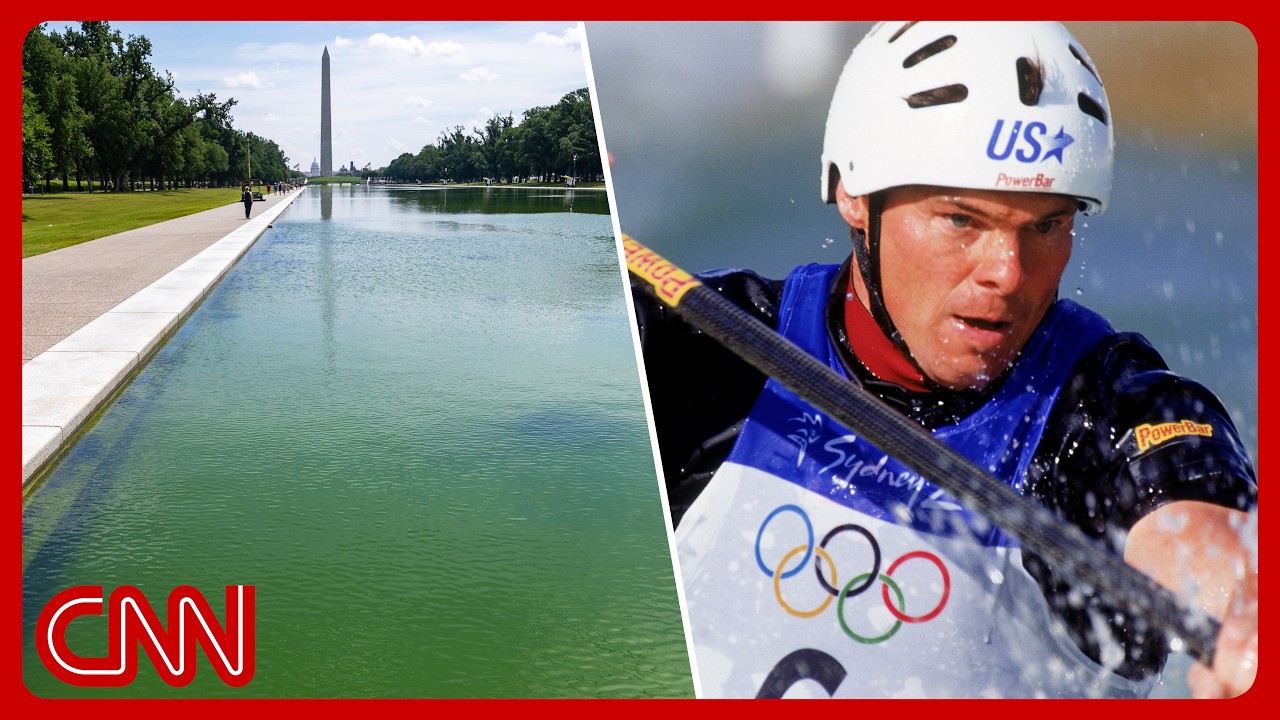
In a significant move towards enforcing accountability for acts of vandalism, a grand jury has indicted David Hearn on felony charges related to damage inflicted on the reflecting pool between the Washington Monument and the Lincoln Memorial. This national resource symbolizes the beauty and history of Washington, D.C., and recent renovations have demanded significant funding and attention. The indictment serves as a reminder that, irrespective of one’s motivations or justifications, damaging such a site will not be tolerated.
Hearn faces a potential ten-year prison sentence for an incident that occurred on June 19, 2026. Evidence alleges that he willfully removed a two-square-foot piece of recently installed sealant from the reflecting pool’s bottom. Accounts from National Park Service employees suggest that Hearn’s actions were not only deliberate but marked by a disregard for the property and its significance. Witnesses describe him as belligerent and rude, a characterization that, while revealing, raises questions about the boundaries of the law concerning behavior and intent.
A parks employee witnessing the event reportedly urged Hearn to cease his actions, to which he responded with hostility, questioning the employee’s concern over the pool even stating, "Why do you even care since it wasn’t your pool?" This interaction encapsulates the broader issue of respect—or lack thereof—towards public spaces and the individuals who uphold their integrity.
The prosecution intends to present evidence that Hearn not only damaged property but did so in a manner so conspicuous that it necessitated legal intervention. Prosecutors maintain that witnesses are crucial to establishing a timeline and the details of the incident, asserting their capability to prove the case beyond a reasonable doubt. Witness testimony will play a critical role, especially in addressing questions about whether the sealant was previously damaged before Hearn’s actions.
One essential aspect of this case is the estimated cost of damage, exceeding $1,000. This figure, while seemingly small in the context of the overall maintenance and restoration of national treasures, underscores the principle that even minor vandalism has consequences. It reflects an unwavering commitment to safeguarding public property and holding perpetrators accountable for their actions. The prosecution appears poised to build a robust case, potentially including forensic evidence and photographic documentation from the incident, laying a foundation for their claims.
The indictment has sparked varied opinions regarding the handling of Hearn’s case. Critics point out that while rudeness and disrespect—significant elements of Hearn’s behavior—are not criminal offenses, the larger context of damaging a national monument justifies serious repercussions. The reaction from the public and media has highlighted the balancing act of maintaining public order while encouraging respect for national symbols.
The decision to pursue felony charges is particularly notable in a landscape where judicial discretion often influences outcomes. Press questions during the announcement sought to understand whether the charges were escalated at the direction of higher authorities. The prosecutor clarified that the severity of the charges was dictated strictly by the evidence presented, asserting independence from external pressures.
As the case progresses, it will serve as a lens through which broader conversations about civic responsibility, respect for national heritage, and legal accountability can unfold. The prosecution’s insistence on holding Hearn accountable sets a precedent for future cases involving similar acts of vandalism, potentially sending a clearer message about the importance of maintaining public property.
Ultimately, the outcome of this case will likely resonate far beyond the reflecting pool itself. It emphasizes the necessity of protecting national treasures and the values they represent, reinforcing the notion that accountability is crucial in safeguarding the integrity of public spaces for generations to come. The nation watches as this case unfolds, eager to see how the legal system navigates the complex interplay of public sentiment, legal merit, and civic duty.