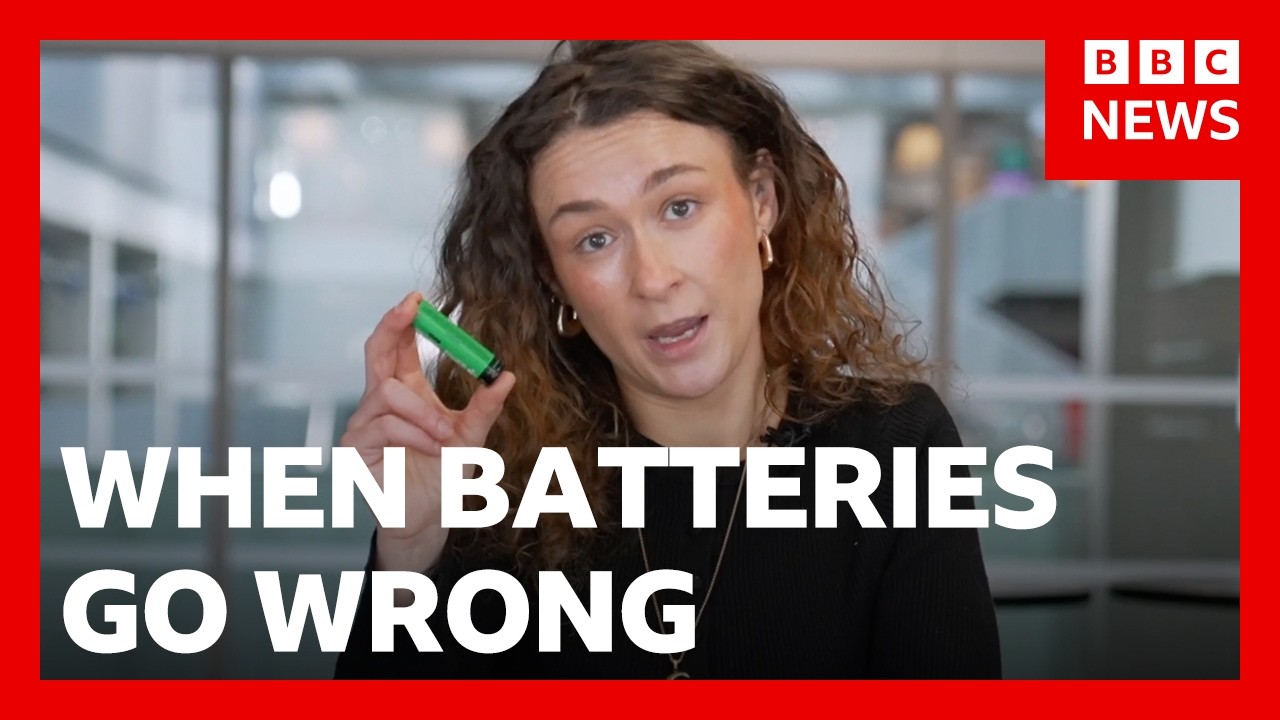
The Ubiquity and Risks of Lithium-Ion Batteries
Lithium-ion batteries have become indispensable in our modern world, quietly powering an array of electronic devices. From smartphones and laptops to electric vehicles (EVs) and medical equipment, these batteries are embedded in the fabric of everyday life. Their ability to store significant amounts of energy in compact packages is a feat of engineering that has made them the technology of choice since their commercial introduction in the 1990s. However, alongside the convenience they provide, lithium-ion batteries pose inherent risks that warrant careful management and adherence to safety protocols.
At first glance, a lithium-ion battery seems harmless. You may find several within your pockets or scattered around your home. Their popularity stems not only from their small size but also from their high energy density, which allows devices to run longer without constant recharging. Even niche products, like LED face masks and hair styling tools, utilize these batteries. Major advancements in battery technology, recognized by the Nobel Prize in Chemistry awarded in 2019, underscore their importance in contemporary life.
Yet, with great power comes great responsibility. As many users remain oblivious to the risks associated with these batteries, it is crucial to understand the factors that can lead to dangerous incidents. Batteries, when improperly charged or damaged, can enter a dangerous state known as thermal runaway. This condition occurs when the battery’s temperature exceeds safe limits, leading to a rapid chain reaction that produces excessive heat. This phenomenon can manifest in various situations—from overcharging and using incompatible chargers to impact damage or exposure to water.
Ashley Cranston, a watch commander with the Scottish Fire and Rescue Service, emphasizes the unique dangers posed by lithium-ion battery fires. Unlike traditional fires, lithium-ion battery fires can self-generate both heat and oxygen, which allows them to burn rapidly and uncontrollably. In contrast, conventional fires require an external source of oxygen and heat. This fundamental difference in behavior explains why lithium-ion fires can escalate quickly, complicating firefighting efforts.
To mitigate these risks, users should exercise vigilance when handling and charging lithium-ion batteries. Common warning signs of potential failure include swelling or unusual noises. In such cases, the best course of action is to cease use immediately and recycle the battery appropriately. Following the manufacturer’s guidelines is paramount; using the charger provided and adhering to recommended charging practices can significantly reduce the likelihood of accidents.
Safety also extends to the environment in which batteries are charged. Cranston advises against charging devices overnight, as this can lead to overheating. Instead, users should monitor the charging process and ensure that devices are placed on stable, non-flammable surfaces. It’s crucial to unplug devices immediately once they are fully charged, as this minimizes the risk of overcharging, a common precursor to battery failures.
While careful practices can greatly reduce the risk of fire, it is equally important to be prepared for emergencies. Ensuring that smoke and heat alarms are operational within the home can provide critical early warnings in case of a fire event. In the event of a fire, the safest route is to exit the building and contact emergency services rather than attempting to tackle the fire personally.
Lithium-ion batteries have transformed the way we live, providing unparalleled convenience across various applications. However, understanding the potential hazards associated with them is essential for every user. By implementing safety measures and remaining vigilant, we can enjoy the benefits of this remarkable technology while minimizing the inherent risks. In a world increasingly dependent on lithium-ion batteries, educated and responsible usage has never been more important.