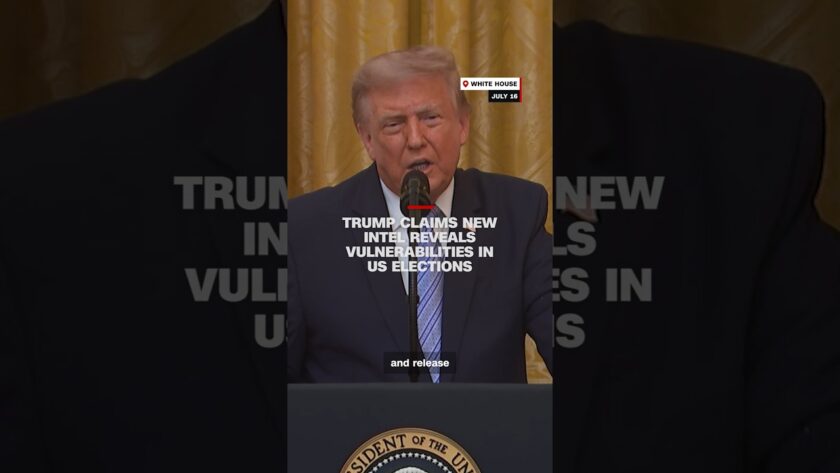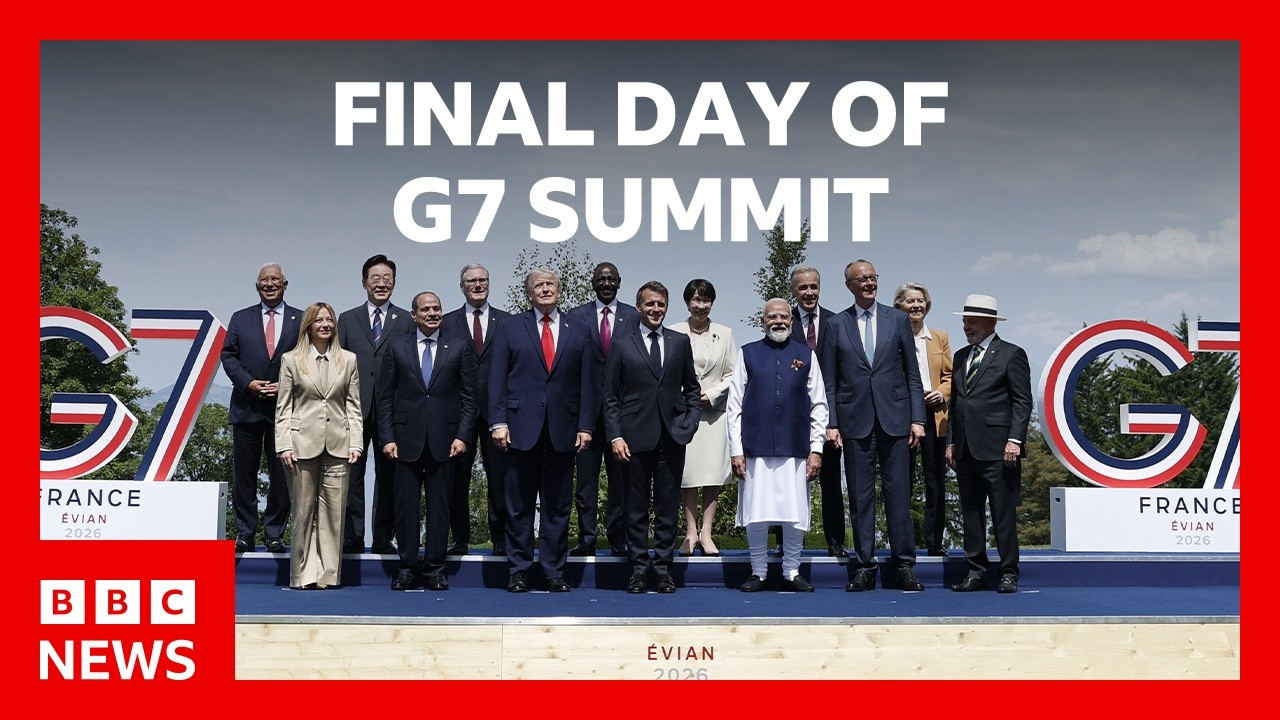
In recent discussions surrounding international diplomacy, President Donald Trump has engaged with leaders, including President Abdel Fattah al-Sisi of Egypt and Prime Minister Narendra Modi of India. Central to these conversations is a memorandum of understanding concerning Iran, a topic that has generated significant speculation and debate.
Upon his arrival at the summit, President Trump stated that an agreement was effectively complete, leaving many anticipating further details during the upcoming signing ceremony. However, today’s remarks reflect a shift in his stance. Trump emphasized that nothing is finalized until a formal treaty is signed, suggesting potential ambiguity in diplomatic negotiations.
Compounding this uncertainty is Trump’s dismissal of a figure that has circulated in Arab media concerning potential Iranian reconstruction aid. Reports suggesting $300 billion in funding for Iran, contingent upon compliance with nuclear demands, were promptly labeled as “fake news” by the President. Trump unequivocally stated that the United States would not contribute any funds toward Iran’s reconstruction.
In outlining his position, Trump asserted, “They want to make a deal. They are so ready to make a deal,” suggesting optimism about diplomatic outcomes. However, some critics challenge this rosy depiction. They argue that key figures in the Iranian regime remain unchanged, including the nation’s speaker and foreign minister, who have been in power since the onset of recent conflicts. Furthermore, the persistent human rights abuses, such as the recent execution of dissidents, paint a different picture of Iran’s internal landscape, countering the narrative that the Iranian populace is on the brink of liberation.
The pivotal Strait of Hormuz continues to be a focal point of military strategy and shipping logistics. Just yesterday, 14 ships traversed this vital passageway, a number significantly lower than the pre-war traffic of approximately 130 vessels. French President Emmanuel Macron has voiced support for a coalition involving the UK, which would be prepared to assist in ensuring shipping security following the expected formalization of the agreement with Iran.
As discussions unfold, experts are speculating on the implications for U.S. military presence in the region. Retired Marine Corps Reserve officer Mark Cancian, now a senior advisor with the Center for Strategic and International Studies (CSIS), shared insights on the evolving dynamics. Cancian pointed out that while European leaders are advocating for representation in negotiations, Trump has historically favored unilateral dialogues. Nonetheless, the necessity for meaningful alliances has become clear, especially in complex international theaters like Ukraine and the Middle East.
The challenge lies in balancing national interests with those of allies. Trump’s willingness to accept European support for patrolling the Strait of Hormuz was evident, yet he maintained a robust stance that the U.S. is capable of managing its military responsibilities alone. Experts contest this view, highlighting limitations within U.S. capabilities, particularly in mine-sweeping operations, where European forces excel.
Future deployments and troop rotations remain uncertain. Trump’s commitment to keeping U.S. troops in the region underscores a cautious approach to military engagement, driven by the necessity of ensuring ongoing operations until a durable agreement is reached regarding Iran.
Finally, the memorandum regarding Iran diverges significantly from the more extensive Joint Comprehensive Plan of Action (JCPOA), as it consists of a brief draft rather than intricate agreements extending over 160 pages. There is ongoing debate within Washington about whether this new document requires congressional ratification. Historical context indicates that the JCPOA did not undergo this process, but the potential for long-term stability may hinge on legislative approval and international recognition.
In summary, the discussions surrounding Iran are complex, rife with challenges, and necessitate a careful blend of military readiness and diplomatic agility. As leaders navigate these murky waters, the prospect of an effective treaty remains tenuous yet promising. The convergence of military presence, international alliances, and domestic approval will play crucial roles in determining the course of U.S.-Iran relations in the coming months.