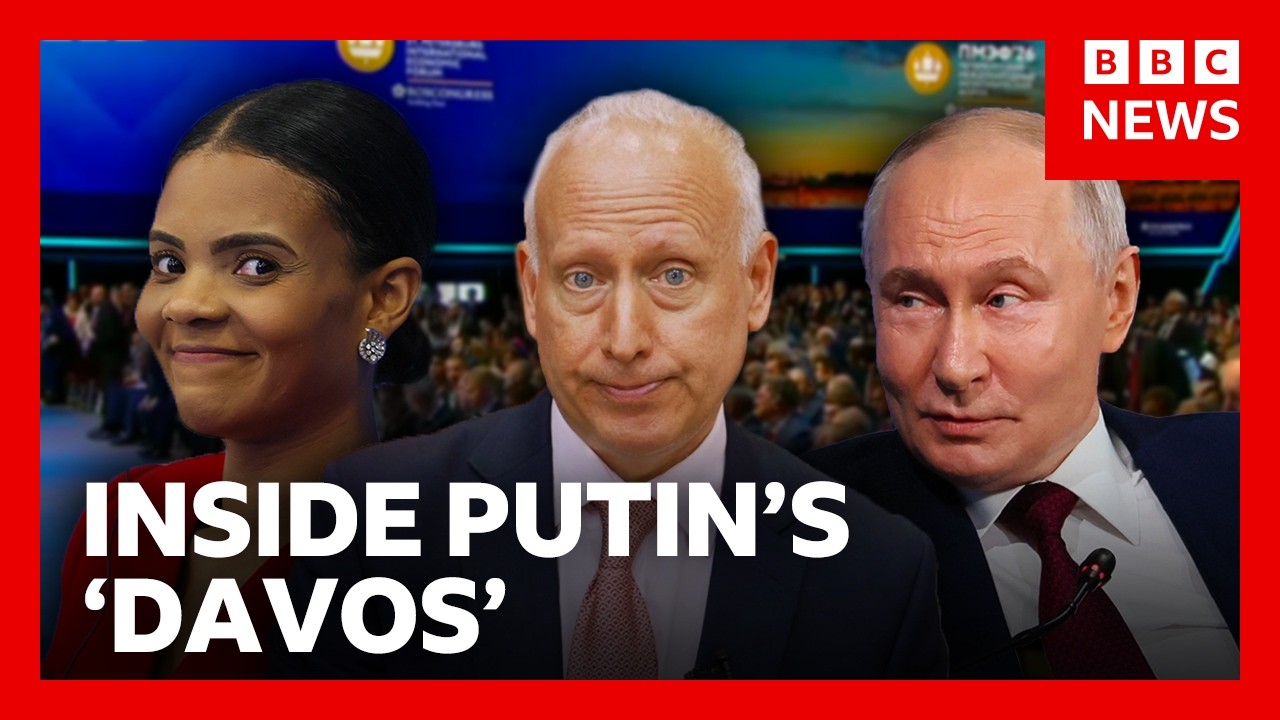
The St. Petersburg International Economic Forum (SPEF), often referred to as Russia’s version of Davos, serves as a barometer for the nation’s economic climate and its standing on the global stage. This year, however, the forum unfolded against the backdrop of an ongoing war with Ukraine and a series of Ukrainian drone strikes, which dramatically underscored the country’s fragile geopolitical reality. The juxtap of the shiny veneer of the forum with the harsh realities facing the Russian economy evokes a surreal, Alice-in-Wonderland-like ambiance, where perceived paradise clashes with the grim truth.
In stark contrast to previous years, this gathering witnesses the absence of many Western business leaders, who have largely shunned the event since Russia’s full-scale invasion of Ukraine. Instead, the forum attracts over 130 delegations from various countries, among them some marginal American guests, including figures from the right-wing establishment. The Russian government views this continued participation as evidence of economic resilience, despite pervasive sanctions and military strife. Russian officials maintain that the economy has proven strong enough to withstand various pressures — pressures that numerous analysts believed would lead to catastrophe.
Despite high-interest rates, which officials acknowledge are a barrier to investment, the narrative of resilience pervades discussions at SPEF. This notion persists even as the realities of labor shortages, fuel scarcity, and decreasing investments loom large. Many Russian officials assert that, contrary to forecasts of inevitable collapse, the economy has shown remarkable adaptability over the past five years. However, the validity of this claim is hotly debated.
Conversations around the forum are laden with both hope and skepticism. The economic discussions frequently intertwine with the geopolitical landscape, illustrating how deeply interwoven the two have become. Even within these business discussions, the specter of the conflict looms, coloring perceptions and limiting interactions with Western participants. For instance, journalists from organizations like the BBC face obstacles in obtaining interviews with American delegations, leaving behind silenced narratives that could otherwise bridge understanding.
In a peculiar move, the forum traditionally features a meeting between President Vladimir Putin and major international media figures. Those present reported that Putin characterized the drone campaign as a challenge, suggesting that increased defense spending would enhance protection against such attacks. His comments further asserted that the conflict was progressing in Russia’s favor. While such statements reflect a sense of bravado, they also highlight the degree to which the Kremlin is trying to maintain a stable narrative amid growing uncertainties.
Exploring viewpoints beyond the confines of the forum, a visit to a family farm outside St. Petersburg reveals a more nuanced understanding of public sentiment. People express a range of opinions, some reflecting strong nationalism and others critiquing the government’s actions. This broader perspective emphasizes that dissent and support co-exist within the Russian populace, each side reacting to the immediate and tangible effects of the war and economic strain.
Such dynamics underscore the contrasting landscapes viewed at and around SPEF. Inside, the forum is a spectacle of optimism, yet outside lies a country grappling with the weight of its decisions. The differences between these two worlds grow starker each year. For instance, recent actions by Ukraine’s President Volodymyr Zelenskyy — including an open letter proposing peace talks — serve to highlight the balance that both nations are trying to navigate amid tumultuous times.
The SPEF stands as an example of how Russia attempts to project strength while operating under severe pressures. In this environment, political narratives often overshadow economic discussions. As the war approaches its fifth year, the tension between these diverging realities — one a confident portrayal and the other a struggling populace — raises critical questions about the future of Russia’s economic and political landscapes. How each side responds to ongoing challenges will likely determine not just economic viability but also broader societal stability in the near future.