Ukraine’s Assault on Moscow: A Turning Point in the Ongoing Conflict
As EU leaders gather in Brussels, the ongoing conflict between Ukraine and Russia escalates dramatically, with Ukraine’s recent attacks on Moscow representing one of the most significant moments in the war thus far. These developments come on the heels of an extensive Ukrainian drone strike targeting Russian territory, marking a bold shift in military strategy and international dynamics.
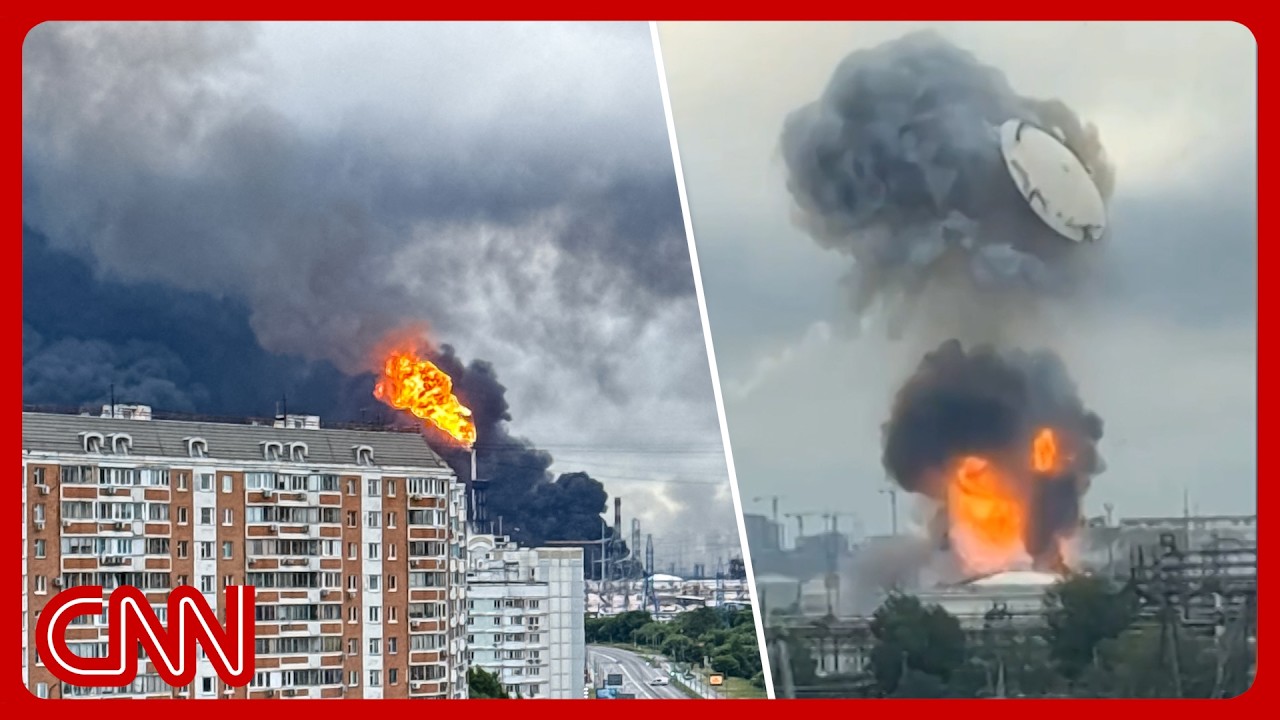
Last night, Kyiv launched its largest assault on Moscow since the onset of the conflict, utilizing nearly 200 drones in a concerted attack that drew the ire of the Kremlin. Russian officials claim they shot down the majority of these drones, but the symbolic impact of the assault cannot be overstated. The visuals of black smoke rising over the iconic Moscow skyline serve as a potent reminder of the conflict’s reach and implications. Such an audacious military operation sends a clear message: Kyiv is capable of retaliating in the heart of Russia itself.
Volodymyr Zelensky, Ukraine’s President, has framed these strikes as justified retribution against Moscow for its sustained bombardment of Ukrainian cities. Speaking ahead of a NATO summit, Zelensky emphasized the need for advanced anti-ballistic capabilities to counter relentless missile attacks from Russia. His statements indicate a broader strategy wherein Ukraine seeks not merely to defend, but to challenge Russian positions from afar, using improved drone technology that has evolved significantly during the conflict.
The ramifications of Ukraine’s aerial offensive go beyond immediate military concerns. Experts, such as Nigel Davis from the International Institute for Strategic Studies, argue that these long-range strikes may severely disrupt Russian logistical capabilities in occupied territories, including Crimea. The Kremlin has long sought to project an image of control and resilience, but the successful strikes undermine this façade, forcing Russian leaders to reconsider their narrative around the war.
Amidst these escalating tensions, the European response is crucial. There is a palpable insistence among EU leaders that the conflict must continue, despite claims that the battlefield dynamics are shifting in favor of Ukraine. This notion counters the Russian narrative, which suggests that military setbacks are merely temporary. The EU’s unified stance may serve to bolster Ukraine’s resolve and international support, especially as they seek to amplify their military capabilities through innovative partnerships with European nations.
The implications of these developments resonate well beyond the immediate military engagement. With the G7 summit in recent memory, we see a shift in international sentiment, even among traditionally skeptical figures. Former President Donald Trump, known for his erratic views on foreign policy, has recently adopted a firmer stance towards Russia. His evolving position indicates a broader recognition that Ukraine is fundamentally redefining its role in the conflict, moving from a position of defense to one of active offense.
While the Kremlin continues to maintain that the prospect of negotiations has diminished due to these latest attacks, the reality is more complex. The longer Ukraine holds the initiative in striking key Russian assets, the more difficult it becomes for Moscow to sustain its perceived dominance. Inside Russia, the public is increasingly confronted with the impacts of the war, which could lead to pressure on the Kremlin for a reassessment of its strategies.
Moreover, the ongoing conflict illustrates a broader theme of adaptability in warfare. Ukraine’s rapid development of drone technology and long-range capabilities highlights the necessity for modern militaries to innovate in response to evolving threats. This aspect of the conflict not only influences military outcomes but also dictates diplomatic landscapes. The outcome of the current phase may ultimately hinge on whether Kyiv can compel Russia to pursue negotiations—or, conversely, if Moscow can withstand the mounting pressure.
As the EU leaders convene in Brussels, all eyes will remain on the shifting dynamics of this war. The questions are profound: can Ukraine sustain its momentum, and how will the Kremlin respond under pressure? One thing is certain: the landscape of European security has been irrevocably changed, and the implications of these developments will resonate well into the future. The coming weeks will be pivotal, as both sides attempt to gauge their next moves in this complex and evolving confrontation.