Navigating the Challenges of Winter Parking: A Case from West End
As winter envelops many urban areas, the challenges of parking during heavy snowfall become a pressing concern. A recent incident in the Bloor and Royal York area of West End provides a striking example of the dangers associated with improper vehicle placement amidst accumulating snow.
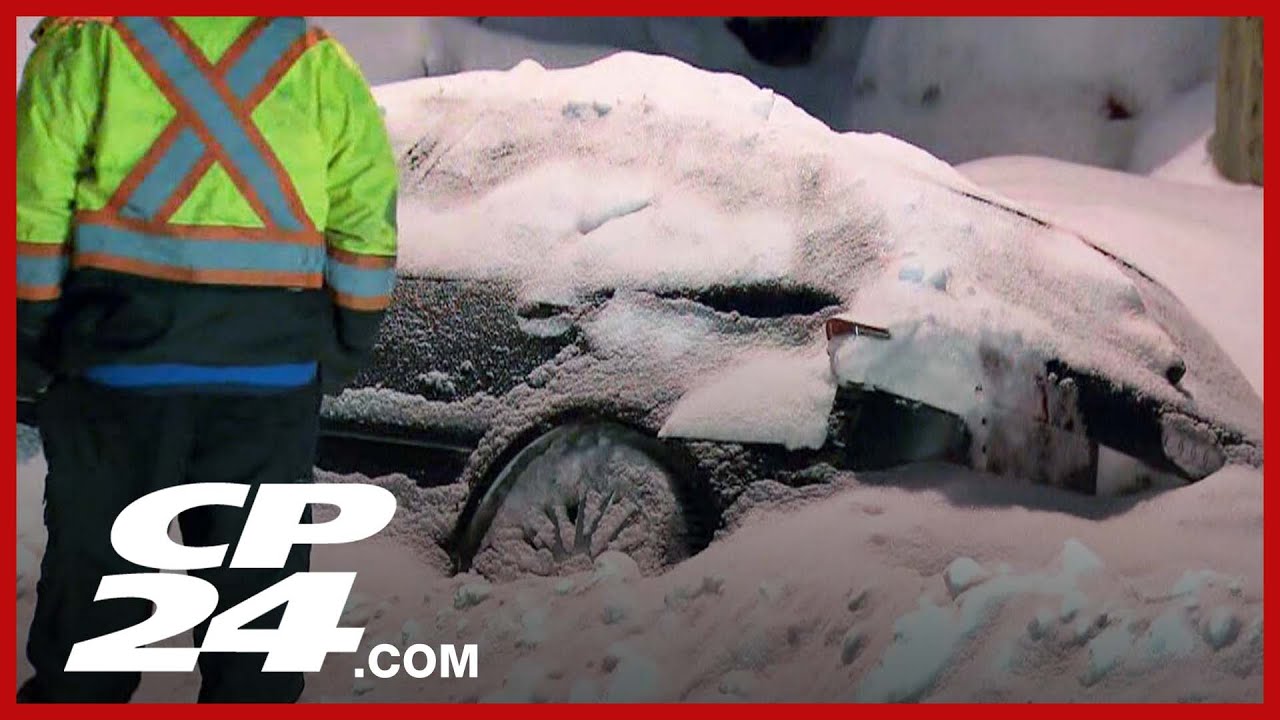
Andrew Brennan, a reporter on the scene, highlighted the predicament of a vehicle that had found itself trapped within a sizable snowbank. The car, although seemingly innocuous, had been displaced, presumably by another vehicle navigating the narrow streets typical of older urban neighborhoods. The results were telling; the car was positioned at an alarming angle, suggesting a strong force had acted upon it.
The situation underscores the importance of adhering to city parking regulations, particularly during adverse weather conditions. The city frequently declares no-parking zones, yet drivers may not always comprehend the ramifications of ignoring these notifications. Brennan emphasized that even on side streets, which often have limited space, parked cars can inadvertently obstruct larger vehicles, such as snowplows or emergency services.
This incident emphasizes a key point: the perception of being “out of the way” does not equate to safety. The historical architecture of many towns yields narrow roadways, where the margins for error diminish significantly. Even if a vehicle appears inadequately parked, other factors—such as snowbanks or the positioning of adjacent vehicles—can complicate driving conditions.
The snowbanks themselves, approaching three to four feet in height, exacerbate the situation. Such accumulations, even from minor snowfall, can significantly limit visibility and maneuverability for drivers. Aesthetic challenges aside, these snowbanks can obstruct not only vision but also access to lanes and sidewalks, creating hazardous conditions for both pedestrians and motorists.
In the midst of winter, drivers must adopt a proactive approach to parking. Awareness of one’s surroundings includes observing the width of the road and anticipating the activities of city services. A seemingly harmless decision to park on a narrow side street can unwittingly contribute to snow-related accidents, resulting in costly repairs or even hazardous incidents involving emergency vehicles.
Brennan’s report also serves as a reminder that the consequences of inattention can extend beyond individual vehicles. Situations like these underscore the collective responsibility of the driving community to adhere to parking regulations for the greater good, especially in winter. Each vehicle’s positioning creates a ripple effect; an inconvenience for one driver can quickly escalate into an emergency for another.
While the prospect of digging out a trapped car may seem daunting, it offers an opportunity for community cooperation. Neighbors can come together to assist in extracting vehicles caught in snowbanks, fostering a sense of solidarity during challenging weather. Furthermore, it emphasizes the importance of keeping communal areas clear to assist in maintaining accessibility.
As the winter progresses, residents must remain vigilant and adaptive, acknowledging the unique challenges posed by snow accumulation. Whether it entails understanding the positioning of one’s vehicle or being conscious of how winter weather affects everyday life, awareness can mitigate risk.
As Andrew Brennan continues to monitor the situation on the ground, this incident serves as a cautionary tale for all drivers navigating their daily routines. While winter may bring beauty and coziness, it also demands respect and consideration to ensure safety and functionality on the roads. Community awareness, responsible parking, and adherence to regulations are not merely advisory; they are critical for maintaining order in our wintery urban landscapes.