Tragic Incident: An ICU Nurse Shot by Immigration Officers in Minneapolis
On a fateful Saturday morning in Minneapolis, federal immigration officers fatally shot Alex Preti, an ICU nurse at a local veterans affairs hospital. This incident marks another controversial interaction between law enforcement and civilians, igniting discussions about the accountability of federal agents, particularly in the context of escalating tensions during protests.
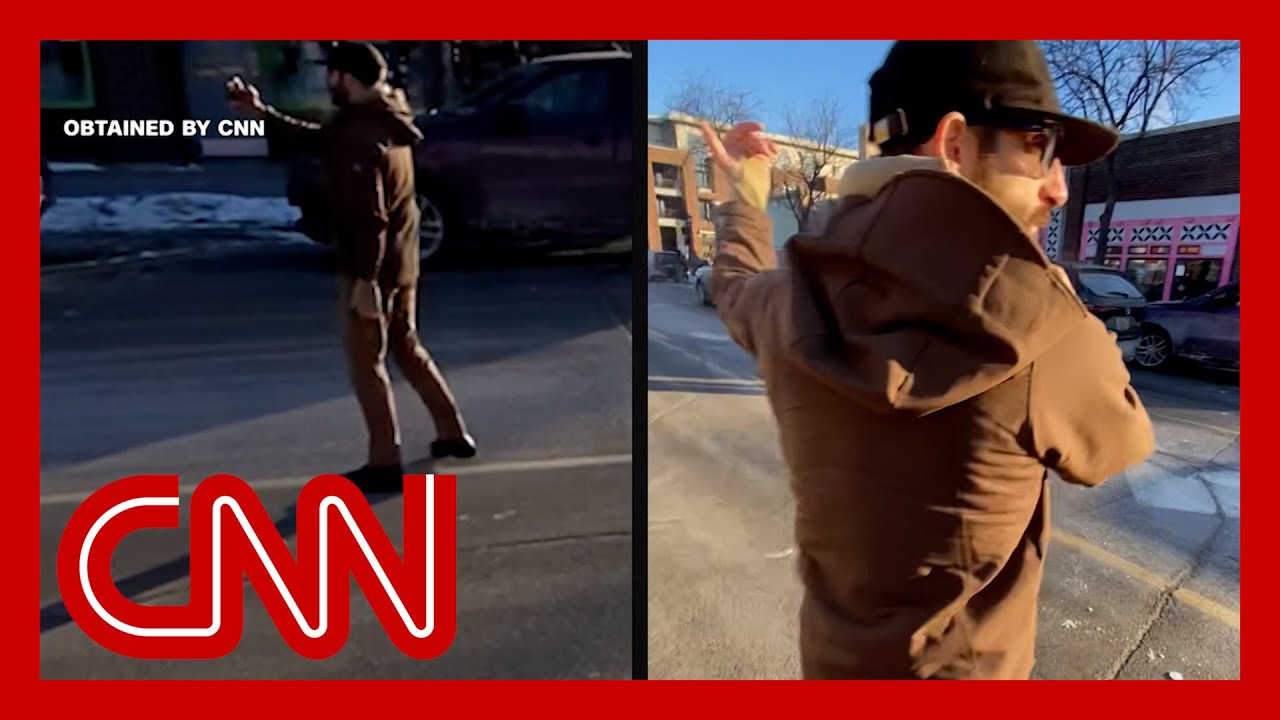
Cellphone footage captured during the incident raises critical questions about the narrative provided by the Department of Homeland Security (DHS). Initial reports claimed that Preti had approached officers wielding a nine-millimeter semi-automatic handgun. However, as video analysis from various angles reveals, he did not have a firearm in his hand at the time of the confrontation, but rather a cell phone.
The context of the shooting is crucial. The videos depict a chaotic scene where two individuals approach an immigration officer in front of an unidentified vehicle. Preti can be seen filming the officer as he interacts with protesters. Shortly thereafter, chaos ensues. Officers are observed pushing protesters, and moments later, Preti is pulled from the crowd by law enforcement while attempting to assist a fellow protester. Within seconds, gunfire erupts, with at least ten shots fired, leaving Preti motionless on the ground.
The sequence of events depicted raises profound concerns regarding the tactical decisions made by officers on the scene. Juliette Kayyem, CNN’s national security analyst and former assistant secretary at DHS, articulated a fundamental issue: "They created it." The scene devolved into chaos, with officers appearing uncoordinated and seemingly unable to de-escalate a volatile situation. The assertion that they acted in self-defense is undermined by the evidence captured on camera, as it illustrates a lack of immediate threat from Preti.
After the shooting, officers delayed calling for medical assistance for approximately a minute. When they eventually returned to the scene, it was not to administer aid, but to search Preti’s body. This delay not only raises ethical questions but also highlights the urgency of scrutinizing the standard operating procedures in such confrontations.
DHS has maintained its stance, asserting that officers were justified in their actions due to Preti’s alleged "violent resistance." However, as Kayyem emphasized, the reality captured in the videos contradicts this narrative. Instead of a perceived threat, we witness a man who appears confused and distressed, not aggressive. This discrepancy calls into question the efficacy of DHS’s initial assessment of the situation.
The implications of this shooting extend beyond just the tragic loss of life. It has also sparked debates within the broader conversation about gun rights in America. The National Rifle Association (NRA) and various gun rights groups have voiced concerns over the rhetoric surrounding Preti’s shooting. In their view, the prevailing narrative unfairly demonizes lawful gun owners. They stress the importance of awaiting a thorough investigation rather than making generalized conclusions based on incomplete information.
Minnesota’s laws on concealed carry complicate the matter further. Preti, as a lawful gun owner, had every right under state statutes to possess a firearm. The questions surrounding the legality of his actions prior to the shooting must be addressed, not only in terms of Preti’s rights but also regarding law enforcement’s understanding of those rights.
As the investigation continues, a comprehensive analysis of the footage will be crucial in providing clarity and context to an incident that has left many unanswered questions. No civilian should fear for their life during a protest, particularly at the hands of federal agents. It raises serious concerns about the procedures in place for handling such confrontations, as well as the appropriateness of the response to perceived threats.
This incident underscores the necessity of reforming law enforcement practices and ensuring that agents are trained to de-escalate situations rather than amplify them. The pursuit of justice for Alex Preti is now entwined with the larger conversation about federal oversight, accountability, and the rights of citizens during protests. Moving forward, the outcome of this investigation will likely influence discussions about immigration enforcement and police culture in the United States.