Controversy at the World Cup: Allegations, Interference, and Integrity
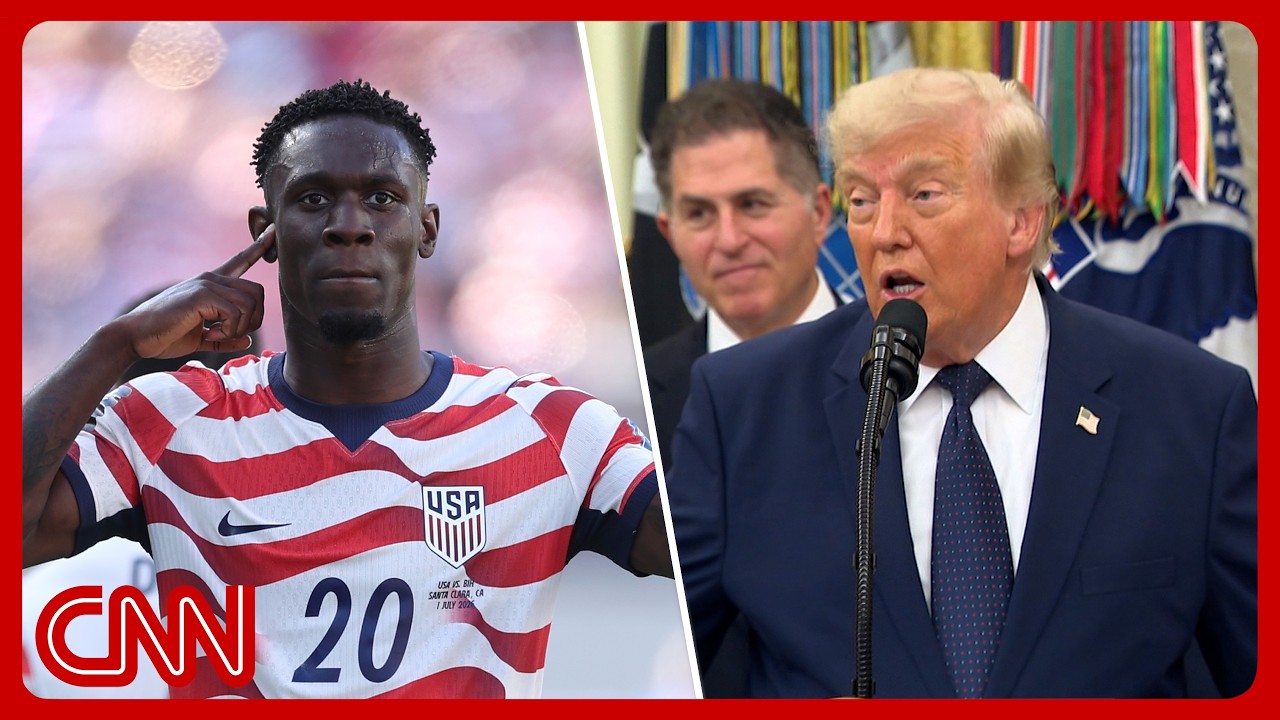
The World Cup has long been a celebration of exceptional athleticism, exhilarating competition, and the vibrant camaraderie of fans across the globe. Yet, this year, amidst the excitement, an unsettling controversy has overshadowed the tournament. Allegations linking U.S. President Donald Trump to a dubious decision by FIFA to lift the suspension of top U.S. goal scorer, Floren Balagon, have raised serious questions about the integrity of the sport.
Balagon, after receiving a red card during the USA versus Bosnia-Herzegovina match, faced an automatic suspension for the pivotal game against Belgium. Observers of the match were divided; many argued the red card was unjust. However, FIFA’s rules, unwavering as they are, dictated that Balagon would miss the upcoming clash. This was a significant blow, considering his status as the team’s star striker.
In a shocking turn of events, reports surfaced that Trump had contacted FIFA, requesting a review of the suspension. The outcome? FIFA, citing a rarely invoked statute, rescinded Balagon’s ban. This decision ignited outrage. Fans and pundits expressed disbelief that political influence could distort the sporting landscape.
Belgium, recognizing the potential ramifications of this ruling, sought clarity from FIFA. Their request was treated not as a legitimate appeal but rather dismissed, leaving them frustrated and perplexed. Meanwhile, UEFA, the governing body for European football, termed FIFA’s decision "unprecedented" and "unjustified." They warned that such actions could jeopardize the integrity of the sport itself.
Trump, for his part, claimed innocence, arguing that his inquiry was merely a call for fairness. "I didn’t think it was a foul…two great athletes crashed into each other," he stated, almost dismissively. Yet, the pointed questions remained. How could a world leader, albeit a controversial one, exert influence over an independent organization like FIFA?
FIFA President Gianni Infantino insisted that decisions are made autonomously and that Trump’s phone call had no bearing on the committee’s choices. However, skepticism hangs in the air. The relationship between Infantino and Trump has been scrutinized, particularly in light of this peculiar case. Critics argue that while world leaders often engage with FIFA, the implications of this case tread a dangerous path toward potential political meddling in a realm traditionally protected from such influences.
The irony of this episode grows when considering Belgium’s appeal was denied based solely on their lack of standing in the proceedings. Yet, the question remains: How did Trump, as a non-official football representative, establish a platform to question FIFA’s decisions? FIFA’s own statutes explicitly prohibit political interference, pointing to a troubling inconsistency.
Moreover, Balagon is not the first player to receive a red card during the tournament. With 12 other suspensions occurring, why was Balagon’s case subject to review simply because of a presidential inquiry? This discrepancy raises flags regarding fairness and consistency, further undermining FIFA’s credibility.
In the political arena, Trump’s candid admission of influencing FIFA while simultaneously emphasizing the importance of fair play further complicates the narrative. Critics fear that his approach—which often involves leveraging relationships to navigate around established norms—could set a dangerous precedent, potentially inviting similar interventions from other nations’ leaders.
Ultimately, the fallout from this incident is significant. It challenges the autonomy of governing bodies like FIFA and threatens to tarnish the reputation of the World Cup—a festival that should, above all, celebrate fair competition. If government officials can intervene to adjust rulings, it risks creating an environment ripe for favoritism and undermines the principle of a level playing field.
As fans, analysts, and officials turn their eyes to the pitch in the upcoming match between the U.S. and Belgium, they do so with an unsettling awareness of the tensions underlying this World Cup. In the wake of Trump’s influence and FIFA’s controversial decision, the sporting community is left grappling with an essential question: Can the integrity of the game withstand political maneuvering, or are we witnessing the beginning of a slippery slope that could compromise the very essence of competitive sport?