The Intensifying Conflict in Ukraine: Insights from Kiev
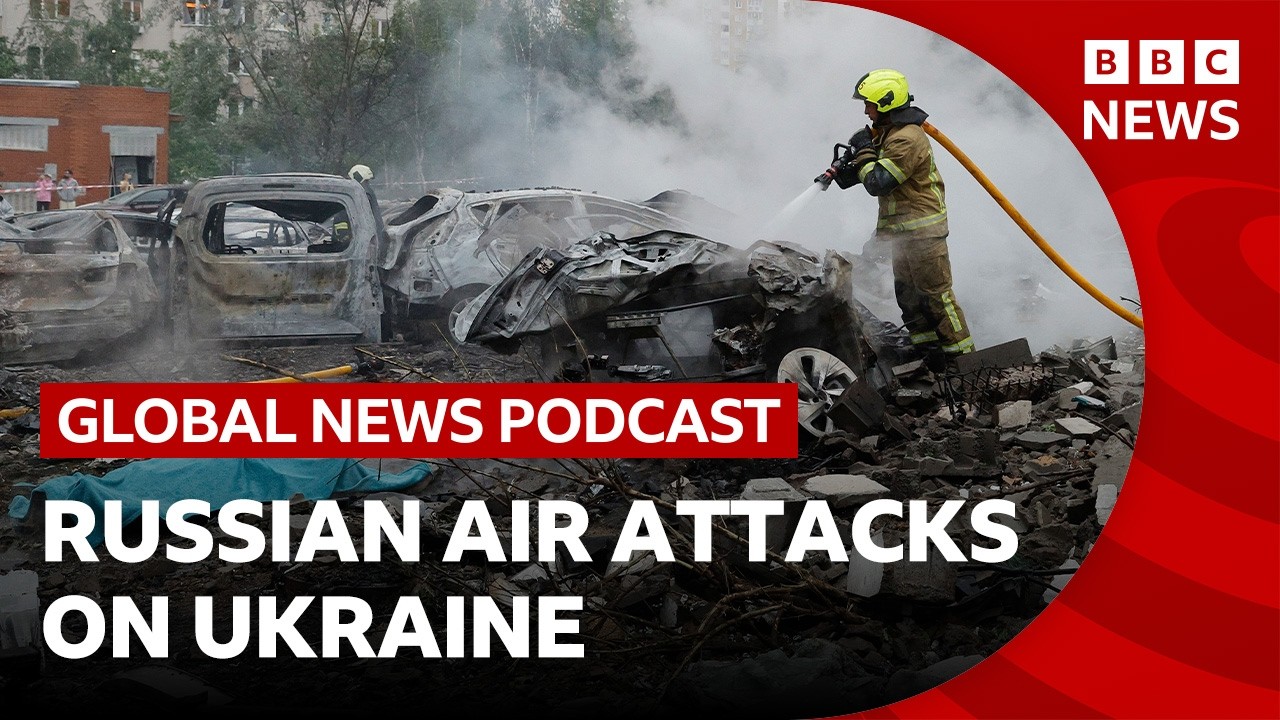
In recent weeks, the Ukrainian capital, Kiev, has found itself under a relentless barrage of missile strikes, marking a significant and worrisome escalation in the ongoing conflict with Russia. Sarah Rainford, the BBC’s Eastern Europe correspondent, provides a harrowing account from the heart of the city, where the aftermath of missile attacks has left the local populace in a state of despair and uncertainty.
Evidence of this devastation is stark. Rainford describes one scene where a nine-story apartment building suffered catastrophic damage—its facade punctured, revealing interiors torn apart by violence. Rescue teams sift through the debris, desperately searching for survivors, while families stand helplessly by, anxiously awaiting news of loved ones who may still be trapped. Many report being physically and emotionally shaken, a testament to the toll that four years of war has taken on the civilian population.
The frequency and intensity of these aerial attacks signify a shift in the Russian military’s strategy. After months of deploying drone swarms, Russian forces have transitioned to utilizing a greater number of missiles. This change poses a grim challenge for Ukrainian air defenses. While Ukraine managed to intercept many drones, ballistic missiles travel at extraordinary speeds and are extraordinarily difficult to target—especially as Ukraine’s supply of advanced interceptors like the US-made Patriot systems dwindles.
Rainford notes that Ukraine has been vocal in requesting additional missile defense systems from its allies, yet those resources have been stretched thin, especially with other conflicts, notably in Iran, demanding attention from American and Israeli military supplies. The implications are alarming—the more missiles that reach their intended targets in Ukraine, the more civilian casualties are likely to occur.
The unpredictability of these attacks raises pressing questions about their intention. Whether the Russian military is deliberately targeting civilian infrastructure or simply failing to achieve precise strikes is up for debate. Rainford indicates that while there may be some military targets involved, the heavy toll on civilians suggests an indiscriminate aspect to the strikes—whether through error or an alarming apathy towards civilian life.
The psychological impact on the people of Kiev cannot be overstated. The constant threat of missile strikes has compelled many citizens to seek refuge in basements or underground metro stations, further eroding their morale. Rainford observes the mood shifts among locals, where moments of confidence following successful Ukrainian drone strikes against Russian targets give way to dread under the current barrage of attacks. This cyclical emotional toll is a demonstration of the conflict’s draining nature on the Ukrainian spirit.
Meanwhile, Ukraine is not remaining passive. Recent military operations have targeted Crimea, a peninsula annexed by Russia in 2014, which holds symbolic and strategic significance for Russian President Vladimir Putin. Rainford highlights that hitting military and energy infrastructure in Crimea undercuts the narrative of Russian dominance—a narrative that Putin has cultivated since the annexation.
As the war grinds on, the conflict remains multifaceted. Counter-offensives in the Donbass region signal ongoing military engagements, with reports of both sides claiming advances in territory. The strategic stakes are highlighted by the town of Konstantinovka, a gateway to significant locations in the region. Control over this town could impact the broader campaign for the entirety of the Donbass.
Despite the complexity of military actions, a notable stagnation in peace talks persists. The international community watches closely, particularly with upcoming NATO discussions likely to shape the involvement of Western allies in the conflict. Both Ukraine and Russia are expected to project their narratives during this high-stakes meeting, which could play a crucial role in shaping future military and diplomatic engagements.
As the situation continues to unfold, the prospect for peace seems elusive. Rainford’s reports from Kiev underscore a critical moment in the conflict, where both military strategy and civilian endurance are pushed to their limits. In this grim landscape, the resilience of the Ukrainian people stands as a testament to their determination, but the path to lasting peace appears more difficult than ever.
Conclusion
The situation in Ukraine remains fluid and fraught with peril. As missile strikes intensify and both military and political narratives clash, the focus must remain on the humanitarian implications—ensuring that the voices of those impacted are heard amid the tumult of war. Being informed and engaged as global citizens is essential in these trying times.