The Fragile State of Russia: Economic Strain and Public Discontent Amid Ongoing Conflict
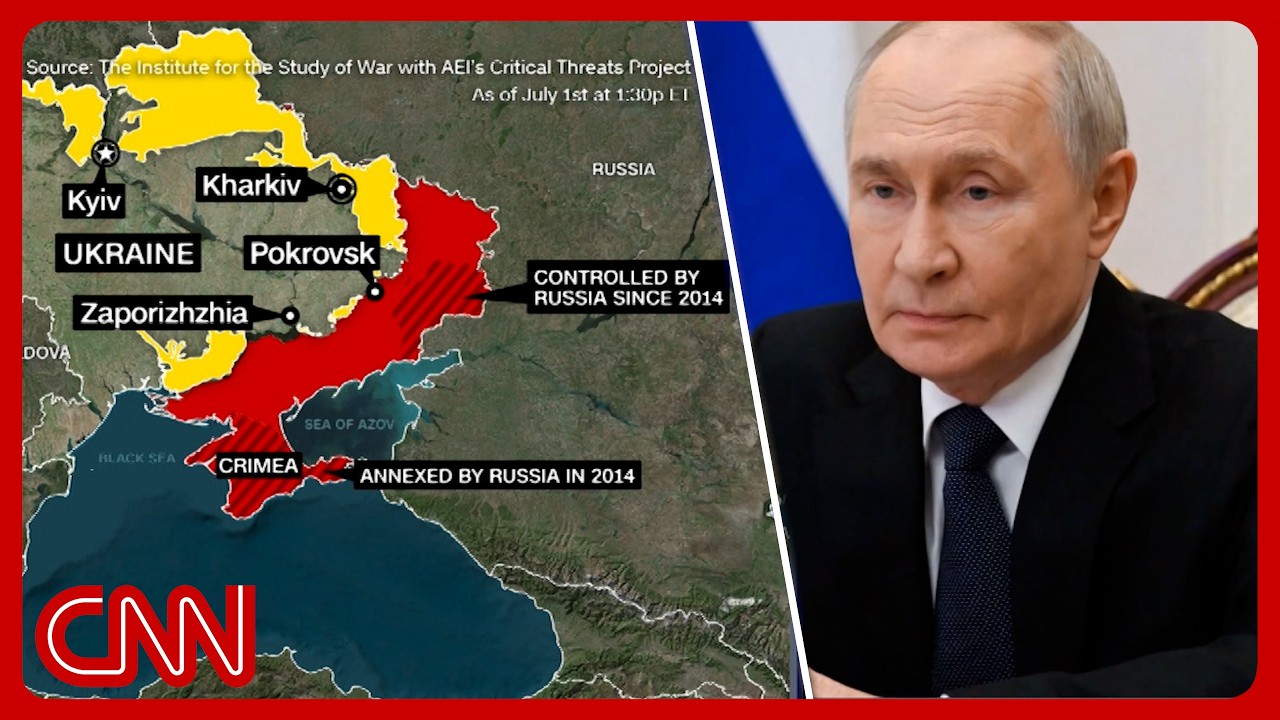
The ongoing conflict between Russia and Ukraine continues to evolve, with President Vladimir Putin facing unprecedented challenges both on the battlefield and within Russia itself. To shed light on this complex situation, we turned to Vladimir Lov, a former deputy energy minister in Russia and a vocal critic of Putin’s regime. Lov provides deep insights into the current military strategy and the economic realities that are shaping the future of Russia.
As Lov explains, Putin’s response to Ukraine seems predictable: when provoked, he retaliates aggressively. However, the implications of this approach have now become increasingly dire. The Kremlin is undergoing a transformation, marked by diminishing resources and escalating economic troubles. "Putin is in a desperate situation," Lov articulates, emphasizing that the Russian leader’s options for escalating military action are dwindling. His traditional tactics—such as mobilizing resources or launching attacks on civilian infrastructure—appear to be losing effectiveness.
Currently, there’s talks of another round of mass mobilization in Russia. Yet, such a move could have catastrophic repercussions for an already beleaguered economy. Lov warns that this would contribute to the economic decline and social unrest within Russia, which is already grappling with a contracting budget and rising inflation. “There is no easy choice for Putin,” Lov states, highlighting that the very fabric of Russian society could begin to fray under the strain.
Indeed, the economic indicators are troubling. Recent reports indicate continuing contraction within the Russian economy, spurred by a ballooning budget deficit and inflation rates that are among the highest within the G20. Russia had not anticipated such a turn of events just a year ago, and Putin’s financial room for maneuver is noticeably shrinking. This precarious economic landscape has compelled even influential figures within the country—business leaders and high-ranking officials—to voice dissatisfaction with the ongoing conflict. Many are beginning to openly question the viability of Putin’s policies, calling for an end to the war.
The question arises: what happens if the war continues to escalate? While Lov acknowledges that there might be initial support from the Russian populace as conflict takes on a more immediate nature, the realities of war on home soil are not easily accepted. Signs of discontent are emerging. Recruitment for the war has significantly decreased, and public opinion is shifting. People are weary, and the recruitment pools that once supplied soldiers are increasingly barren. Even monetary incentives are failing to entice men to join the ranks.
In a society traditionally dominated by silence in the face of authoritarian rule, Lov observes a notable shift. Prominent public figures have started to articulate their disapproval of Putin’s handling of the situation and the broader strategy in Ukraine. This unwelcome introspection among Russia’s elite could be a crucial indicator of a broader societal transformation.
One significant source of discontent manifests itself in the everyday lives of ordinary Russians. The lines outside gas stations—their lengths reminiscent of crises from the late ’80s—have become a collective symbol of anger and frustration. Lov underscores that while fear silences many voices, the growing grievances surrounding daily hardships may serve as the catalyst for deeper political discontent. Yet, he cautions that systemic change will not be quick or easy. The pushback against a totalitarian regime often requires a confluence of various pressures, and the path from dissatisfaction to protest is fraught with obstacles.
In conclusion, the current landscape in Russia is layered with complexity. The interplay between a faltering economy, public discontent, and an entangled military conflict creates a precarious environment for both Putin and the Russian populace. While the regime maintains its grip on power, cracks are beginning to emerge, suggesting that the road ahead may not be as stable as it once appeared. As history has shown, discontent can ignite unexpectedly, and the current situation warrants close attention. For now, the conflict drags on, but the forces of change may be brewing just beneath the surface.