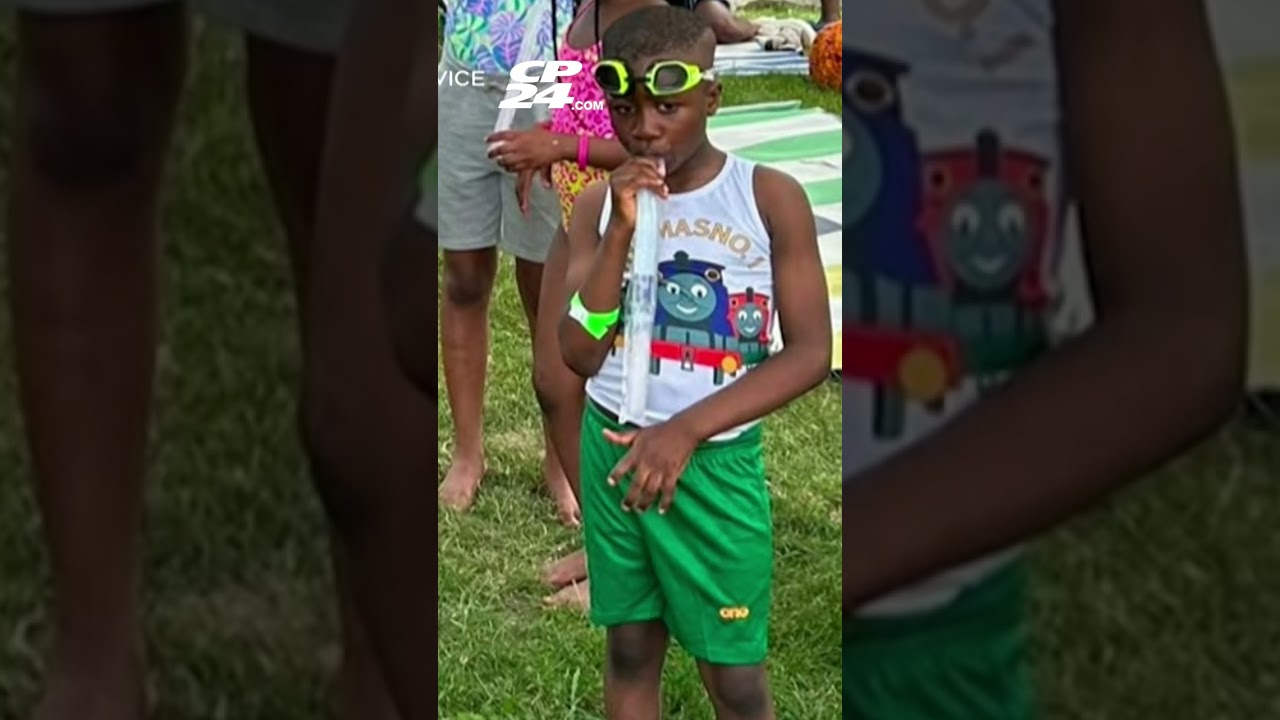
On July 1st, the serene surroundings of Binbrook Conservation Area in Hamilton, Ontario, were shattered by the disappearance of a young boy. Seven-year-old Nathaniel Salembini was reported missing under circumstances that quickly escalated into a frantic search operation. Despite the collaborative efforts of search and rescue teams, community volunteers, and law enforcement, the day culminated in an announcement that no parent should ever have to hear: Nathaniel has been found dead.
The search for Nathaniel began shortly after he was reported missing Wednesday afternoon. As the hours passed, anxiety and desperation filled the air. Local authorities immediately mobilized resources, signaling the seriousness of the situation. Search teams utilized drones, canine units, and divers in an extensive effort to locate the child. Community members joined in, demonstrating the human spirit’s resilience and determination in times of crisis. Friends and families gathered, sharing flyers and offering support to Nathaniel’s family. Hope flickered among the crowds, buoyed by the collective wish for Nathaniel’s safe return.
As nighttime began to veil the conservation area, darkened skies mirrored the growing concern. Despite the heightened efforts, search teams faced challenges in the vast, wooded terrain. The reality of the situation weighed heavily on everyone involved. As darkness fell, the emotional toll became palpable, yet the community remained steadfast in its resolve. The Binbrook Conservation Area, typically a place of recreation, took on an ominous character as searchlights crisscrossed the trees, illuminating lost hopes.
Late in the evening, authorities confirmed the heartbreaking news that Nathaniel’s body had been found. The announcement was a grim conclusion to a day that had begun with optimism. While specifics surrounding the cause of death remain undisclosed, police have indicated that they are not treating the situation as suspicious. This assertion does not mitigate the profound sorrow enveloping the community, nor does it erase the unanswered questions lingering in the hearts of those who knew the young boy.
Nathaniel’s family is now left grappling with an unimaginable loss. The grief that descends during such moments is often too complex for words. It transcends simple expressions of sympathy; it transforms into a haunting void that alters the very fabric of life for those affected. Friends and neighbors will undoubtedly rally, creating a network of support, but the shadow of loss remains palpable. Families that once gathered to celebrate Canada Day now find themselves united in mourning.
The incident has prompted reflections on safety measures in outdoor recreational spaces. The conservation area, known for its family-friendly environment, now faces scrutiny over child safety protocols. Community leaders and advocates may seize this moment to initiate discussions on enhancing safety regulations. Tragedies often underscore the need for preventative measures. Ensuring that such incidents do not repeat themselves requires a collective dialogue—a synergy between families, local governance, and community organizations.
As Nathaniel’s story unfolds, it serves as a reminder of the fragility of life. In the face of tragedy, the community’s strength lies in its ability to come together, providing solace and support for one another. The healing process ahead will be difficult; however, it is essential for all to remember that conversations, support networks, and community resilience can be powerful agents of comfort and change.
In concluding this harrowing account, we reflect on Nathaniel Salembini’s life. Behind the headlines and statistics, there existed a child full of potential, dreams, and possibility. His story may have ended abruptly, yet he will be remembered by those who loved him. The memories shared by friends, family, and the community will act as a lasting tribute, ensuring that Nathaniel’s spirit lives on in the lives he touched, even if only briefly.