A Shift in Trump’s Second Term: Maturity or Manipulation?
This week, Jeff Bezos made a statement about President Donald Trump that raised eyebrows. He described Trump as a "more mature and disciplined version of himself" than he was during his first term. Such a claim from a successful businessman merits scrutiny, particularly against the backdrop of Trump’s current political actions. Observers are left to ponder: what constitutes maturity in this context?
Examining Trump’s second term paints a starkly different picture than Bezos’s portrayal. Instead of a disciplined approach, we see an administration characterized by erratic and often reckless behavior. High-profile debacles, such as the ham-fisted attempts to annex Greenland and Canada, hefty tariff increases on global partners, and a harsh immigration crackdown, showcase a government that often bends the rules without regard for effectiveness or legality. Most alarmingly, the initiation of war without congressional oversight or United Nations sanction reflects a willingness to disregard foundational democratic protocols.
Contrary to Bezos’s assertion, Trump’s first term was marked not by his discipline, but by constraints. He was hemmed in by the Republican establishment and national security advisors who played crucial roles in shaping his legislative agenda. Figures like Speaker Paul Ryan and Chief of Staff Reince Priebus guided him, while top advisors convinced him to avoid the global tariffs he had long desired. The military leaders surrounding him encouraged caution on Iran, NATO support, and arms for Ukraine. This restrained environment, rather than an intrinsic character change, kept some semblance of stability.
However, the pivotal lesson Trump seems to have drawn from his initial term isn’t that expertise is crucial in governance; rather, it is that loyalty is paramount. Following the January 6th insurrection, many senior officials distanced themselves from him, leading the president to cultivate a circle of advisors prioritizing loyalty over experience. This shift has fueled a governance style inclined more toward impulse than procedure, bypassing institutional checks in favor of instinctual decision-making.
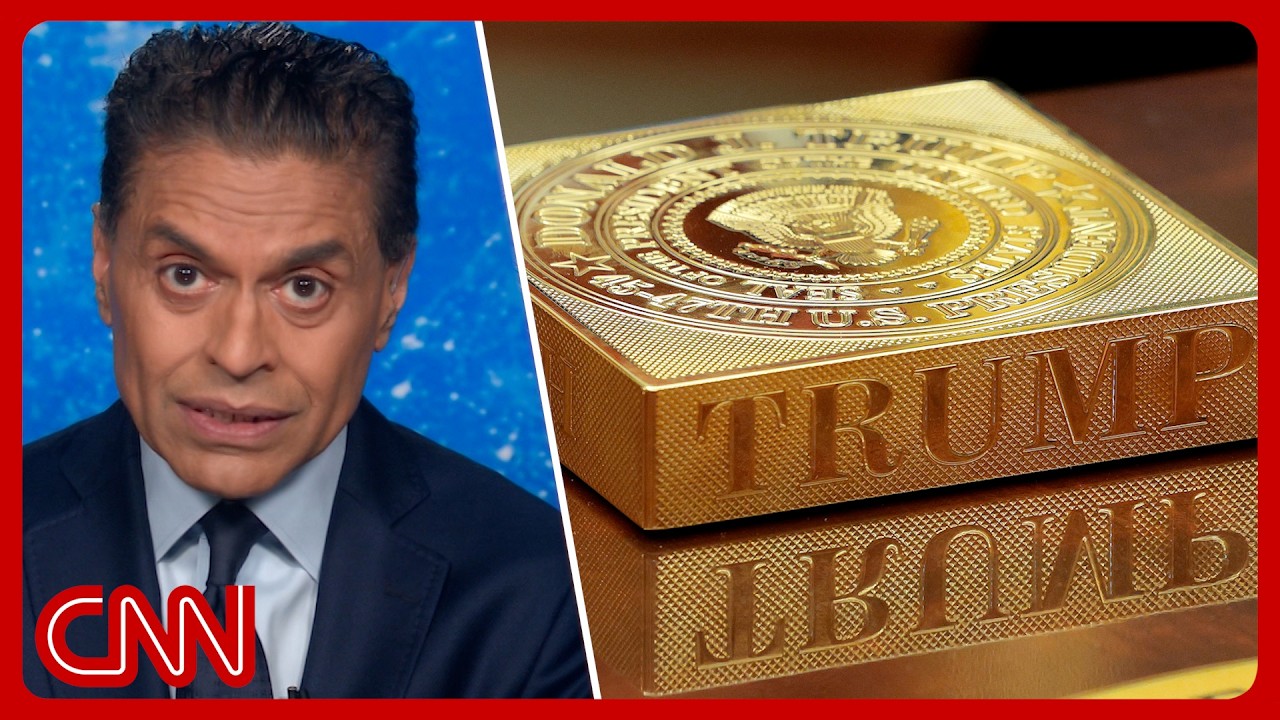
One key distinction between Trump’s first and second terms is the glaring focus on personal enrichment. A series of financially advantageous moves—both for him and his family—have overshadowed policy decisions. Just days before Bezos’s comments, the acting attorney general declared that Trump, his family, and his businesses would be shielded from future audits or investigations regarding past tax misdemeanors. This unprecedented immunity raises troubling questions about the boundaries of legal and ethical governance.
Recent financial disclosures reveal an alarming trend. Trump’s portfolio executed around 3,700 trades in the first quarter of the year, with several trades appearing strategically timed before favorable government actions. The Trump family has also benefited from significant investments linked to government decisions, underscoring a troubling intertwine of private gain and public office. Between early 2024 and mid-2025, the Trump Organization’s income reportedly skyrocketed from $51 million to a staggering $864 million, raising concerns over the commodification of the presidency.
This transition towards overt personal gain reflects a broader erosion of democratic norms. Scholars of corruption often suggest that in advanced democracies, graft typically becomes subtle, manifesting through campaign donations, lobbyist networks, and consulting contracts. Trump, however, has repurposed the machinery of government to foster an archaic style of personal grift.
While most Americans may find this troubling, his base appears largely unperturbed. In today’s hyper-polarized environment, moral judgments regarding corruption are often filtered through political allegiance. If “our side” engages in questionable behavior, it’s frequently rationalized or dismissed as politically astute.
This reality unveils a deeper vulnerability in the American political system. The Founding Fathers crafted a constitutional framework premised on a shared commitment to civic norms, which now seems tenuous. The focus of this discourse should not merely be on punitive responses but rather on systemic reform. Once Trump leaves office, the imperative will shift toward fortifying the legal frameworks that have been manipulated during his tenure, ensuring that executive power does not evolve into a platform for personal or familial gain.
Public opinion suggests discontent with Trump’s handling of key issues, yet there remains a notable lack of actionable change from the administration. As political analyst Nate Cohen points out, while Trump has adopted riskier policies, his decisions still appear influenced by public sentiment and stock market performance.
In recognition of this complexity, the quest for a more accountable governance must continue. The future of American democracy hinges not solely on the actions of one individual but on the systemic adjustments designed to preserve and protect public integrity against the encroachments of political opportunism.