Shifting Ideals: Young Men’s Disillusionment with Trump and the American Dream
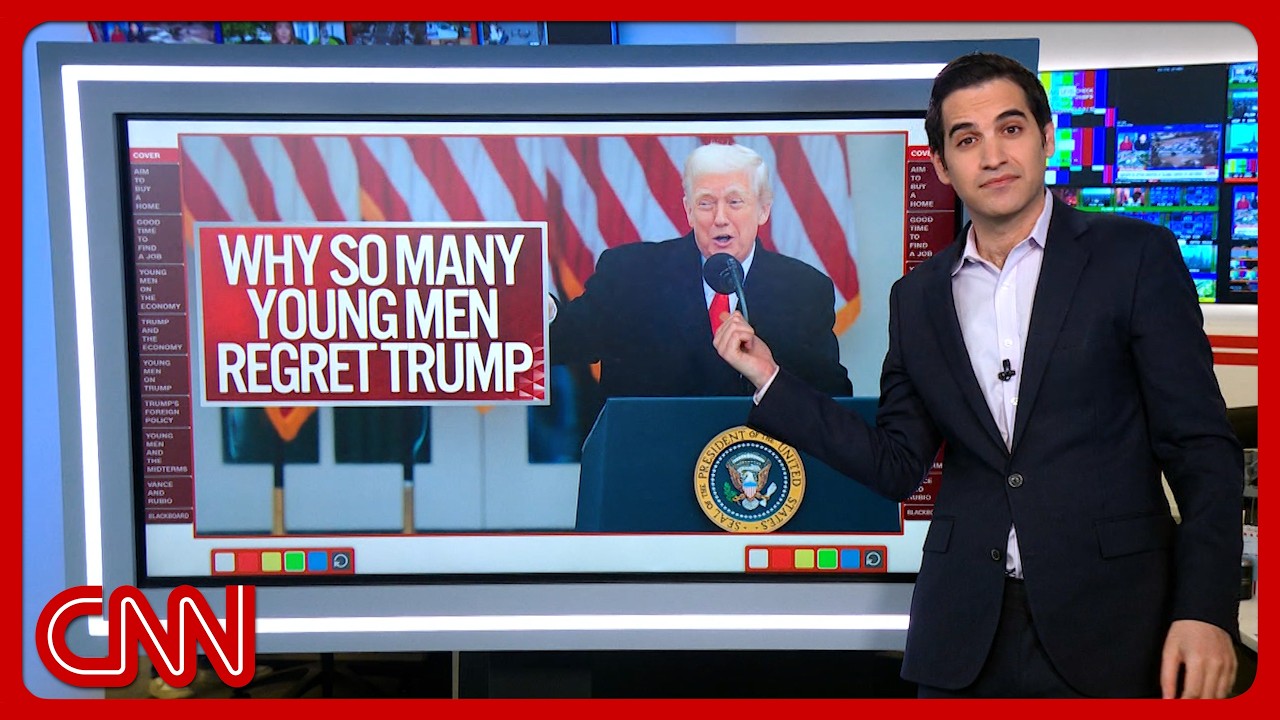
In recent years, a growing sentiment of frustration has permeated the lives of young people in the United States, particularly among young men, who once rallied around Donald Trump in hopes of attaining the American dream. Today, however, many of these individuals grapple with regret over their voting choices, as unrealized expectations surrounding basic life necessities continue to mount.
At the core of this discontent lies the aspiration for home ownership, a key component of the American dream. According to recent surveys, only 29% of adults aged 18 to 34 believe they will purchase a home in the next five years—a steep decline from 53% just a few years earlier. This dismal statistic starkly illustrates the challenges young individuals face in a volatile housing market characterized by high prices and limited availability. The sense of hopelessness is palpable, as many now view the dream of home ownership slipping through their fingers.
In addition to housing woes, young people also lament the state of the job market. Only 43% of individuals between the ages of 15 and 34 feel it is a good time to find employment, a marked decline from 75% just four years ago. This diminished optimism mirrors the increasing difficulties they face in securing stable, well-paying jobs necessary for financial independence. The decline is significant; from 2019 to 2024, the confidence in job availability dropped by over 30 percentage points—a sobering reflection of economic uncertainty.
This economic discontent resonates deeply among young men, particularly those who once formed a critical support base for Trump’s electoral success in 2024. Today, a staggering 79% of men under 30 perceive the current economic conditions as poor—up from 66% just before Trump’s inauguration. The transition in sentiment is alarming, with only 21% asserting that conditions are favorable. Given these statistics, it’s not surprising that frustrations are increasingly directed toward the administration.
The shift in perspective is evident in the waning approval ratings for Trump among young men regarding economic matters. Initially, these voters trusted Trump’s economic policies; however, as of 2025, his net approval rating plummeted to -59 points among this demographic. This dramatic drop reflects a staggering 66-point reversal, demonstrating how quickly opinions can change when expectations are unmet. It appears that Trump’s ability to galvanize support has made way for disillusionment, highlighting an urgent need for reassessment among Republican supporters.
Compounding this discontent are concerns surrounding foreign policy, particularly given recent escalations like the conflict in Iran. Young men, who once saw Trump as a stabilizing force, now view him with increasing skepticism. The shift in sentiment is stark: approval ratings have fallen significantly, with many expressing dissatisfaction equating to a 63-point reversal from earlier support.
As young men prepare for the upcoming elections in 2026 and beyond, they seem to be reorganizing their political affiliations. Analyzing polling data reveals a dramatic lean towards Democrats, with young men now favoring them by 28 points in congressional races—an unprecedented shift. Where Republicans once gained traction, they now find themselves facing uphill battles against a demographic they had long hoped to secure.
Furthermore, potential Republican candidates such as JD Vance and Marco Rubio are already feeling the implications of this disenchantment. Both are reported to have underwater approval ratings among young men, suggesting that the ramifications of Trump’s declining support will echo through the Republican Party for years to come.
In conclusion, the journey of young men from fervent supporters of Donald Trump to deeply frustrated critics represents a significant political and social transformation. With the American dream feeling increasingly elusive, it’s clear that disillusionment is reshaping not only their personal goals but also the broader political landscape. As the upcoming elections approach, it remains to be seen whether these young individuals will reclaim their voice and assert influence over the direction of their future.