Update on the US-Israel-Iran Conflict: A Fragile Truce or a New Chapter?
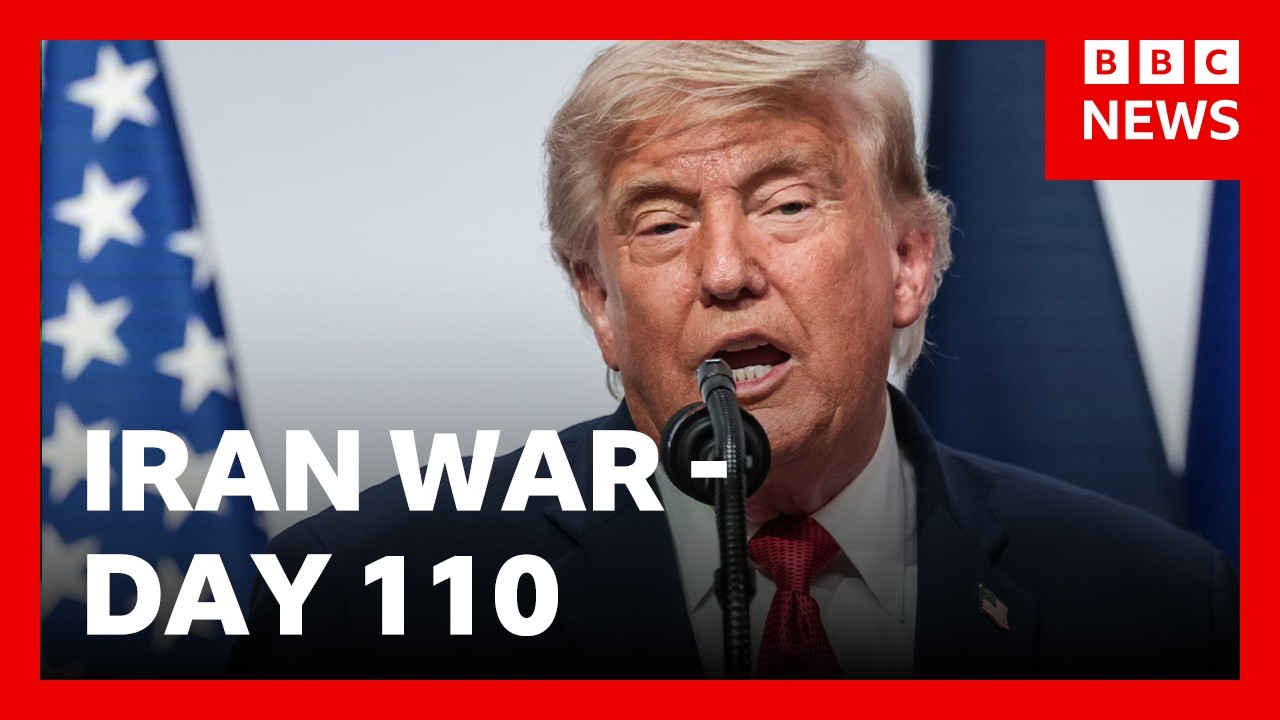
In an unexpected turn of events, President Donald Trump announced that a framework agreement to conclude the ongoing hostilities between the United States, Israel, and Iran could be formalized as early as this Thursday. This revelation follows 110 days of intense military engagements that have reshaped geopolitical alliances and created unprecedented tensions in the Middle East.
One of the key developments of the day involved three Iranian oil tankers successfully navigating a U.S. blockade for the first time in two months. The passage of these vessels has far-reaching implications for global oil markets, particularly as around 600 other vessels remain stranded in the strategically vital Strait of Hormuz. The recent memorandum stipulates that this waterway will be toll-free for 60 days, indicating a potential easing of tensions in the shipping lanes crucial for oil exports.
Trump’s Mixed Signals
During a press briefing following the G7 summit, Trump described the anticipated agreement as a significant triumph for American interests, framing it as a safeguard against nuclear proliferation from Iran. Yet his remarks also revealed a more belligerent stance: “If they don’t behave, we’ll go right back to dropping bombs right smack in the middle of their head.” This duality in rhetoric raises questions about the commitment to peace and the feasibility of long-term stability.
Critics have pointed out apparent gaps in the memorandum, particularly regarding nuclear oversight. Although paragraph eight emphasizes Iran’s commitment to refraining from nuclear weapon development, concerns linger about the robustness of verification mechanisms. Some observers worry that the agreement may not prevent Iran from enhancing its missile capabilities, a point that has generated discontent among Israeli officials and U.S. critics.
Congressional Reactions
Back in Washington, reactions to the proposed agreement are mixed, particularly along party lines. Democratic lawmakers have voiced strong opposition, often characterizing the memorandum as a capitulation. Many argue it leaves the U.S. in a weaker position compared to prior negotiations led by former President Obama. In contrast, some Republicans express cautious optimism—at least until they can thoroughly assess the content of the agreement.
Tom Baitman, reporting from Capitol Hill, highlighted the reticence among Republican senators to comment definitively, indicating that they are awaiting more information. Both parties recognize that how this deal aligns with previous agreements could become a pivotal issue in upcoming political debates.
Economic Implications and Global Markets
On a broader economic scale, the resumption of oil shipments through the Strait of Hormuz is likely to stabilize heightened global oil prices, which have seen fluctuations amid the ongoing conflict. The reopening of this critical passage could restore supply to energy-dependent economies, primarily in East Asia, which have experienced significant economic strain due to existing sanctions and disruptions.
Shipping analyst Kevin Peachy noted that normalization in the Strait may unfold gradually. Despite the optimistic outlook for re-establishing flows, caution remains essential. Geopolitical uncertainties could quickly re-escalate tensions, pulling the region back towards instability.
Regional Stability and Military Engagements
Nonetheless, the agreement’s stipulations for ceasing military actions across various fronts—including southern Lebanon—are already being tested. Reports confirm that Israeli airstrikes have continued despite the cessation mandates stated in the memorandum. Israeli officials contend that these operations are necessary to counter threats from Iran-backed Hezbollah, further complicating the fragile situation.
Charlotte Gallagher, reporting from Jerusalem, pointed out that Israeli Prime Minister Benjamin Netanyahu faces mounting pressure. While Trump has articulated a desire for restraint, elements within Israeli politics advocate for continued military operations against perceived threats.
Public Sentiment in Iran
As events unfold, the Iranian populace is experiencing a complex response. While the regime appears to welcome the agreement for its potential economic benefits, hardliners express skepticism regarding U.S. reliability. Many ordinary citizens, however, remain cautiously optimistic, yet are acutely aware of the risks. A significant aspect of public sentiment hinges on whether newfound economic resources will support domestic welfare or be diverted toward regional proxy activities.
As we await further developments, it is evident that the memorandum of understanding marks a tentative step towards reconstructing a shattered landscape. However, the stakes remain high, and the global community watches closely, aware that only time will reveal the true impact of this fragile agreement.