Air Quality in Toronto: A Temporary Respite Amid Wildfire Smoke
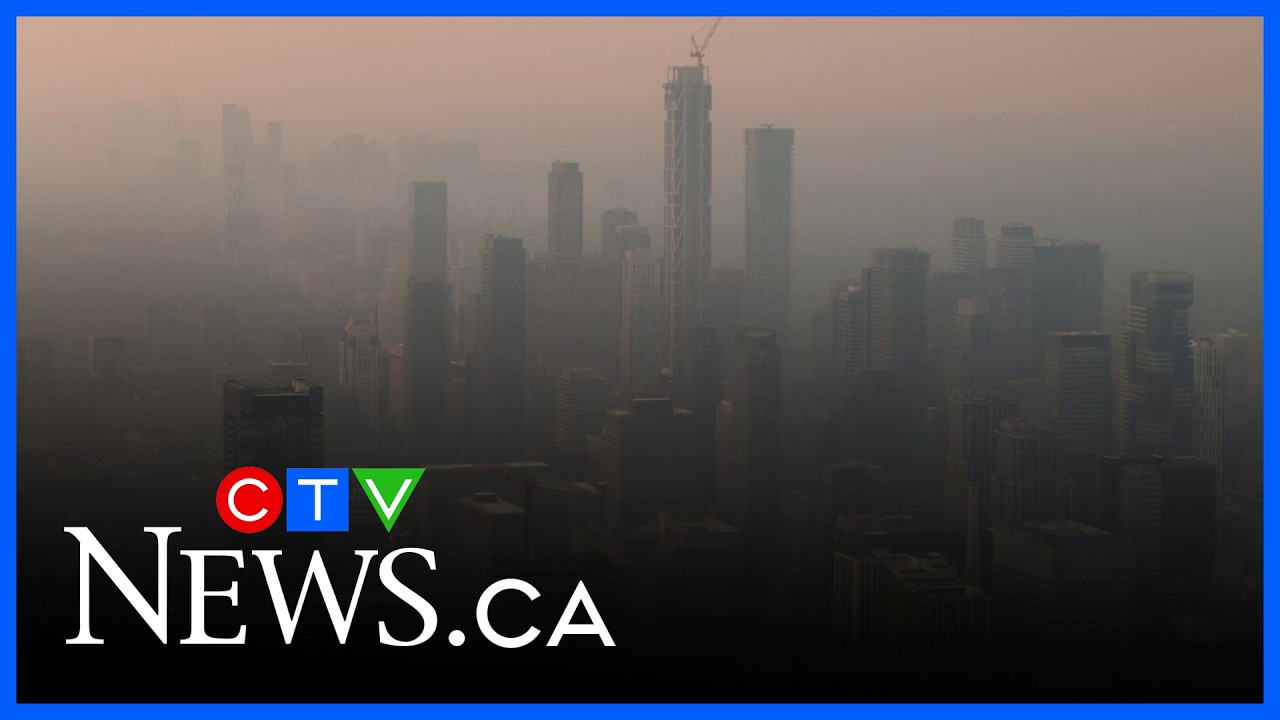
The air quality in Toronto has recently shown signs of improvement, allowing residents to step outside once again. As the city is still under an orange air quality warning, the change in conditions is both timely and welcome for many. The skyline, once obscured by smoke, is becoming clearer, and while the intensity of the situation varies, citizens are cautiously optimistic about the air quality in their city.
Residents like Andrew Vasilic expressed relief as they ventured outdoors, noting that the visibility was indeed better compared to the previous days. "Today seems better," he said, reflecting the collective hope that the current improvement might signify a longer-lasting change. With Environment Canada upgrading Toronto’s air quality rating from a high-risk 10 to a low-risk 2, people have been quick to take advantage of the temporary reprieve.
For some, like Spencer and his dog GG, the improved conditions allowed them to take their first walk in two days. “She’s been stuck inside. Can’t even let her on the balcony,” he lamented, emphasizing the emotional toll on pet owners unable to maintain their routines. While many returned to outdoor activities, others remained cautious, fully aware of the volatile nature of air quality in the region. One parent, concerned for her two children, decided to head home despite the perceived improvement, illustrating the careful balance residents must maintain between enjoyment and health considerations.
However, the city government responded by suspending a range of outdoor activities. Popular events like Camp TO and public field trips were put on hold, and city-operated outdoor pools remained closed. Robin and her five-year-old son, Tondo, arrived at a pool only to find it shuttered, leaving them understandably disappointed. “Definitely disappointing,” she said, voicing her understanding of the precautions, but clearly wishing circumstances were different. The sparkling water might have looked inviting, but safety clearly took precedence.
Interestingly, some beaches in the city remained unguarded as well, leading to questions about the inconsistent enforcement of safety measures. "I think it’s not bad today," one beachgoer noted, referring to the visibly improved skies. Yet, despite such personal evaluations of air quality, authorities insist on erring on the side of caution.
The underlying dynamic of air quality in Toronto is shaped significantly by external factors, especially wildfire smoke that shifts with changing wind patterns. As the wildfires continue to rage, adjacent areas like London are still grappling with hazardous air. “Conditions can change quickly,” cautioned environmental experts, emphasizing the need for continued vigilance despite the momentary clarity.
As of today, while Toronto may bask in moderately improved air quality—with the current rating at a six, indicating moderate risk—the atmospheric conditions remain fluid. A wind shift expected later today could bring back poorer air quality, reminding residents that the ground they stand on remains precarious. Specialists warn that what feels like a breath of fresh air could quickly regress as soon as winds shift, pushing smoke back into urban areas.
In sum, while the fleeting moments of clearer skies offer hope to Torontonians, the reality of wildfire impacts is a stark reminder of nature’s unpredictability. Improving air quality is encouraging, but residents must remain informed and prepared for potential changes. The ongoing situation reflects a larger narrative about climate dynamics and public health, underscoring the importance of remaining vigilant. As we navigate this uncertain period, maintaining a close eye on air quality updates becomes essential for safeguarding health and well-being.
As the situation unfolds, residents hold onto hope but recognize the need for caution. With community resilience on full display, Toronto continues to adapt, finding ways to embrace the outdoors while respecting the volatile atmosphere.