Northern Ontario Wildfires: A Growing Crisis
As northern Ontario continues to grapple with rampant wildfires, the situation has escalated into a significant emergency. Currently, there are 191 fires raging across the province, with 81 of these classified as out of control. The implications are dire; eight to ten communities have already undergone evacuations, while another four are preparing for possible displacement. This unfolding crisis underscores the urgent need for effective crisis management, community support, and a robust response system.
Over 150 fire crews have been mobilized in conjunction with more than 80 aircraft, including water bombers and helicopters, actively battling the blazes. Additional resources remain on standby, poised to be deployed in the hardest-hit areas. This orchestrated effort aims not only to combat the flames but also to safeguard the lives and properties of the affected residents.
Ontario Premier Doug Ford addressed the gravity of the situation in a recent update, acknowledging the challenges faced by crews attempting to reach impacted communities. "It’s very difficult to fly in to these communities on dirt runways when the fire is going and smoke is filling the air," he explained. The primary focus is on ensuring the safety of those at risk, a task that has seen some success despite the overwhelming circumstances. Reflecting on the scale of the disaster, Ford pointed out that this year has already surpassed last year’s devastating figures, with approximately 650,000 acres burning compared to 600,000 hectares in 2022. Thankfully, there have been no reported fatalities associated with the fires.
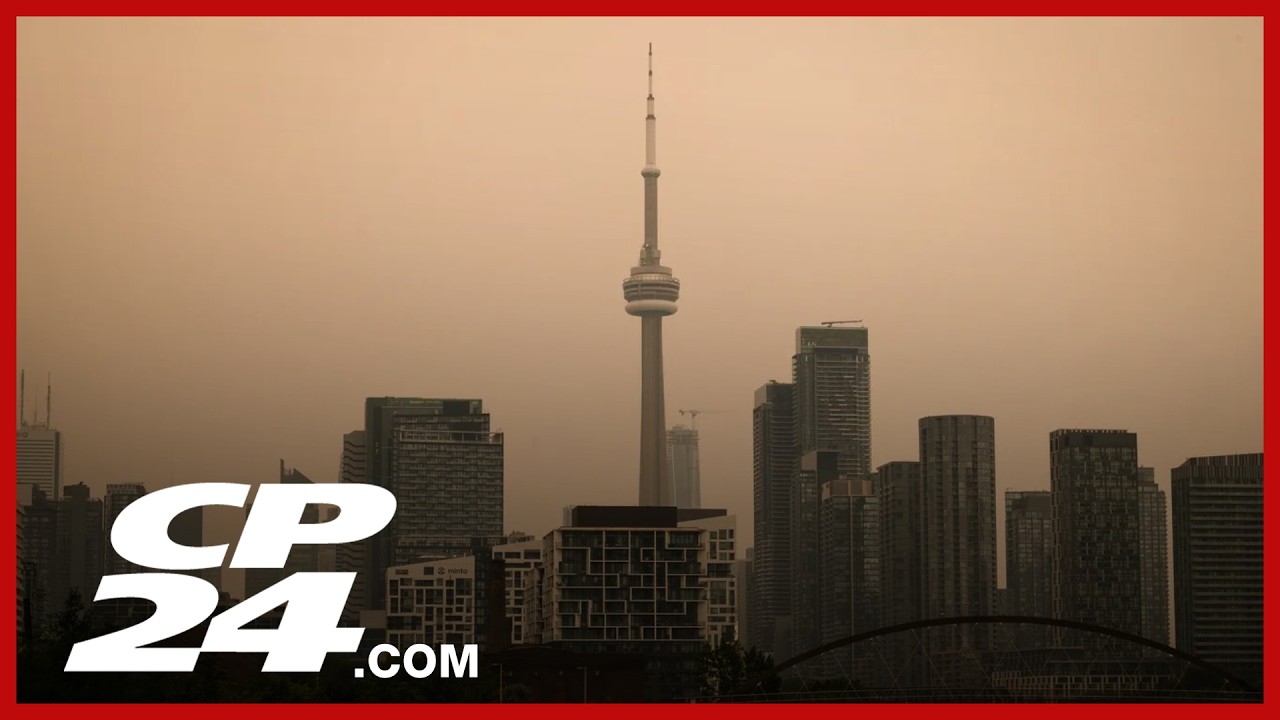
The ramifications of this ecological crisis extend beyond the boundaries of northern Ontario. Smoke from the wildfires continues to compromise air quality in the Greater Toronto Area (GTA). In response to this, the Premier plans to visit Thunder Bay, actively engaging with officials and first responders.
In the GTA, conditions have worsened, impacting daily life. Melissa Dugen from CP24 provided a bleak assessment of the air quality, noting a return to a gray, hazy sky reminiscent of earlier days during the crisis. While an initial improvement offered a brief respite earlier, air quality readings revealed a quick deterioration. The Environment Canada air quality health index has surged from a previously rated low-risk level of three to a moderate risk of four, with projections that it may soar to a concerning ten plus by nightfall. This alarming trend reflects the ongoing volatility of the situation, largely dictated by changing wind patterns that carry the smoke from the fires.
Mayor Olivia Chow has been keenly aware of the impact on community events. With various gatherings and festivities planned for the weekend, she indicated that major events, like the FIFA Fanfest for the World Cup, are still set to proceed. However, uncertainty looms, and adaptations may be required should air quality worsen further.
The city’s Medical Officer of Health has weighed in on the health implications of continued exposure to smoke, particularly particulate matter 2.5 (PM2.5) found in the smoke. Initial symptoms include eye irritation, sore throats, and headaches. However, chronic exposure poses more severe health risks, which have been linked to cancers and developmental issues in children and pregnant women. This worrying data highlights the necessity for residents to take precautions and stay informed.
Given the dynamic nature of the current state of affairs, City Hall has advised residents to remain indoors when possible, wear masks outside, and stay updated on air quality conditions. Outdoor facilities such as city pools and beaches have also been closed as a precautionary measure.
In summary, the wildfires in northern Ontario represent more than just an environmental disaster; they encapsulate a larger crisis influencing community well-being, health, and air quality across a broad region. The coordinated efforts from government bodies, emergency responders, and health officials continue to focus on mitigating damage and ensuring public safety, yet the ongoing conditions remind everyone that the situation remains fluid and precarious. The need for vigilant community support and preparedness has never been more vital.