Understanding the Implications of President Trump’s Latest Health Summary
After a notable silence, the White House has finally issued a summary of President Trump’s recent annual physical exam conducted at Walter Reed Medical Center. This disclosure comes amidst growing public curiosity and concern surrounding the health of the President, particularly given his impending birthday and the nature of some of the observations made during the medical check-up.
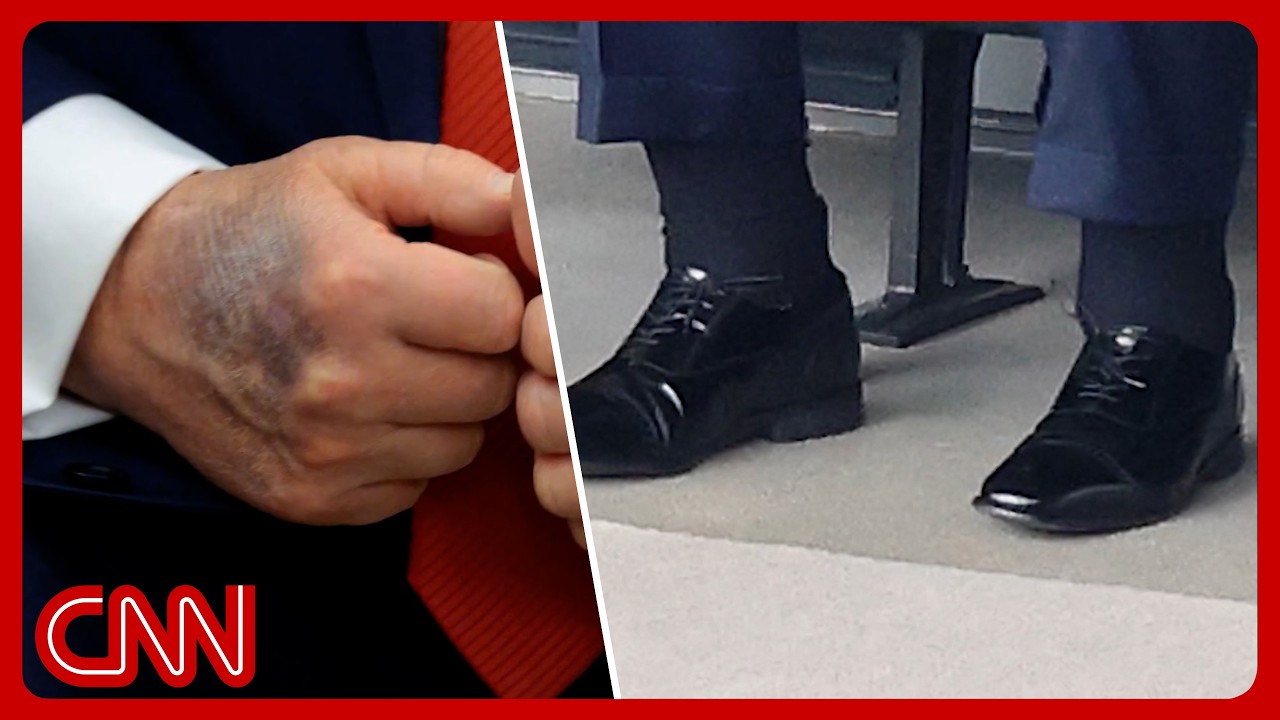
The report drew immediate attention, especially around observations of hand bruising, which had been discreetly covered by makeup. According to Dr. Jonathan Reiner, a medical analyst at CNN, these bruises were linked to "minor soft tissue irritation related to frequent handshaking." While such bruising can occur, it raises questions about the extent of the President’s handshaking activities. Moreover, the simultaneous bruising on both hands appears inconsistent unless there is significant left-handed shaking happening. A more pressing question remains: why is the President taking a higher dose of aspirin than typically recommended for cardiovascular protection? Increased use of this medication may account for the bruising but introduces its own set of health concerns.
In addition to the hand bruising, Dr. Reiner pointed out a key aspect of the report: President Trump underwent a coronary artery CT scan. While this test can be valuable, its frequent repetition, particularly in the absence of any disclosed symptoms, could indicate a need for closer monitoring. The summary lacked a comprehensive review of symptoms, which typically involves assessing the patient across multiple systems. Absence of details on issues like headaches or chest pain leaves a gap in understanding Trump’s current health status.
Interestingly, the report concludes with the standard declaration that the President is deemed "fit for service as commander-in-chief." This phrase has become a hallmark of presidential medical summaries, assuring the public of the President’s capacity to fulfill his duties. Yet, this statement feels particularly crucial given the ongoing speculation regarding his health, a point punctuated by visible symptoms such as fatigue and swelling in the lower extremities.
The report noted slight swelling in the President’s legs, an issue that Dr. Reiner suggested indicates a potential deterioration from the previous year, contrary to claims of improvement. These fluctuations in health indicators raise questions concerning ongoing monitoring and management. While the summary boasted that an AI evaluation found the President’s cardiac health to be fourteen years younger than his actual age, this assertion drew skepticism from medical professionals. Many laughed at its validity, as it lacks clinical acceptability and does not represent a reliable measure of cardiac health.
Furthermore, the delayed release of the medical report itself feeds into a narrative of secrecy and apprehension surrounding the President’s health. Historically, results from presidential health exams are released expeditiously, often within days. This delay raises concerns that unflattering or worrisome information might exist within the report—information that the administration might prefer to conceal from the public eye.
Ongoing concerns about the President’s appearance, including observed swelling, bruising, and episodes of fatigue during public appearances, are only heightened by the aging factor; he is approaching the milestone of eighty years. Dr. Reiner noted that the combination of these manifestations—ranging from increased sleepiness to a concerning level of midday fatigue—should be taken seriously. The public deserves transparent communication regarding the health of their leader, particularly one entrusted with critical decisions affecting national security.
In summary, while the White House report claims that President Trump is fit for duty, lingering questions about his health warrant further exploration. Significant observations—covering everything from hand bruising to increased fatigue—pose important considerations for both medical professionals and the electorate. Vigilance and transparency will not only promote trust but also ensure the health of the leadership at the highest level of government is a public priority.