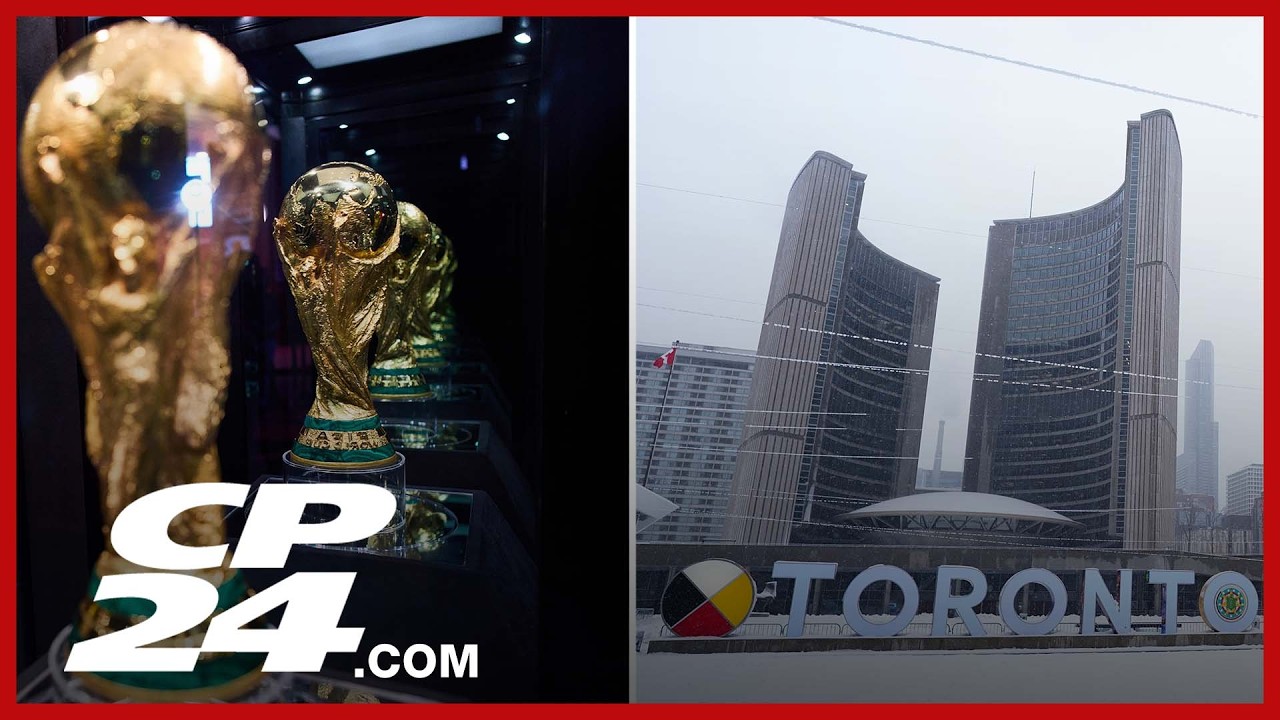
As the FIFA World Cup approaches, cities like Toronto are buzzing with anticipation not just for the matches but for the influx of visitors this event promises. Recent data reveals that searches for accommodations in World Cup host cities, particularly those in Canada, have surged. According to Airbnb, there has been an 80% increase in searches compared to the previous year. In response to this growing demand, Airbnb has introduced a new cash incentive designed to attract more hosts to list their properties.
The heightened interest in short-term rentals coincides with warnings from industry experts about potential accommodation shortages and rising costs—issues that are particularly pronounced in Toronto. The situation is compounded in Vancouver, which is also preparing for significant visitor numbers during the tournament. The anticipated surge is prompting discussions on how to effectively manage available housing in what could become a high-pressure environment for tourists looking for a place to stay.
The prospect of renting out property has not gone unnoticed. Many property owners, like Bill, who lives near Toronto’s waterfront, are contemplating the financial benefits of participating in platforms like Airbnb. However, he expresses skepticism borne from past experiences. Issues of enforcement, particularly concerning “ghost hotels”—properties that violate local regulations—cast a shadow over the burgeoning rental market. Bill acknowledges the potential for profit but emphasizes the risks associated with entrusting one’s space to strangers, especially when personal belongings are involved.
Concerns regarding fraudulent listings add another layer of complexity for potential property renters. As demand ramps up, some individuals may look to take advantage of the panic surrounding accommodation shortages. The fear of encountering “ghost listings” or scams becomes increasingly pertinent. Many expect to hear stories in the lead-up to the tournament from travelers who arrived only to discover their rentals were non-existent or uninhabitable.
Further complicating the landscape of safety and security in urban settings are reports of rising crime rates, particularly in nightlife districts. Incidents of gunfire, such as those reported on Queen Street and Keel Street, remind residents that the vibrancy of city life can be marred by violence. Although police investigations continue, community sentiments reveal a growing concern about safety in neighborhoods frequented by tourists.
This dual challenge of promoting tourism while ensuring public safety is a delicate balancing act for city officials. Local leaders emphasize the importance of enhancing the visitor experience while also ensuring that residents feel safe and secure in their environments.
Shifting gears, the topic of small business support is coming to the forefront as well. With many local entrepreneurs still grappling with the aftermath of the pandemic, city initiatives aimed at providing financial relief are crucial. Recently, Mayor Chow announced an increase in the small business property tax discount to 20%, a measure designed to ease the financial burdens that have accumulated over time.
This initiative is projected to benefit approximately 28,000 businesses in Toronto, showcasing the critical role small enterprises play in the city’s ecosystem. Not only are they essential for job creation, but they also contribute to the cultural vibrancy that is woven into the fabric of urban life. Events like the anticipated revival of “Taste of the Danforth” serve as reminders of how community spirit can be rejuvenated through collective effort and support.
As the city gears up for the World Cup, it faces the dual challenge of accommodating an influx of visitors while simultaneously safeguarding the interests of its residents and local businesses. This complex interplay of factors will shape Toronto’s landscape in the coming months, setting the stage for an event that could redefine its cultural and economic landscape.
In conclusion, the World Cup signifies more than just a series of matches; it encapsulates broader themes of community resilience, urban safety, and economic opportunity—elements that will resonate long after the final whistle has blown. As all stakeholders prepare for this momentous occasion, the lessons learned could pave the way for a more sustainable and vibrant future for Toronto and beyond.