Winter Storm Impacts Operations at Toronto Pearson Airport
As winter continues its icy grasp on much of Canada, Toronto Pearson International Airport is witnessing significant operational challenges. Spokesperson Shawn Davidson recently shed light on the ongoing winter weather’s effects, especially concerning the airport’s deicing processes and overall flight schedules.
Deicing Operations Under Pressure
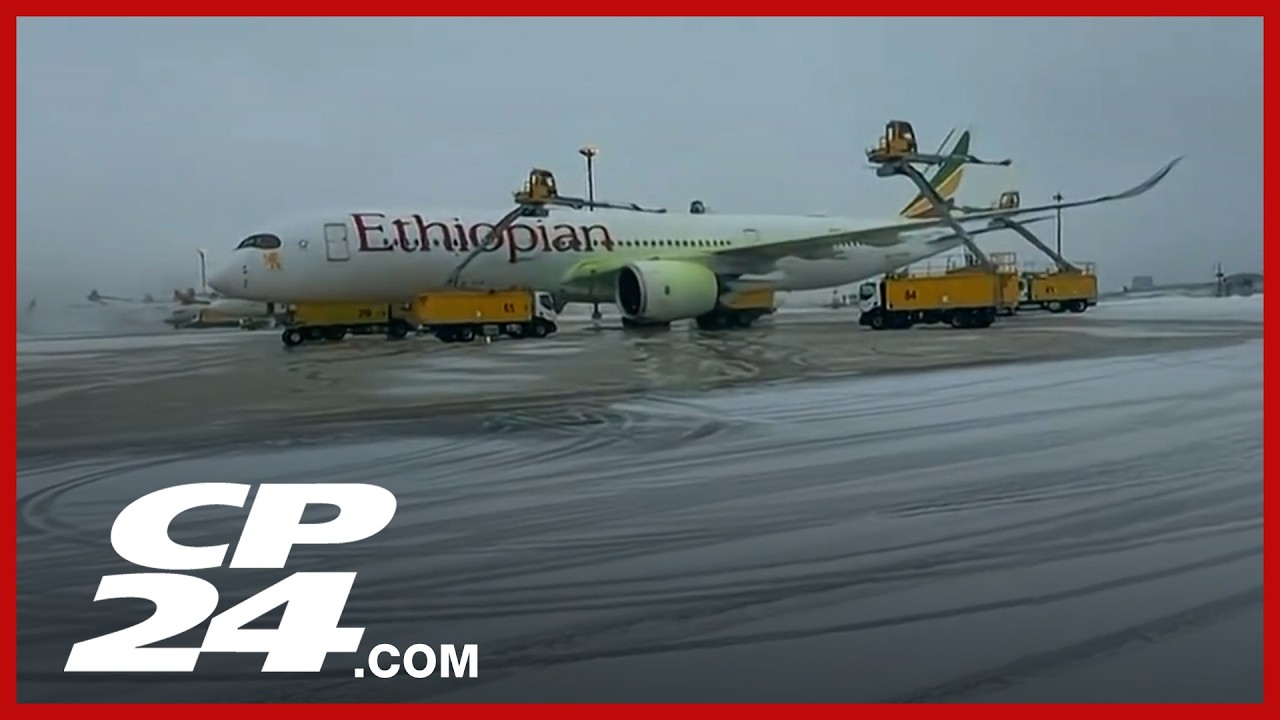
At the heart of the airport’s efforts to maintain operations during this storm is the Central Deicing Facility, currently operating at full capacity. The facility has been extremely busy since the morning hours, a reality that Davidson describes as a direct response to the "intense winter" Toronto has been experiencing, characterized by record-breaking snowfalls in December and January. He noted that approximately 17,700 aircraft have passed through this facility since the onset of the winter season.
The current weather poses a unique challenge: a mix of snow and ice pellets necessitates the use of different types of deicing fluids. Cleaning ice off the wings and fuselage is crucial for safe takeoffs, and today’s conditions have made this task particularly complex. Deicing crews have been working tirelessly, ensuring that every plane is cleared of ice before it can make its way to the runway.
Flight Cancellations and Schedule Delays
As a direct consequence of the adverse weather, flight operations have faced notable disruptions. Davidson confirmed that by late morning, 96 departing flights and 97 arriving flights had been canceled. Although the terminals might be quieter than usual due to foreseen cancellations, the team at the deicing facility remains fully staffed and focused on ensuring that all operational needs are met.
To manage the reduced throughput, Pearson Airport has implemented traffic management initiatives. These strategies are designed to slow down departures and arrivals, allowing more time for clearing taxiways and runways. Consequently, the impact of winter weather is carefully balanced by operational measures aimed at ensuring safety for everyone involved.
Preparing for the Evening Rush
As evening approaches, the situation may become more challenging. With snowfall expected to persist, passengers are advised to check their flight statuses regularly before heading to the airport. Davidson emphasized the importance of allowing additional travel time to and from the airport, as road conditions across the area are also impacted by the ongoing winter storm.
Assurance from the Deicing Team
A pivotal aspect of the deicing process involves applying a green liquid deicing fluid to the aircraft, which is visible from the facility. This fluid plays a crucial role in preventing snow and ice from accumulating during a plane’s taxi towards the runway. Each aircraft undergoes specific treatments based on the weather conditions, with real-time monitoring ensuring that the right fluid is applied as needed.
Davidson’s remarks highlight the extensive preparation that goes into managing winter storms. The combination of manpower, specialized equipment, and a proactive approach ensures that Toronto Pearson can endure even the harshest of weather conditions.
Conclusion
The ongoing winter storm is undoubtedly testing the resilience of operations at Toronto Pearson Airport. From extensive deicing procedures to managing flight schedules, the airport remains committed to ensuring passenger safety and satisfaction. While inconveniences are inevitable during such harsh weather, the thorough preparations and diligent efforts of the airport staff are crucial for maintaining operations and mitigating the storm’s effects. As travelers navigate affected schedules, it is a reminder of the complexity and challenges faced by aviation during winter months.