July 4th Celebrations: A Divisive Affair Amid America’s 250th Birthday
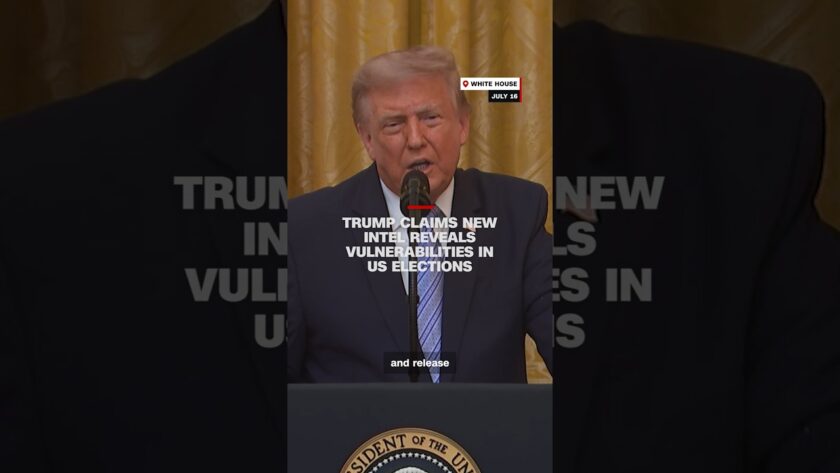
As the United States approaches its 250th anniversary, the celebrations reflect more than just a moment of national pride. They serve as a backdrop for heightened political tensions. This year, House Democrats have accused former President Donald Trump of appropriating the anniversary for his own purposes, specifically through his initiative, Freedom 250. Allegations surfacing from a recent report claim that donors who intended to contribute to the bipartisan America 250 were instead directed to Trump’s parallel initiative without their knowledge. Should these charges hold water, they could potentially amount to wire fraud.
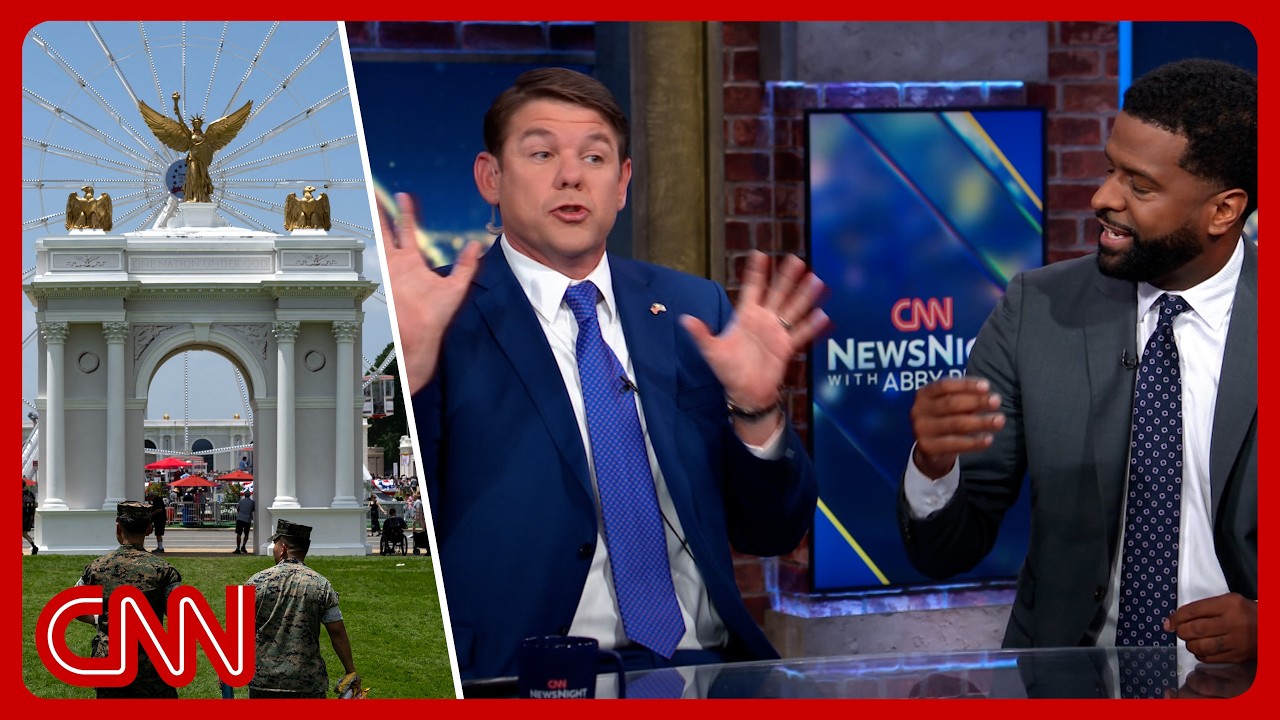
Created last year, Freedom 250 aims to organize July 4th events that align closely with Trump’s political agenda. It includes the Great American State Fair, which has struggled to attract attendees, raising questions about the engagement of the public with this ostensibly celebratory event. Meanwhile, Trump is poised to take the spotlight, planning a lengthy address amidst oppressive heat—projected to reach around 107 degrees Fahrenheit.
Undoubtedly, this moment could have been an opportunity to celebrate America in a bipartisan fashion. Instead, many argue that Trump’s maneuverings have politicized a historical occasion meant for unity. Political commentator Ashley, speaking candidly, noted, "In this world, especially with Trump being president, anything he does becomes political." Although she refrained from criticizing the turnout, she did emphasize that the celebration’s true spirit seemed lost, overshadowed by political strife.
The juxtaposition of recent events is glaring. Crowds were drawn in droves for the FIFA World Cup broadcasts, where thousands gathered in anticipation of their teams. In contrast, the National Mall felt undeniably deserted, prompting concerns over whether the day itself would resonate as a moment of national acknowledgment or become a platform for narcissism.
Trump himself has expressed anxiety about crowd sizes and public reception. In a recent statement, he expressed his desire for a packed crowd while hinting at potential media backlash if attendance fell short. He stated, "If we have two empty seats, you know what’s going to happen? The fake news is going to say he didn’t fill out the arena." This fixation on numbers reveals a deeper concern about public approval and the optics of his presidency.
Notably, Democratic Congresswoman Bonnie Watson Coleman has voiced her disappointment, describing Freedom 250 as a "vanity project" that detracts from the celebration’s essence. Rather than embracing America’s multifaceted identity, critics allege that events like the Great American State Fair cater predominantly to a particular ideological base, notably conservative and Christian audiences, leaving many feeling unrepresented.
Moreover, logistics have further exacerbated the situation. The planned festivities, including a concert featuring Vanilla Ice, have been marred by cancellations and overwhelming heat, forcing some indoor booths to close due to system failures. Even Trump’s projected grand fireworks display, intended to break a Guinness World Record, has been set for a late evening, well past the optimal viewing hours—potentially diminishing audience turnout even further.
This year showcased a stark departure from America’s past celebrations, such as its 200th birthday, which saw large-scale public engagement and a sense of unity. Organizers of America 250, established nearly a decade ago and intended to be non-partisan, initially mapped out a celebratory plan that embraced the full tapestry of American culture. Now, it appears overshadowed by a more divisive narrative.
As July 4th approaches, it serves as a reminder that the nation’s birthday can also underscore the rifts that separate its people. While the core ideals of American independence should ideally unite, the charged atmosphere cast by Trump and his initiative, Freedom 250, complicates that narrative, making it hard to distinguish between celebrating one’s country and engaging in political theater.
In the end, what should be a jubilant occasion of reflection and celebration risks becoming a tableau of conflict—one that distracts from the nation’s progress and potential. The question remains whether, amidst this chaos, Americans can come together to truly celebrate their shared identity, with all its complexities and imperfections.