Andy Burnham’s Vision for the Future: A New Era for the UK?
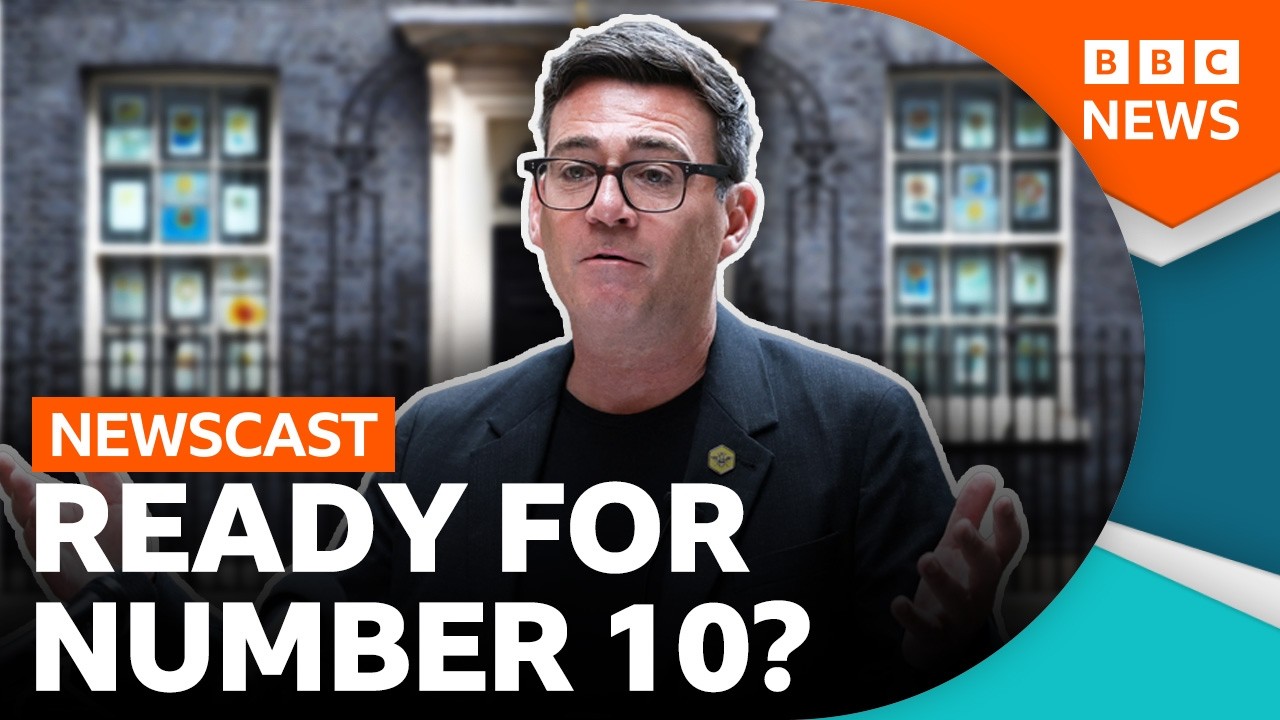
As the political landscape of the UK shifts turbulently, former cabinet minister Andy Burnham aims to redefine governance with his recent speech in Manchester. He proposes a reimagined "Number 10 North," a concept suggesting a division of power that extends beyond the traditional boundaries of Westminster. But the question looms large: Are we ready for this new chapter in British politics?
Burnham’s essence resonates from the very heart of Manchester, a city that has profoundly shaped his political identity since he left Westminster. His vision, encapsulated as "Manchesterism," proposes a governance model that is not strictly ideological but rather a pragmatic approach focusing on tangible outcomes. In stark contrast to Keir Starmer’s assertion that “there is no such thing as Starmerism,” Burnham lays out a clear ideological frame, outlining how a conducive environment for growth and collaboration can reinvigorate regions across the UK.
Observing him during his speech, it was clear that Burnham exuded a sense of comfort rarely seen in politicians. Even the light-hearted commentary on his choice of shorts provided insight into his persona, reflecting a willingness to engage with the public on a human level. His attire—markedly casual compared to traditional political garb—symbolizes a departure from the norms of a formal politician, aligning with his desire to present a more approachable and relatable image.
This approach towards governance seeks to tackle broader systemic issues faced by the populace. Burnham articulated a clear and critical assessment of Westminster: “It hasn’t been working for people and it hasn’t been working for a very long time. In fact, it is broken.” Such a diagnosis frames the urgency for a restructuring of the political apparatus, particularly emphasizing regions outside of London and the South East.
A significant element of Burnham’s proposal is the concept of devolution, where powers are distributed more evenly across the country rather than being hoarded in the capital. He noted, “The job of Number 10 North will be to make power flow into the Midlands, the southwest, the east of England, and yes, London.” This vision aims to empower local communities, allowing them to participate in decision-making processes that affect their lives directly.
However, this ambition brings forth myriad questions. How will this devolution operate in practice? What frameworks will be established to ensure fiscal responsibility while empowering local governments? Burnham has yet to provide detailed answers to these pressing inquiries, which many in the public await with bated breath.
The idea of Number 10 North isn’t merely a symbolic gesture but part of a broader strategy to shift the UK’s governance model. The thought of appointing a deputy chief of staff in Manchester could signify a more hands-on approach to regional issues. Yet, skeptics may wonder how practical it is to decentralize power while ensuring cohesive governance and strategic alignment with national priorities.
Moreover, Burnham’s approach to public services, including his commitment to fixing potholes and building council houses, speaks to the immediate needs of constituents. However, the question remains: Where will the funding for these initiatives come from? With borrowing rules firmly in place, it may be challenging to maintain a balance between ambitious infrastructure projects and fiscal responsibility, especially if economic growth does not meet expectations.
The narrative of Burnham’s vision is sprinkled with optimism, but it also raises concerns about the feasibility of delivering on such grand promises. He has identified a widespread yearning for change, understanding that a stagnant approach will no longer suffice. But to turn his vision into reality, he must navigate the complexities of governance while remaining responsive to the pressing needs of citizens.
Critically, Burnham’s proposed reforms may serve as a litmus test for the Labour Party itself. As he prepares to potentially take the helm of the party—and by extension, the country—prioritizing transparency and accountability will be essential. He must engage with both party members and the public in a meaningful way; otherwise, he risks stepping into office without a clear mandate, relying instead on the goodwill of an electorate eager for change.
In conclusion, as Andy Burnham sets his sights on leading the UK, the nation watches closely. The challenges are significant, but so too are the opportunities. Whether "Manchesterism" can translate into a viable and sustainable governance model remains to be seen. What is clear, however, is that the UK stands at a crossroads, poised for potential transformative change should Burnham’s vision come to fruition.