Navigating the Tensions of Today: Are We on the Brink of Global Warfare?
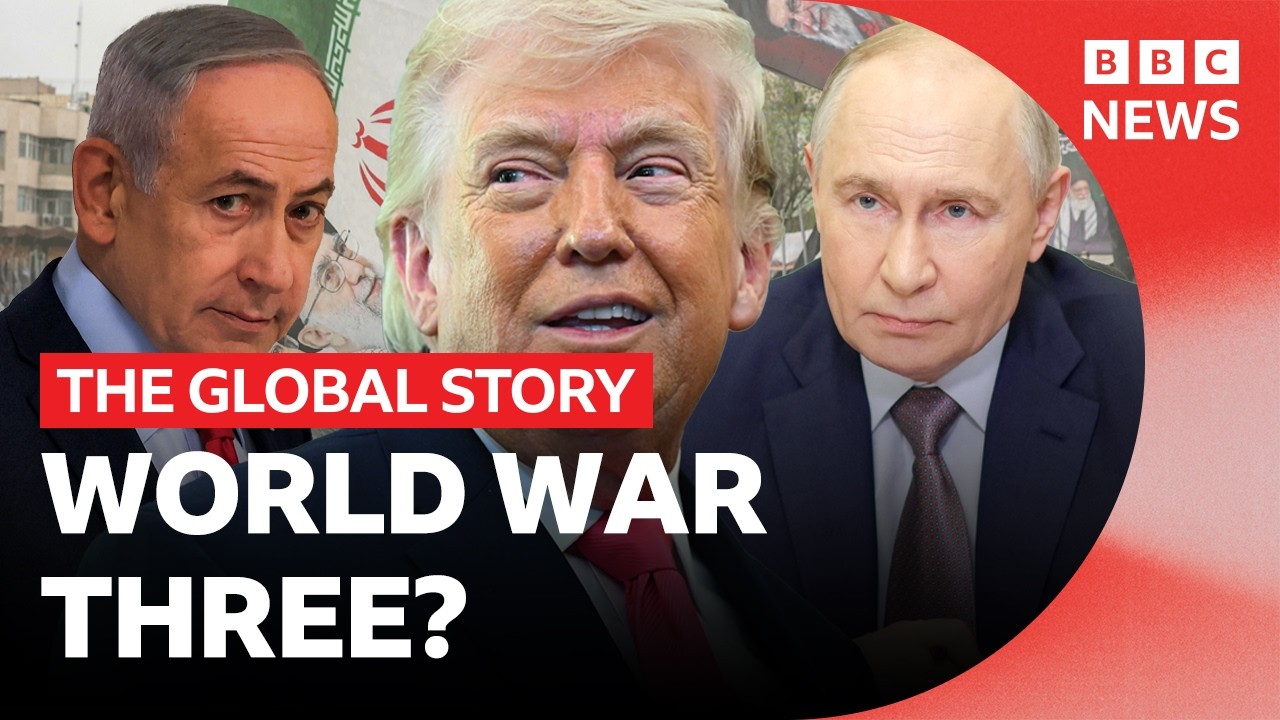
In the complex landscape of international relations today, questions about the potential eruption of global conflict loom large. Recent hostilities, particularly in the Middle East, have reignited fears reminiscent of bygone eras. Indeed, some are asking: Are we on the verge of another World War?
The Current Landscape
The situation in the Middle East has escalated dramatically over a mere three weeks, marking a shift from localized conflicts to broader military engagements involving multiple nations. As Iran’s military capabilities dwindle—its navy, air force, and radar systems have all but vanished—tensions flare in neighboring regions. The alarming expansion of these conflicts raises crucial questions not only about regional security but also about international stability.
In the midst of increasing chaos, the role of leadership has never been more critical. Nations are susceptible to entrapment in conflicts driven by pride, miscalculation, and the urgent need to save face. Historians recall how the First World War ignited, largely through a series of accidents and misjudgments, emphasizing that wars often unfold outside the carefully constructed plans of their instigators. Today, we find ourselves similarly vulnerable.
Triggers for Escalation
Margaret McMillan, a distinguished historian, suggests that key players in the conflict—most notably Iran and its allies—may inadvertently trigger a broader war. Should Iranian proxies start attacking international shipping, the ripple effect could draw further global powers into the fray. The straits of Hormuz may become a contentious focal point, particularly if they disrupt China’s vital oil supplies.
The specter of accidental escalation looms large. In past conflicts, such as the assassination of Archduke Franz Ferdinand, a seemingly isolated event snowballed into a global war. The conditions today mirror those of historical moments ripe for miscalculation—regions fraught with competing interests and simmering national ambitions.
Paths Away from Catastrophe
In analyzing these risks, it is essential to recognize avenues for de-escalation. Glaring economic pressures, particularly in the United States, might push key actors to reconsider their strategies. The political implications for the Trump administration, facing midterm elections, should not be downplayed; public sentiment trends heavily against prolonged military engagement, particularly when economic factors are at play.
There are also indications from Iran that certain factions may be willing to negotiate over nuclear capabilities—an essential element in any resolution. Diplomatic engagement, albeit fraught with complexity, could offer an exit strategy from a cycle of violence.
The Role of Major Powers
The involvement of major powers such as Russia and China complicates the dynamics further. Although they maintain strategic ties with Iran, neither seems eager to engage militarily, potentially keeping the conflict contained. However, as global focus shifts, the risks of opportunistic aggression in other hotspots—like Taiwan or Ukraine—may increase.
McMillan notes that the United Nations, despite its criticisms and perceived ineffectiveness, could still serve as a platform for dialogue. While many adversaries may be skeptical of multilateral oversight, a forum for communication can help avert catastrophic escalation.
Historical Lessons
Reflecting on history reveals that not all regional conflicts have spiraled into global confrontations. Diplomatic interventions, such as those that de-escalated tensions during the Cold War, showcased the importance of proactive communication. Specific cases, like the near escapade of nuclear war during the 1980s, highlight how vital it is to understand opponent perceptions and intentions.
Conclusion
As we navigate through this delicately balanced international landscape, the potential for conflict remains alarmingly real. Yet, amid prevailing uncertainty, there exist mechanisms and historical precedents that could guide us toward peace. De-escalation may appear challenging, but it hinges on diplomacy, mutual understanding, and a recognition of shared stakes. The world today demands not only vigilance but also innovative approaches to dialogue and negotiation that can thwart the march toward global catastrophe.