An In-Depth Examination of Recent Legal Events Highlighting the DOJ’s Stance on Epstein Files, Media Arrests, and Election Integrity Investigations
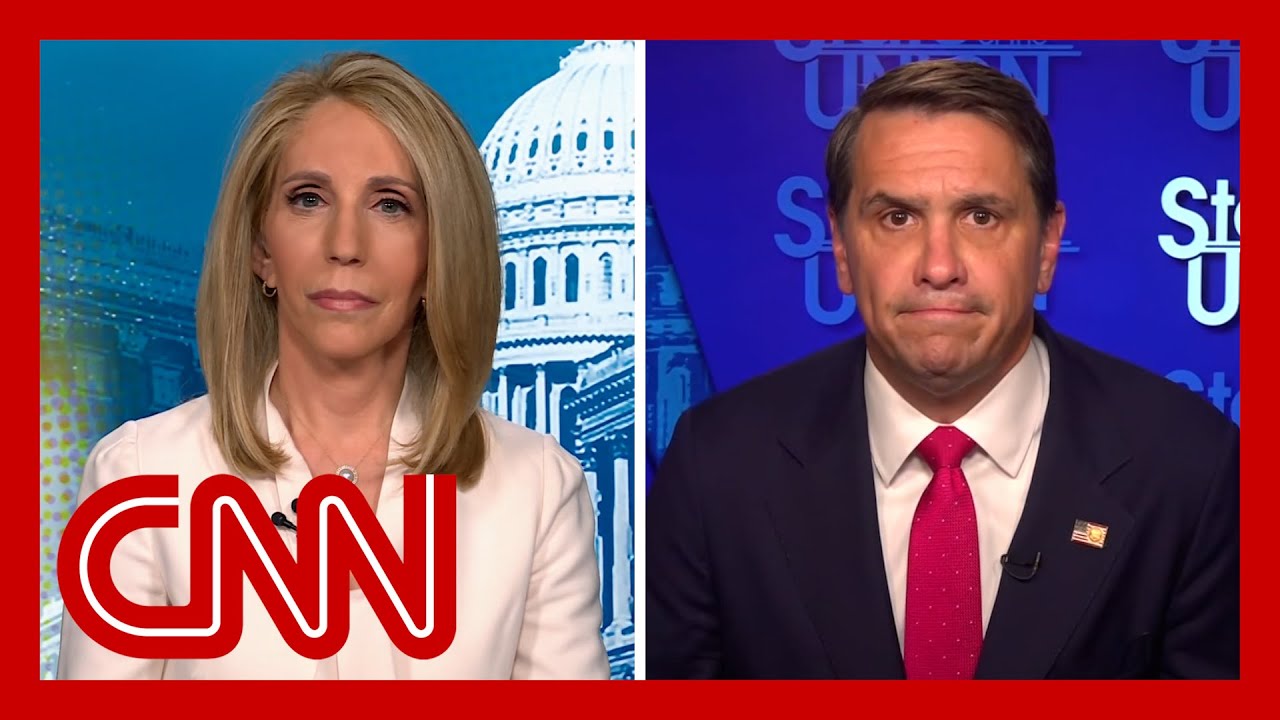
In a recent interview, Deputy Attorney General Todd Blanch addressed several high-profile legal matters that have garnered public attention. Most notably, the discussion surrounding the Epstein files and allegations involving influential figures, including Elon Musk, indicated that a broad scrutiny of these cases is ongoing. Musk contended that the focus should not merely be on the release of these files, but rather on achieving justice for the victims through prosecution of those involved.
Blanch emphasized that the Department of Justice (DOJ) had, as recently as July, reviewed the Epstein files and found no grounds for prosecution. He referenced the massive release of over three and a half million documents related to the case, allowing the public to assess the DOJ’s findings for themselves. "This is not performative," he insisted, affirming that the department adheres to the mandates set forth by Congress and the President. The DOJ has made significant strides in combating sex trafficking and child exploitation during this administration, suggesting that the focus on Epstein should not overshadow the broader, ongoing efforts against these heinous crimes.
The conversation shifted to allegations against former President Donald Trump and the FBI’s handling of these claims. Blanch clarified that the agency’s focus extends beyond any single individual and that the plethora of assertions included in the Epstein files, while numerous, often lack credible sources or corroboration. This reflection on the credibility of sources was crucial, underlining a fundamental principle of investigative ethics: not all allegations warrant prosecution.
Turning to recent arrests involving journalists Don Lemon and Georgia Fort, Blanch faced more pointed queries about the legal rationale for pursuing charges in light of prior judicial rejections. He maintained that probable cause existed, as demonstrated by the grand jury’s decision to indict after assessing the evidence. The grand jury process, involving 25 citizens, ensures that decisions regarding indictments reflect a communal judgment, thus reinforcing the democratic foundation of the legal system.
Despite intense scrutiny surrounding the case, Blanch emphasized that the indictment addresses multiple aspects of Lemon’s conduct, which extends beyond merely reporting as a journalist. The discussion touched upon the delicate balance between freedom of the press and legal accountability, particularly in contexts where public safety and welfare are at stake. As press representatives navigate these tensions, it is crucial to distinguish between traditional journalistic activities and involvement in actions that contravene legal standards.
Amid the legal complexities surrounding these incidents, political ramifications persist, particularly with respect to public perceptions of bias or selective prosecution. Questions arose about whether the actions taken against Lemon were influenced by his high-profile status and public stance against political figures. Blanch was unequivocal in stating that the DOJ does not engage in vindictive practices, reinforcing that the focus rests on legal principles rather than on personal vendettas.
The interview further broached the recent FBI investigation into election integrity issues in Georgia. Following the controversial 2020 elections, significant attention has been given to claims of voter fraud. Blanch reiterated that assertions of fraudulent activities have been repeatedly debunked. However, the FBI’s seizure of ballots and related materials in Georgia signifies a commitment to ensuring transparency and accountability in electoral processes. The involvement of figures like former Director of National Intelligence Tulsi Gabbard in these operations has sparked speculation, though Blanch affirmed that such participation aligns with broader efforts to uphold electoral integrity.
In summary, Deputy Attorney General Todd Blanch’s interview provides a comprehensive overview of ongoing legal challenges and the DOJ’s commitment to maintaining justice and integrity across various domains. As controversies unfold, it remains imperative for institutional actors to navigate these complex narratives, ensuring a balanced approach that upholds both legal and ethical standards. The intertwining of media, politics, and law serves as a reminder of the vigilance required to safeguard democratic principles in an age of heightened scrutiny and contention.