Preparing for a Major Winter Storm: The Challenges of Air Travel and Community Resilience
As winter storms sweep across the United States, the impact is felt far beyond just the accumulation of snow and ice. Airports, cities, and communities are gearing up for an unprecedented weather event that could disrupt thousands of travelers and cause significant infrastructure challenges.
At the heart of this frigid battle is Atlanta’s Hartsfield-Jackson International Airport, one of the busiest airports in the world. As the storm looms, airport officials assure travelers that they are ready. They have prepared over 100,000 gallons of liquid brine, nearly 100 tons of solid deicer, and a mixed salt-sand solution. This level of preparedness is essential. With over 3,300 flights already canceled nationally and more than 6,000 cancellations anticipated for the following day, the situation is critical.
The severity of the situation is exaggerated by the fact that Saturday and Sunday are expected to be the busiest days for air travel disruptions in the past year. Major hubs—including Dallas, Fort Worth, Memphis, and Nashville—are bracing for severe weather, leading to considerable flight cancellations and delays. Airlines are taking steps to mitigate the fallout. Many are offering travel waivers, allowing passengers to change or cancel flights without penalties. This initiative is crucial for maintaining customer trust during such challenging conditions.
Still, it’s not just the airlines that are feeling the pressure. Ground staff are contending with freezing temperatures that hinder operations. At Reagan National Airport, for example, temperatures are predicted to remain below 30°F, making the work of ramp crews especially difficult. Such weather conditions complicate both aircraft de-icing processes and the general ability to manage airport logistics effectively.
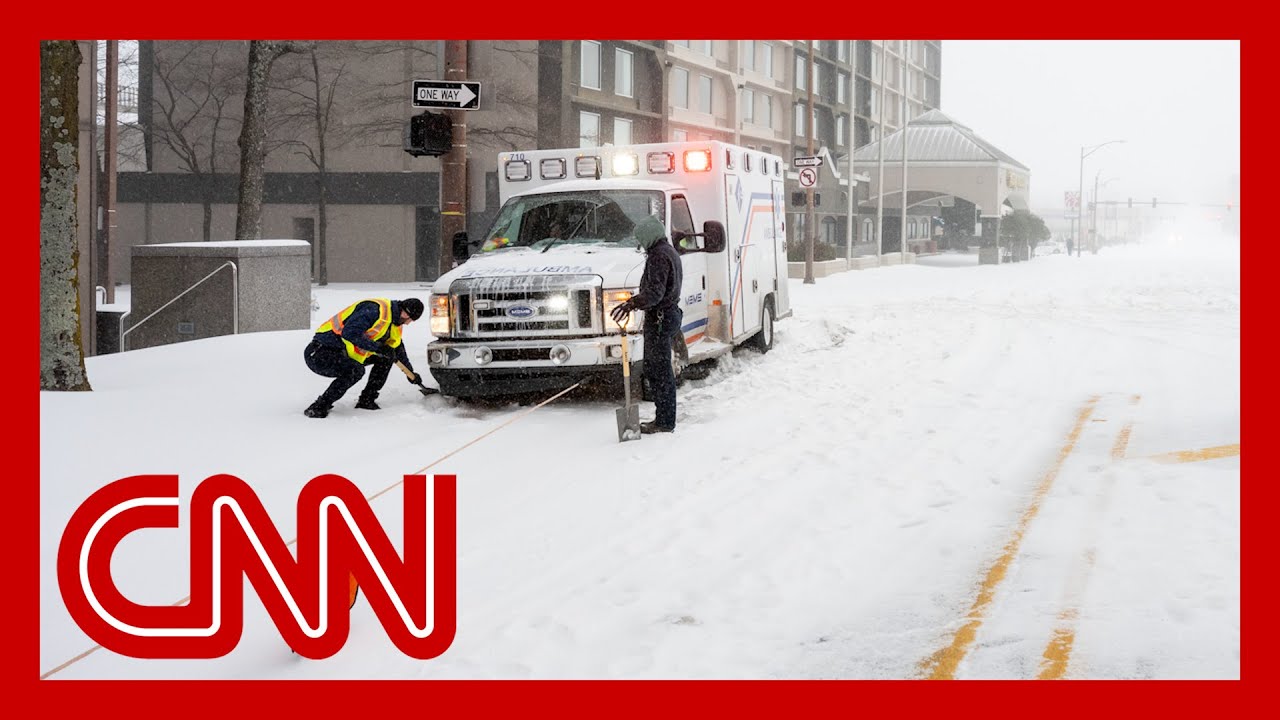
Communities in the path of the storm are also taking proactive steps. Residents across affected areas are securing their homes, purchasing necessary supplies, and salting roads. Volunteers are springing into action, as seen in Washington, D.C., where individuals are helping those unable to clear snow from their properties. The spirit of community resilience shines through as neighbors look after one another during this challenging time.
Reports from affected areas paint a vivid picture of the storm’s wrath. In Dallas, residents have emptied hardware stores of generators and propane supplies as fears of power outages rise. The ongoing memory of a debilitating storm five years ago lingers in the collective consciousness, prompting a heightened state of readiness. In D.C., streets are beginning to show signs of salting efforts, illustrating that municipalities are taking this storm seriously.
As the storm travels eastward, the National Weather Service has issued winter storm warnings from Texas to New England. In Atlanta, the impact is particularly pronounced, with the airport being on high alert due to expected ice and snow. Local officials are emphasizing their readiness, stating that they have been preparing for challenges like this all year. With a workforce of 2,000 sanitation workers managing the snow response, the aim is to minimize disruptions.
What makes this storm unprecedented is its expansive reach, affecting over 1,400 counties nationwide—the highest number recorded in recent memory. This broad spectrum of impact signifies not only the challenges faced by airport operations but also the adaptability of communities facing Mother Nature’s worst.
In Quincy, Massachusetts, officials are tackling the problem of parked cars impeding snow removal efforts using creative tactics. By placing fake tickets on vehicles, they hope to encourage citizens to comply with parking regulations, ensuring that emergency and plowing crews can operate unimpeded.
As the storm escalates, Americans await the worst, replete with uncertainty about travel and daily life. Yet amid the anxiety, the spirit of solidarity and resilience is emerging, showing that communities are ready to face challenges together. This storm may test the limits of both infrastructure and human spirit, but it is in these moments that the best of America often shines through.