Navigating Diplomatic Tensions: The US, China, and the Iranian Trade Blockade
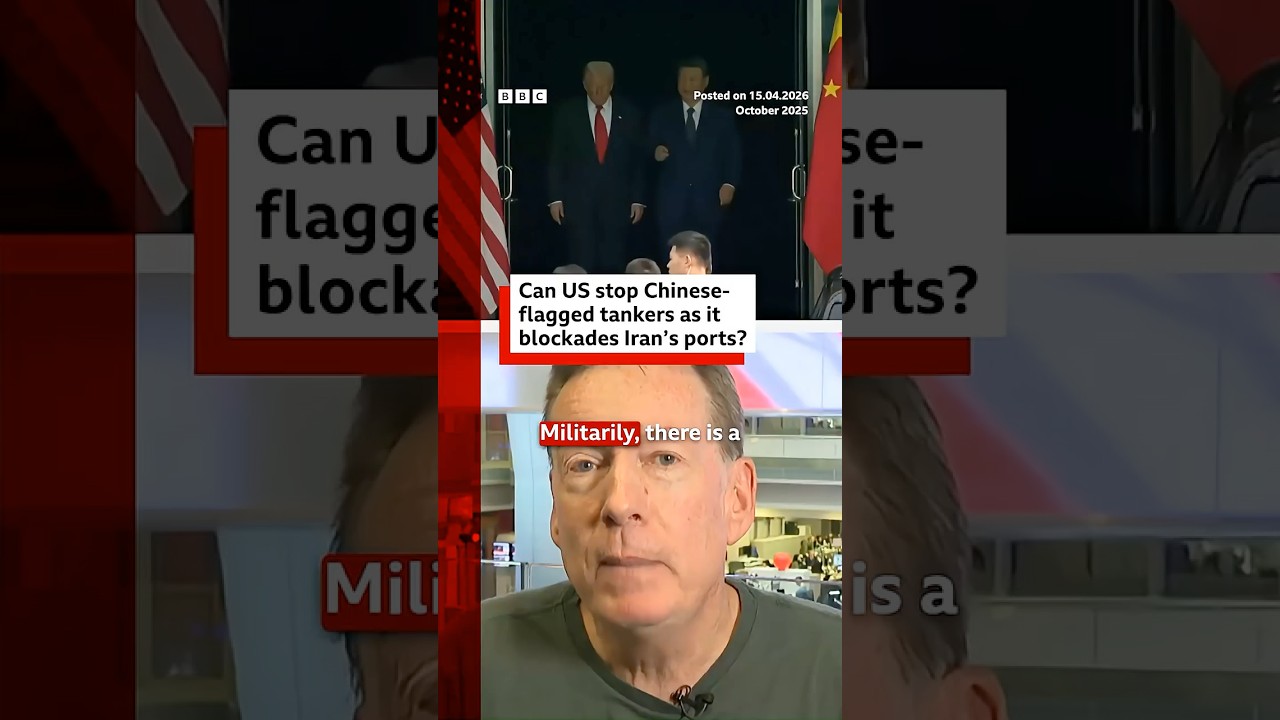
The geopolitical landscape of the Middle East remains fraught with complexity, particularly concerning the interactions between the United States and China. Amid rising tensions, a potential flashpoint looms in the form of US trade blockades on Iran. While both the United States and China seek to avoid confrontation, the possibility of miscalculation exists.
At the center of this tension lies Iran’s port trade, a web intricately tied to global economic interests. The US has imposed rigorous sanctions aimed at crippling Iran’s economy, obstructing all trade flowing in and out of its ports. However, the stakes are not solely confined to Iranian interests; they extend to China, a nation that has been increasingly involved in Iran’s economy.
Consider this: what if a Chinese-flagged tanker, laden with goods destined for Iran, finds itself navigating these treacherous waters? Accompanied by a Chinese warship, this tanker could easily become a catalyst for escalation. The mere act of interdicting or boarding a Chinese vessel raises the stakes dramatically. Such an action risks igniting a military confrontation, a scenario neither Beijing nor Washington desires.
The reality is, China is far too significant to be sidelined in these discussions. Its expanding influence in the region complicates US efforts to enforce sanctions. China maintains a military base in Djibouti, strategically positioned along key maritime routes. This base not only allows for rapid deployment but also underscores China’s commitment to protecting its interests and those of its partners in the region.
Historically, China has conducted escort missions for commercial vessels, demonstrating its willingness to safeguard its trade routes. This has become particularly relevant in the context of heightened tensions. As the US continues to exert pressure on Iran, China may feel compelled to take measures to ensure the security of its maritime assets.
Political leaders, including former President Donald Trump, are acutely aware of these dynamics. Sanctions are not just economic tools; they are instruments wielded in a complex diplomatic game. The implications of these actions ripple outward, affecting relationships far beyond the immediate region. Trump’s administration recognized that any aggressive move against a Chinese vessel would not only provoke backlash but also risk economic ramifications that could extend to the global market.
Diplomatic channels have never felt more essential. The US and China are locked in a multifaceted rivalry that encompasses technological competition, trade wars, and ideological differences. In such a climate, the potential for miscalculation regarding military engagements cannot be underestimated. Both nations are aware that a single misstep could spiral into a larger conflict, with consequences that would extend well beyond their borders.
In analyzing these scenarios, it’s crucial to understand the nuances involved. The actions of one nation often prompt reactions from another, creating a cycle of escalation that can be difficult to break. The intricacies of maritime law, combined with the interests of multiple stakeholders, only add to this complexity. Would a Chinese vessel, under legal obligations to retain freedom of navigation, alter its course in the face of US warnings? Or would it press on, further complicating the diplomatic fabric?
As we look ahead, what’s clear is that cooperation is paramount. The need for dialogue has never been more pressing. Moreover, multilateral forums must seek to address these tensions before conflicts arise. Every approach should aim to reinforce common interests rather than exacerbate divisions.
In conclusion, the situation surrounding the Iranian trade blockade is a microcosm of larger global dynamics between the US and China. Both nations must tread carefully, balancing their national interests against the specter of conflict. A collaborative approach may ultimately pave the way for stability, but achieving this balance will require astute diplomacy and a commitment to preventing escalation. The stakes are high; the actions taken today may shape the geopolitical landscape for years to come.