U.S. Naval Blockade: A New Dynamic in Maritime Trade
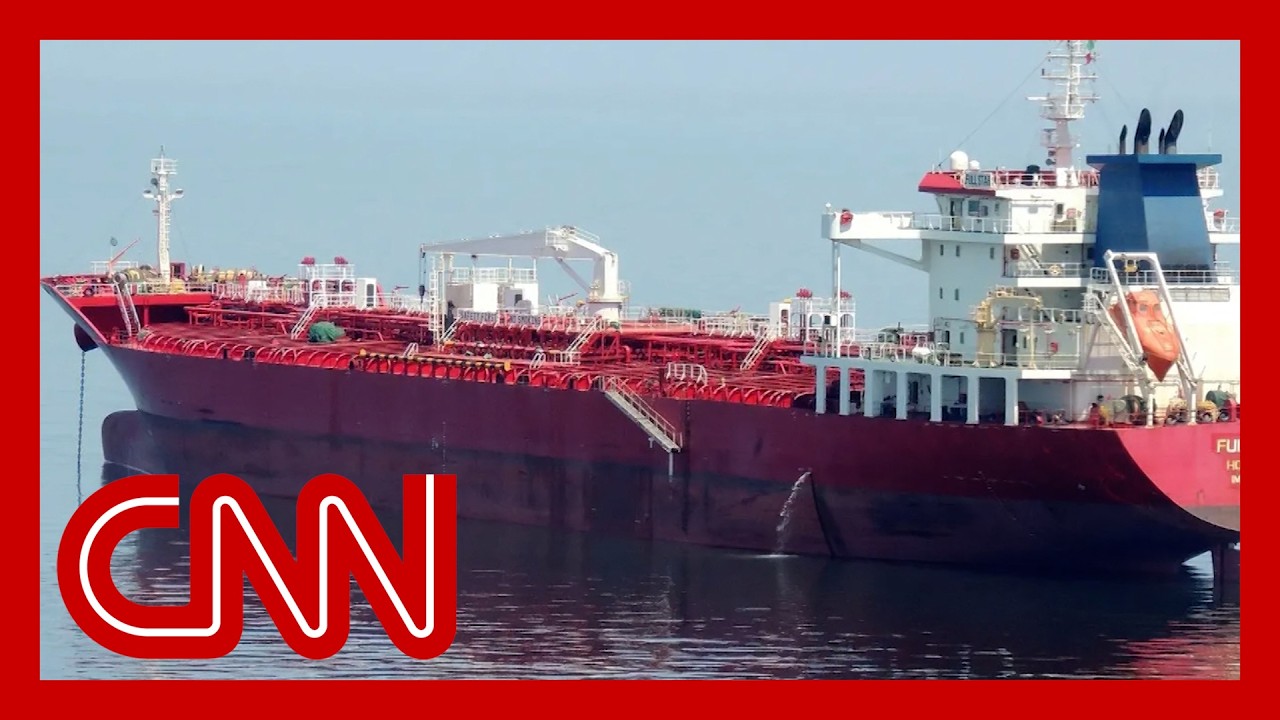
As of 10 a.m. Eastern time yesterday, the United States initiated a naval blockade that has dramatically altered the flow of maritime traffic in the region, particularly in the Strait of Hormuz. Some 17 hours into this operation, reports indicate that the usual flow of vessels has come to a near standstill, with a notable exception. A tanker identified as the Rich Starry, linked to Chinese ownership, has managed to traverse the Strait, raising questions about the blockade’s efficacy and enforcement mechanisms.
Specifically, the Rich Starry is reportedly carrying methanol and had originated from Sharjah in the United Arab Emirates. However, the opacity of maritime tracking, exacerbated by many ships turning off their transponders, complicates efforts to ascertain the specific details of its journey. Initial reports suggested that the tanker had briefly aborted its mission before reattempting its passage through the Strait during the early hours of this morning.
The situation becomes particularly intriguing given that the Rich Starry has been under U.S. sanctions since March 2023 due to its ties to Iran. This leads to broader implications about how the U.S. enforces its blockade. Despite the weight of the sanctions and the blockade, the vessel navigated through the Strait without apparent interference from the U.S. Navy, an indication that the enforcement of maritime laws may not be as stringent as intended.
This ineffectiveness raises critical concerns among shippers, many of whom are now hesitant to proceed with voyages in the region. The dual pressures of negotiating with Iranian forces and complying with U.S. directives create an atmosphere of apprehension. The dynamics of shipping have dramatically shifted, as many operators are forced to reconsider their routes and partnerships.
The blockade appears to aim at curtailing Iran’s olive drab maritime revenue, particularly the funds garnered from toll charges imposed on vessels. As evidence suggests, Iranian-linked tankers have largely dominated traffic patterns since the conflict began, raising alarms in Washington. President Trump has issued stern warnings: any shipper that has engaged with Iran may face indictments, adding another layer of complexity to an already fraught situation.
A statistical lens amplifies the gravity of the matter. Normally, around 130 vessels pass through the Strait of Hormuz on a daily basis. However, since the onset of hostilities, only 453 vessels have navigated this crucial waterway. This stark contrast paints a dire picture of maritime activity in the region, exacerbated by the looming prospect of legal repercussions for engagements with Iranian entities.
Experts in the maritime industry, like Richard Meade, Editor-in-Chief of Lloyd’s List Intelligence, underscore the growing uncertainty among shippers. Prior to the blockade, some operators were preparing to leave, contributing to what seemed to be a surge in activity. However, the announcement of the blockade sent these plans into a tailspin, with most shipping lines choosing to hold their positions until clarity emerges.
The ambiguity is compounded by concerns over negotiations with Iranian entities, which remains fraught with peril. The absence of clear guidelines leaves operators guessing about how to navigate the potential risks of interacting with both the U.S. and Iranian forces. Essentially, shippers find themselves in a double blockade, with both sides presenting threats that curtail operational freedom.
Adding to the murkiness is the financial aspect of maritime transactions with Iran. Reports mention that payments have often been settled using cryptocurrencies or obscured arrangements, complicating efforts to trace who has complied with Iranian tolls. Although some shippers may have engaged directly, the majority opted for evasive tactics, further muddying the waters of accountability.
As tensions continue to escalate, the question remains: Will the U.S. blockade effectively normalize the situation in the Strait of Hormuz? For now, the answer is ambiguous, with little movement on either side. Both shippers and authorities are waiting with bated breath to see how the enforcement strategies will unfold in the coming hours and days.
In this climate of uncertainty, one thing is clear: the dynamics of maritime trade in the region have shifted dramatically, and both international relations and economic interests are at stake. The international community watches closely, as the ramifications of the blockade may ripple far beyond these contested waters.