Unpacking the Epstein Files: Congressional Concerns Over Redacted Documents
In a recent development regarding the Jeffrey Epstein case, the Justice Department has made millions of unredacted records available for select members of Congress to scrutinize. The release has sparked significant concern over the substantial amount of information that remains redacted, especially regarding the identities of potential co-conspirators. This unfolding scenario raises questions not only about transparency but also about the integrity of ongoing investigations into Epstein’s global sex trafficking network.
Representatives Thomas Massie and Ro Khanna have been vocal about their apprehensions after they were granted access to the documents. Massie highlighted that he identified at least six names that were redacted but seemed to be implicated by their inclusion in the files. Khanna echoed these sentiments, emphasizing that even the materials available contained alarming levels of redaction, hampering the investigation.
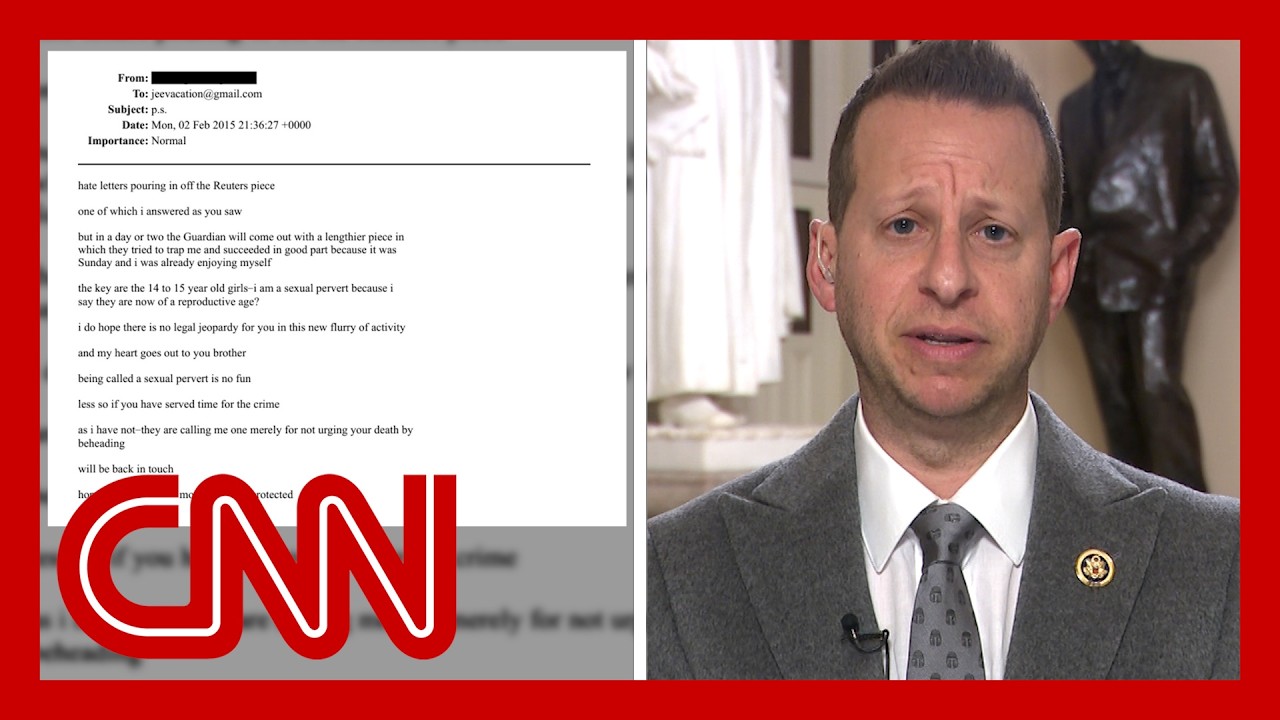
Congressman Jared Moskowitz, a Democratic representative from Florida, who sits on the House Judiciary Committee, shared his insights from viewing the materials. He described the environment within the Department of Justice as disorganized, noting the lack of staff present to facilitate document review. The sheer volume—2.7 million documents—overwhelmed the resources allocated for the review process. He remarked on the complexity of navigating these files, underscoring that many documents were excessively redacted, seemingly without justification or clarity.
Moskowitz was particularly disturbed by the content of the files he did manage to view. He described encountering evidence that indicated a widespread international network facilitating the trafficking of young girls for Epstein, with potential co-conspirators operating from various countries, including Russia and the Czech Republic. As he recounted, communications were recorded in an appalling manner, revealing individuals discussing the sourcing of minors.
The Epstein Files Transparency Act was designed to allow withholding of only specific information—namely, the personal details of the victims and material that could jeopardize ongoing investigations. Yet, the volume of remaining redactions seems to defy these guidelines. Moskowitz expressed that the Justice Department needs to release an unredacted version, suggesting that while victim anonymity is essential, the public deserves to know the names of other individuals involved in these heinous activities.
The situation becomes even more complex with Ghislaine Maxwell, who has emerged once more as a critical figure. At a recent House Oversight Committee hearing, her attorney hinted at a willingness to disclose names that could absolve figures like Presidents Trump and Clinton, should she be granted clemency. Moskowitz characterized this as an apparent quid pro quo, further complicating the public’s quest for transparency. He questioned the rationale behind her recent transfer from a maximum-security prison, suggesting that it might be linked to undisclosed agreements.
Congressman Ro Khanna, who also participated in the review of the documents, emphasized that many redactions shouldn’t have been present. Notably, he pointed out that critical statements from survivors detailing who had assaulted them remained concealed. The failure to fully disclose the names of identified co-conspirators runs the risk of not only undermining justice but also perpetuating a culture of secrecy surrounding powerful individuals who may have exploited their influence.
As Khanna noted, while some redactions might have been warranted to protect certain identities, the excessive nature of the redaction raises significant concerns about accountability. He reiterated that the Justice Department must take a proactive stance in ensuring that these documents are scrubbed more thoroughly to allow for appropriate transparency.
The accounts from both representatives serve to highlight a troubling oversight in the investigation of Epstein’s network. The ongoing inquiries must balance victim protection with the public’s right to understand the full scope of the crime and the individuals possibly involved. With calls from various congressmen to restore transparency and accountability, the path forward remains fraught with challenges, yet essential for both justice and public trust. As this situation develops, state institutions must affirm their commitment to uncovering the truth and ensuring that no individual, regardless of their status, escapes scrutiny.