Protests Erupt in Cuba Amid Severe Energy Crisis
Recent events in Havana, Cuba, have spotlighted the island’s mounting struggles, exemplified by rare but significant protests. Citizens have taken to the streets in response to the nation’s worst power blackouts in decades, which many attribute to a combination of factors, prominently including the ongoing U.S. blockade.
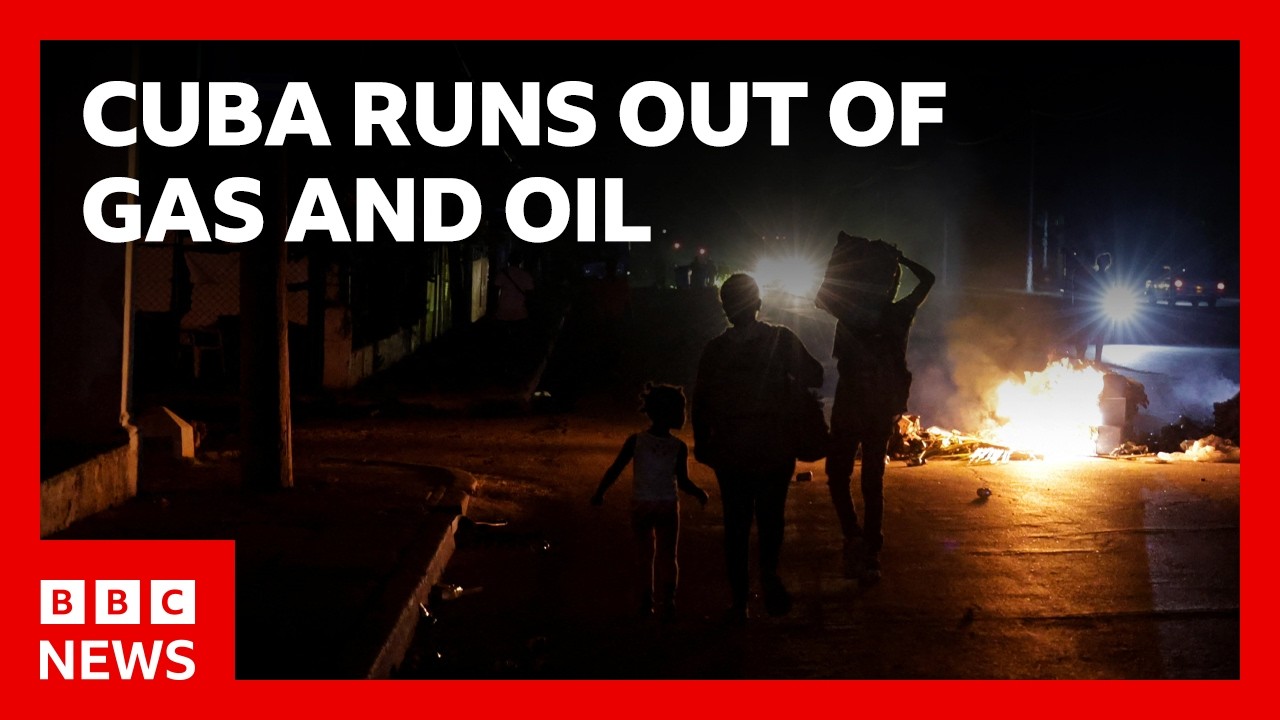
On a notable Wednesday evening, hundreds of Cubans demonstrated in various neighborhoods, expressing their frustration over acute fuel shortages. They blocked roads, burned refuse, and shouted slogans as they conveyed their discontent. This marked the largest single night of demonstrations in the capital since the onset of the energy crisis earlier this year.
Cuba’s energy woes have reached a critical point. The Minister of Energy, Vicante de la Olivia, recently announced that the island has entirely depleted its supplies of diesel, oil, and has only a scant amount of natural gas available. This dire shortage is compounded by U.S. sanctions, particularly tariff threats against any nation willing to sell oil to Cuba. Notably, historically significant suppliers such as Venezuela and Mexico have ceased their fuel shipments, leaving the country in a precarious state. Only one Russian oil tanker managed to navigate through these sanctions, but its delivery has since run dry, plunging the island into a metaphorical and literal darkness.
Daily life for Cubans has become increasingly challenging. Residents recount needing to rise in the early hours—around 2 a.m. or 3 a.m.—to complete essential tasks like cooking or doing laundry during the fleeting moments when electricity is available. Extended blackouts of up to 22 hours are common in urban areas such as Havana, exacerbating an already fragile living situation. Aside from the lack of power, basic goods, including food, have also become significantly scarce. Many people report subsisting on little more than bread, and with refrigeration impossible, preserving perishables has become a daunting challenge.
Discussing potential alternatives, there have been mentions of solar panels as a possible solution. While some humanitarian aid, including solar equipment, has been delivered from countries like Mexico and China, the high cost of solar installations and their dependence on favorable weather conditions make them less than viable for immediate relief. For the time being, Cubans remain trapped in a cycle of daily hardship.
This desperation has fostered an atmosphere of anger, manifesting in the recent protests. Such demonstrations are quite unusual in Cuba, particularly since the government enforces stringent controls over political dissent. This recent upheaval is the most significant public display of grievance since the energy crisis intensified in January. The authoritarian regime often detains political dissidents—many have languished in prison for months or even years without formal charges. Consequently, most challenges to the government’s authority tend to arise from diaspora communities or international observers.
Cubans want change, and they are eager for a resolution to their ongoing struggles. Their mounting frustration coincides with the U.S. government’s renewed offer of $100 million in humanitarian aid, conditional upon Cuba making significant modifications to its political system. While the prospect of aid might seem promising, the attaching strings highlight a complex interplay of politics and human need.
In summary, Cuba faces an unprecedented crisis that has pushed its citizens to the brink. The recent protests in Havana signify not just outrage over energy shortages, but a deeper yearning for change in a country where voices of dissent are often silenced. The hope for a brighter future hinges not only on international support but also on Cuba’s internal governance. As the nation grapples with these challenges, the eyes of the world are watching closely, waiting to see how this complex situation unfolds.