Iran’s Missile Capabilities: New Assessments Undermine President Trump’s Claims
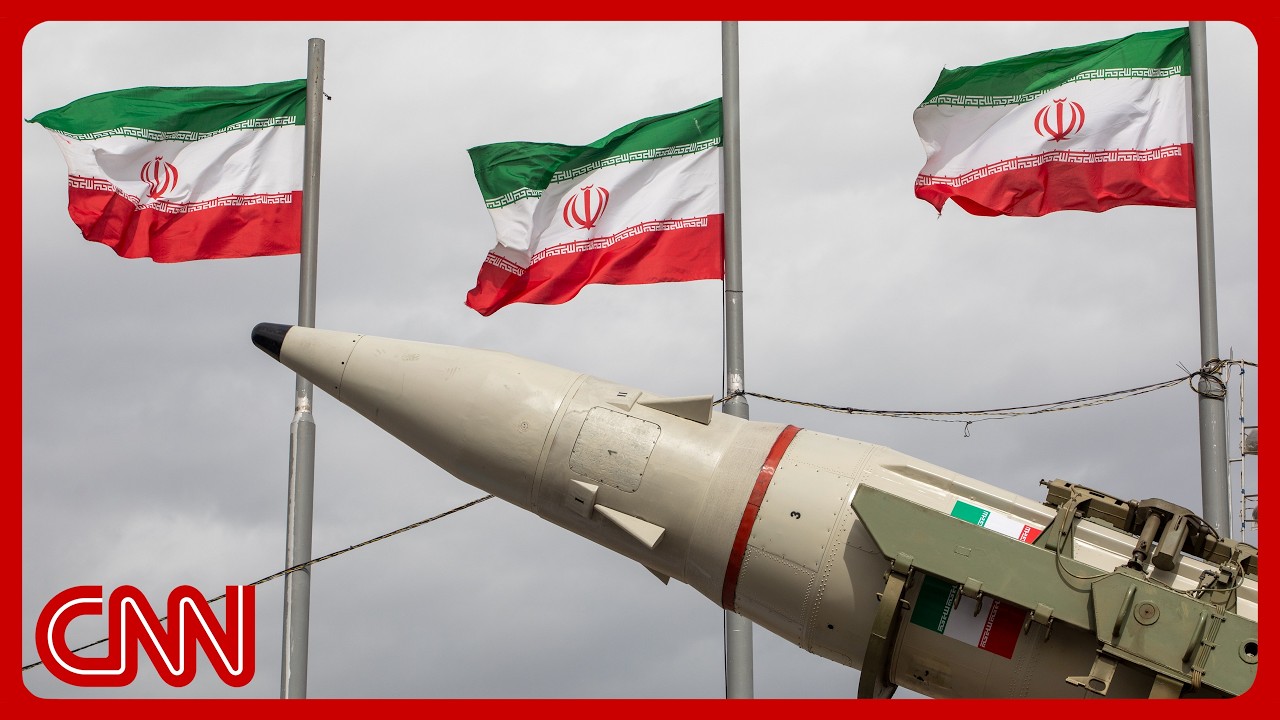
In a revealing report by The New York Times, recent intelligence assessments challenge President Trump’s assertions regarding Iran’s missile capabilities. Contrary to earlier statements suggesting a dwindling Iranian military threat, evidence now shows that Iran has restored operational access to 30 out of 33 missile sites along the Straits of Hormuz. This alarming development poses a significant risk to U.S. naval forces and commercial shipping in one of the world’s most critical waterways.
Operational Missile Sites and Stockpiles
The report underscores the persistence of Iran’s military capabilities. Remarkably, only three of the missile sites remain completely inaccessible, allowing Iran to maintain a formidable arsenal. Additionally, authorities estimate that Iran still possesses about 70% of its mobile launchers and pre-war missile stockpiles, further complicating the landscape of regional security.
As the conflict drags on, even hawkish advisors in the U.S. are becoming increasingly frustrated. They expressed skepticism that the anticipated blockade would compel Iran to negotiate, noting its apparent resilience in rebuilding military capabilities. The dialogue surrounding the efficacy of U.S. military actions is evolving, with growing calls for reassessing the strategy in the context of Iran’s ongoing defiance.
Political Implications and Leadership Challenges
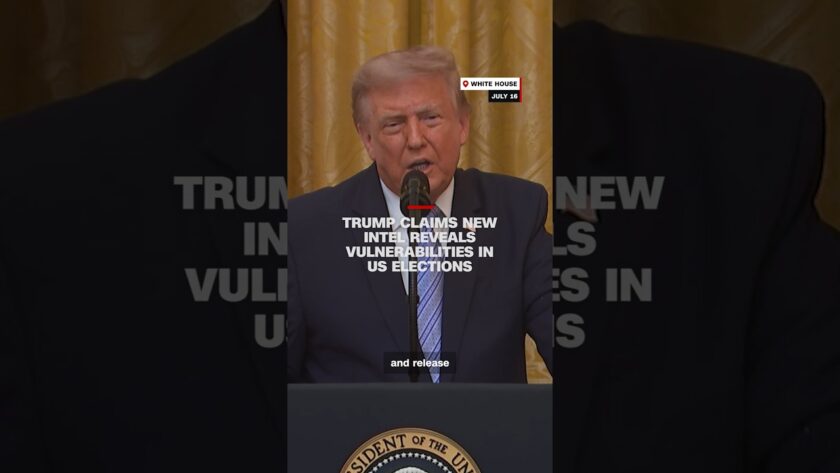
Trump’s administration faces significant scrutiny over its inconsistent messaging regarding Iran. While the president has attempted to project strength, his statements often clash with evolving realities on the ground. Analysts contend that the mixed signals are not merely a matter of tactical missteps but may reflect deeper strategic miscalculations. Critics, both within and outside of the administration, argue that the current trajectory of U.S. policy could undermine America’s standing on the global stage.
Many believe the U.S. has committed to a long-term strategy without clearly communicating the associated costs to the American public. Demonstrating a willingness to take political hits—if this is indeed a deliberate strategy—is complicated by an absence of transparency about the expected timelines and realities of engagement with Iran. This political tightrope is particularly delicate amid growing economic pressures domestically, which have fueled public concern about the efficacy of ongoing military operations.
Military Readiness and Global Standing
The conflict’s protracted nature raises questions about the capability and readiness of the U.S. military in the contemporary warfare environment. As drone technology evolves, traditional military might is being challenged. Insurance companies backing shipping operations in the Straits of Hormuz are increasingly hesitant to operate in the area, signaling broader geopolitical ramifications.
Moreover, U.S. forces appear to lack clarity on how to engage with a complex Iranian regime that encompasses various ideological factions. The Islamic Revolutionary Guard Corps (IRGC) remains deeply embedded within Iran’s political and military structures, complicating any potential path to regime change. Strategic voices within the administration noted that without recognizing the IRGC’s pivotal role, any negotiations risk falling flat.
Moving Forward Amid Chaotic Dynamics
The situation necessitates a rethink of U.S. policy. The foundational approach of negotiating with what some view as a shadowy leadership matrix without clear accountability or insight into its hierarchical behavior could lead to further entrenchment of adversarial dynamics. Critiques of Trump’s early claims—that Iran lacked missile capabilities or nuclear ambitions—are increasingly prevailing within discourse.
In conclusion, the unfolding narrative regarding Iran’s military posture signifies a critical juncture in U.S. foreign policy. As intelligence reports reveal a more nuanced understanding of Iran’s capabilities, decision-makers must grapple with the implications of this new information. The necessity for a strategic recalibration is evident, calling for innovative approaches that address the complexities of an entrenched regime keenly aware of its geopolitical leverage. As the region’s tensions continue to evolve, the U.S. must strive for a coherent and consistent policy that firmly aligns with both strategic interests and the realities of the battlefield.