A Setback for Trump at the Supreme Court: An Analysis of Recent Rulings
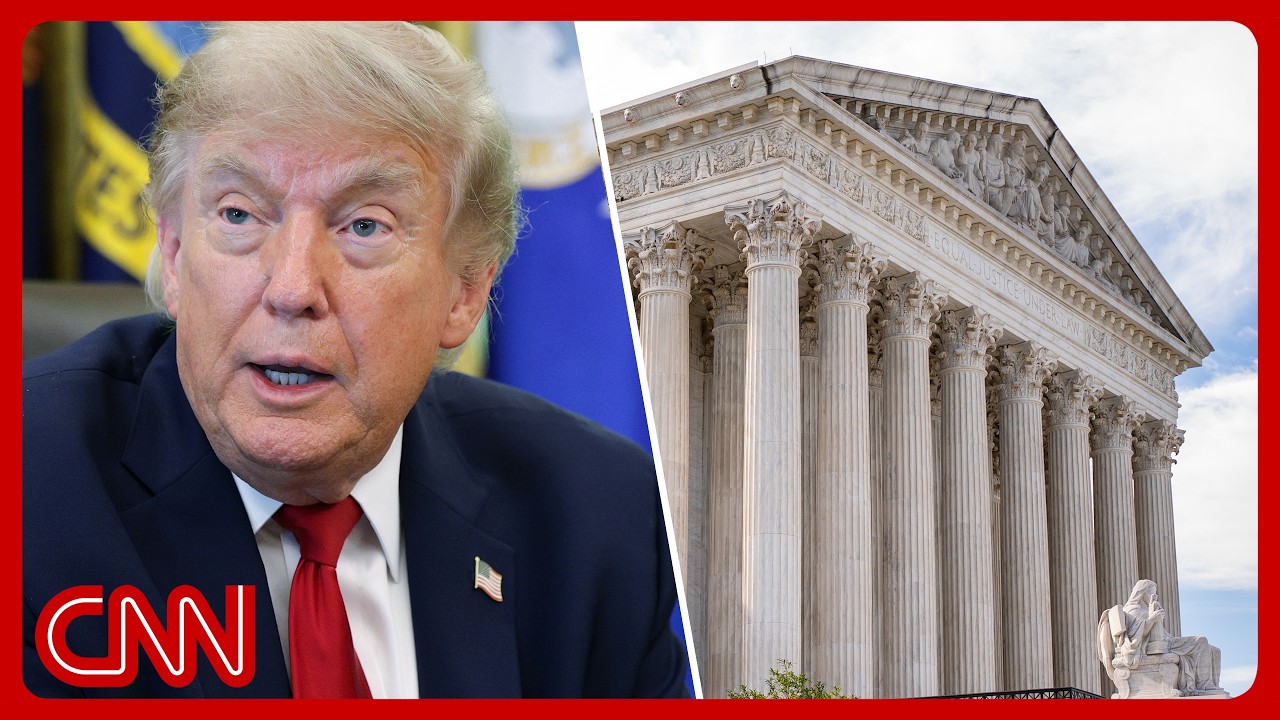
In a significant decision, the Supreme Court dealt a considerable blow to former President Donald Trump, effectively curtailing his attempts to influence the upcoming election. The Court ruled to maintain the counting of mail-in ballots postmarked by Election Day—something that some view as a necessary extension of voting rights, while Trump described it as detrimental to honest elections. His portrayal of mail-in voting as ripe for fraud stands in stark contrast to the lack of evidence supporting such claims.
While Trump took umbrage at this ruling, it is essential to note the irony in his stance. The former president has utilized mail-in ballots himself, having cast his vote in Florida during a special election just months ago. This inconsistency raises questions about the sincerity of his critiques regarding election integrity.
Beyond the voting decision, Trump faced another setback in a civil case involving writer E. Jean Carroll, where he was found liable for sexual abuse and defamation. The Supreme Court declined to hear his appeal, leaving him responsible for a $5 million payout. This dual setback underscores a challenging day for Trump, one that could potentially jeopardize his political ambitions moving forward.
Despite these defeats, Trump focused on a singular victory stemming from the Supreme Court’s ruling regarding his authority over federal employment. The case revolved around the firing of Rebecca Slaughter, a Democrat on the Federal Trade Commission (FTC). Trump celebrated the Court’s decision, claiming it represents a monumental increase in presidential power, asserting that it allows the president to appoint and dismiss officials he can trust.
However, critics argue this newfound power could lead to potential corruption. The FTC, designed as an independent agency to safeguard consumer interests against intrusive corporate practices, finds itself at the heart of this discourse. Trump’s actions in dismissing Slaughter raised alarms about his intentions and his disdain for oversight from independent regulatory bodies.
Moreover, connections between Trump’s business dealings and political decisions have become increasingly scrutinized following a New York Times report detailing a billion-dollar mining deal involving Trump and ties to his sons. This deal encompasses one of the world’s largest reserves of tungsten—a metal crucial for national security and modern technology. The surfacing of such conflicts between private interests and public office exacerbates concerns about the integrity of Trump’s administration, hinting at a possible crony capitalist landscape.
In reflecting on these recent legal battles, one can see a complex dynamic at play. While the Supreme Court has expanded Trump’s executive power, it simultaneously constrained him in emblematic ways, reinforcing the principle of checks and balances essential to the American political system. The decision on Slaughter illustrates this tension; while empowering the president, it risks undermining the structures designed to act as watchdogs against corruption and malfeasance.
As Chief Justice John Roberts articulated, the president should have the trust of his appointed officials. Yet, the question remains: does this mean unchecked authority to dismiss those who provide necessary oversight? Critics, including former FTC officials, argue this undermines the historical purpose of such independent agencies, which were established to prevent corruption and protect the public interest.
Trump’s reaction to these rulings reveals his underlying frustrations with a judiciary that appears less aligned with his interests than he anticipated. His disappointment, particularly with Justice Amy Coney Barrett—whom he nominated—highlights the increasingly fractious relationship between the former president and a segment of the judiciary he sought to influence.
As political observers analyze these developments, a dual narrative emerges: Trump’s increasing consolidation of executive power clashes with judicial decisions that aim to uphold institutional integrity. The ramifications of these rulings will likely resonate well beyond this election cycle, shaping the future of presidential authority and the relationship between private interests and public governance. As the dust settles from this day in court, it’s clear that Trump faces a complex and challenging path ahead.