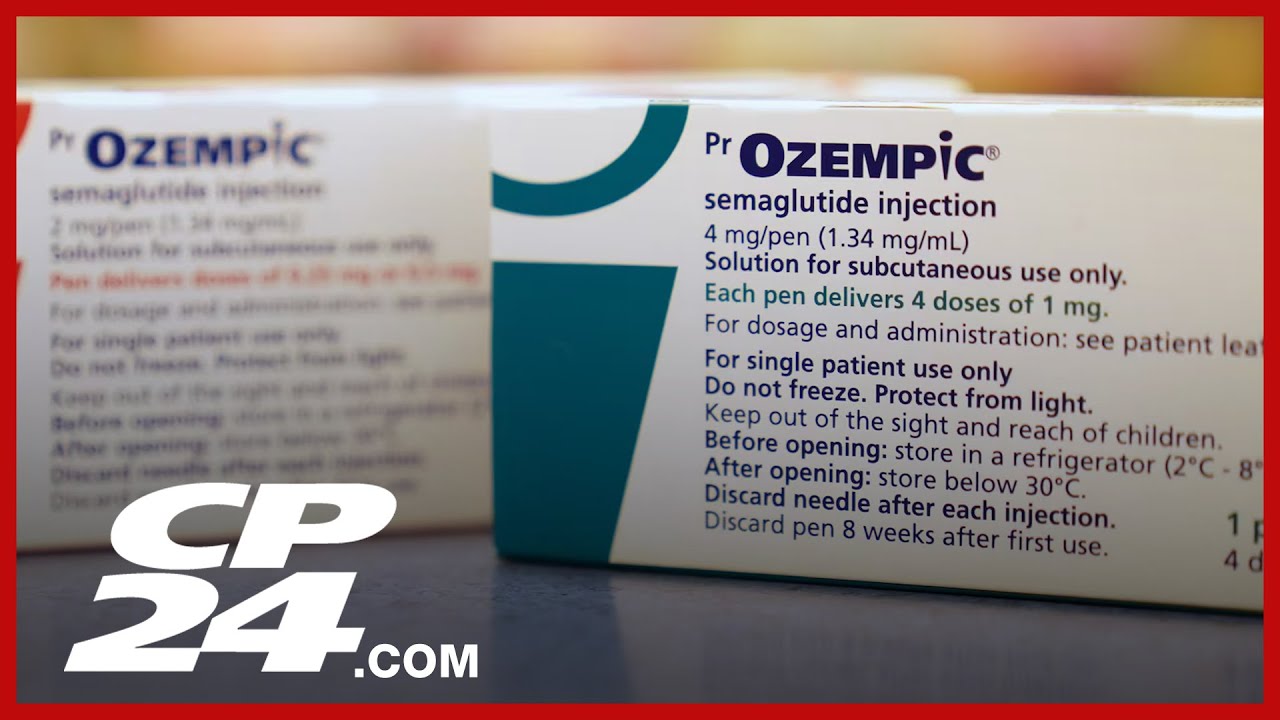
Health Canada Sounds Alarm on Counterfeit Weight Loss Drugs Amid Rising Popularity of Ozempic
As the popularity of weight loss medications like Ozempic continues to soar, Health Canada is issuing a critical warning to consumers regarding the proliferation of counterfeit versions of these drugs. The surge in demand for effective weight management solutions has led to an alarming rise in the availability of fake products being marketed both in physical stores and through online platforms.
Ozempic, originally developed for the treatment of type 2 diabetes, has gained attention for its weight loss benefits. Many individuals struggling with obesity see it as a possible lifeline. However, the escalating interest in this solution has not gone unnoticed by unscrupulous vendors eager to capitalize on the trend. Health Canada recently reported that counterfeit versions of Ozempic and other similar drugs are emerging on the market, often packaged attractively and deceptively.
One major concern identified by Health Canada is the use of the agency’s official logo to promote these counterfeit drugs. The agency is clear: it does not endorse any health products, especially not those sold without proper regulation. The misappropriation of credible symbols can easily mislead consumers, allowing these dangerous products to present themselves as safe and legitimate choices.
The dangers of using counterfeit medications cannot be overstated. Health Canada warns that these products may contain harmful ingredients, incorrect dosages, or none of the active components at all. For individuals seeking genuine weight loss assistance, turning to counterfeit drugs poses severe health risks. The outcome may be far more harmful than simply ineffective; individuals may encounter serious side effects or complications that arise from taking unregulated substances.
Additionally, Health Canada emphasizes the importance of purchasing prescription drugs solely from licensed pharmacies. This guidance is especially crucial in an era where online shopping has become the norm. While convenience is a significant advantage of online purchasing, it also invites risks. Without the oversight of regulated pharmacies, consumers are vulnerable to fraudulent sellers who operate without any accountability.
The situation raises broader concerns about the efficacy of regulatory systems in protecting public health. As demand for effective treatments rises, regulatory bodies like Health Canada must adapt to evolving marketplaces. This includes not only raising awareness about counterfeit products but also ensuring that legitimate options remain accessible to those in need.
Consumers should take proactive measures to safeguard their health. First and foremost, they should consult healthcare professionals when considering weight loss medications. Physicians can provide valuable insights into safe and effective treatment options tailored to individual health conditions.
Furthermore, verification of pharmacies is crucial. Checking for proper licensing and reviewing customer feedback can help mitigate the risks associated with online purchases. Working with healthcare providers and using reputable, certified pharmacies creates a safer pathway for accessing medications.
As the counterfeit drug market continues to grow alongside the popularity of weight loss medications, vigilance is essential. Health Canada’s warnings serve as a vital call to action for consumers to be informed and cautious. Misinformation and counterfeit products thrive in an environment of uncertainty; education and awareness are the best defenses against exploitation by fraudulent vendors.
In conclusion, as innovative weight loss drugs like Ozempic capture public interest, the rise of counterfeit options poses a genuine threat to health. Health Canada is urging individuals to remain vigilant and prioritize safety by only obtaining medications from licensed pharmacies. The preventive measures implemented by consumers and healthcare professionals can significantly reduce the risks associated with counterfeit drugs. Safety should always precede convenience, especially in matters as critical as health care.