The Legal Implications of Military Operations: A Closer Look at War Crimes and Accountability
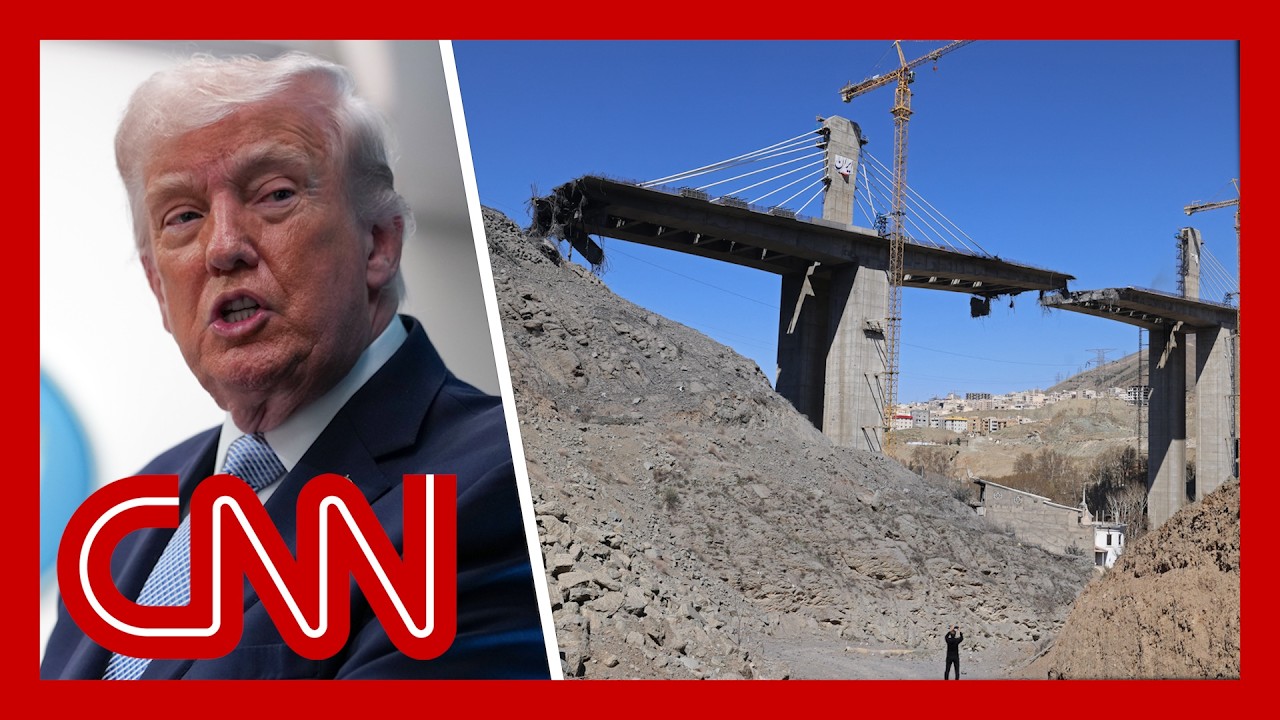
The discourse around military actions involving civilian infrastructure has heightened significantly in recent weeks, as international tensions flare and military strategies are unveiled. Among the prominent voices in this dialogue is Senator Richard Blumenthal of Connecticut, who articulated grave concerns on CNN regarding the potential for war crimes if military actions are directed at non-military targets like bridges and power plants. This expansion of military rhetoric calls for a deeper examination of the legal frameworks that govern wartime actions and the implications of these strategies on international law.
Senator Blumenthal is unequivocal in his assertion that attacks on civilian infrastructure, absent a military purpose, would constitute a war crime. This statement underlines the urgency for Congress to prioritize accountability, particularly as discussions unfold amid renewed military strategies from the Trump administration. The senator’s call to bypass the War Powers Resolution Act by limiting military spending reflects a growing consensus among certain lawmakers calling for restraint in the face of escalating tensions.
The dynamics of military decision-making are tightly interwoven with legal obligations. According to legal experts, each military target—including those tagged for bombing—must undergo rigorous evaluation to determine its legitimacy under international law. In this framework, structures with purely civilian purposes, such as power plants and water treatment facilities, are shielded from attack unless they serve a dual function in military operations. This distinction is critical; failure to adhere to these legal standards places military leadership and the nation as a whole at risk of violating fundamental principles of the law of armed conflict.
General Anderson’s observations echo this sentiment. While military strategies may include options for targeting infrastructure with military significance, the repercussions of indiscriminate bombing of civilian structures could have severe legal and ethical repercussions. The military’s adherence to legal experts ensures that commands are executed within an ethical framework, mitigating the potential for war crimes.
Moreover, this conversation is particularly pressing given the context of recent threats from President Trump. These threats reportedly extend to comprehensive bombing campaigns targeting Iranian infrastructure. Such declarations are not only inflammatory but also risk breaching internationally recognized legal standards. The Secretary-General of the United Nations emphasized that any attacks targeting civilian infrastructure could be classified as violations of international law.
As tensions mount, it is vital to navigate the discourse surrounding military operations carefully. Critics argue that the rhetoric emanating from Washington reflects a dangerous path, with potential implications for both soldiers and civilians alike. The U.S. military operates under strict ethical guidelines, which emphasize the importance of distinguishing between military and civilian targets. The ramifications of overlooking these principles could lead to not only lost civilian lives but also a profound loss of moral authority on the international stage.
The legality of using civilian infrastructure as a bargaining chip is another critical element in this discussion. Recent statements from various political figures indicate a readiness to harm civilian populations to achieve geopolitical goals. Such actions, if pursued, would contravene established international humanitarian laws. The moral implications of these threats extend beyond the battlefield, risking a moral crisis akin to those witnessed in previous conflicts.
Furthermore, Iran’s use of civilian populations as human shields raises complex legal dilemmas. While it is illegal under international law to place civilians in harm’s way for military purposes, it is equally essential to scrutinize the legitimacy of the military actions being threatened in response. The interdependence of civilian and military infrastructure in modern warfare blurs these lines, complicating the legal landscape.
In the grand narrative of international conflict, accountability is paramount. If nations fail to uphold the tenets of international law, the cycle of violence may continue unabated, diluting the moral fabric that should govern state actions. As military monitors, legal experts, and lawmakers engage in these discussions, it is imperative for the voice of reason to prevail. Demand for an immediate cessation of hostilities combined with a commitment to uphold international law stands as a vital objective for a responsible global community.
The path forward must prioritize peace and legal accountability, ensuring that the lessons of the past inform the policies of the present and future. In this era of heightened tensions, the commitment to legal norms must not falter. Only then can a more stable and lawful international order be envisioned.