Vaccine Trust Erodes: The Role of the CDC and Public Perception
The landscape of public trust in healthcare institutions, particularly the Centers for Disease Control and Prevention (CDC), is undergoing a significant transformation. With recent data revealing a sharp decline in public confidence regarding vaccine information, it is imperative to examine the factors leading to this erosion of trust.
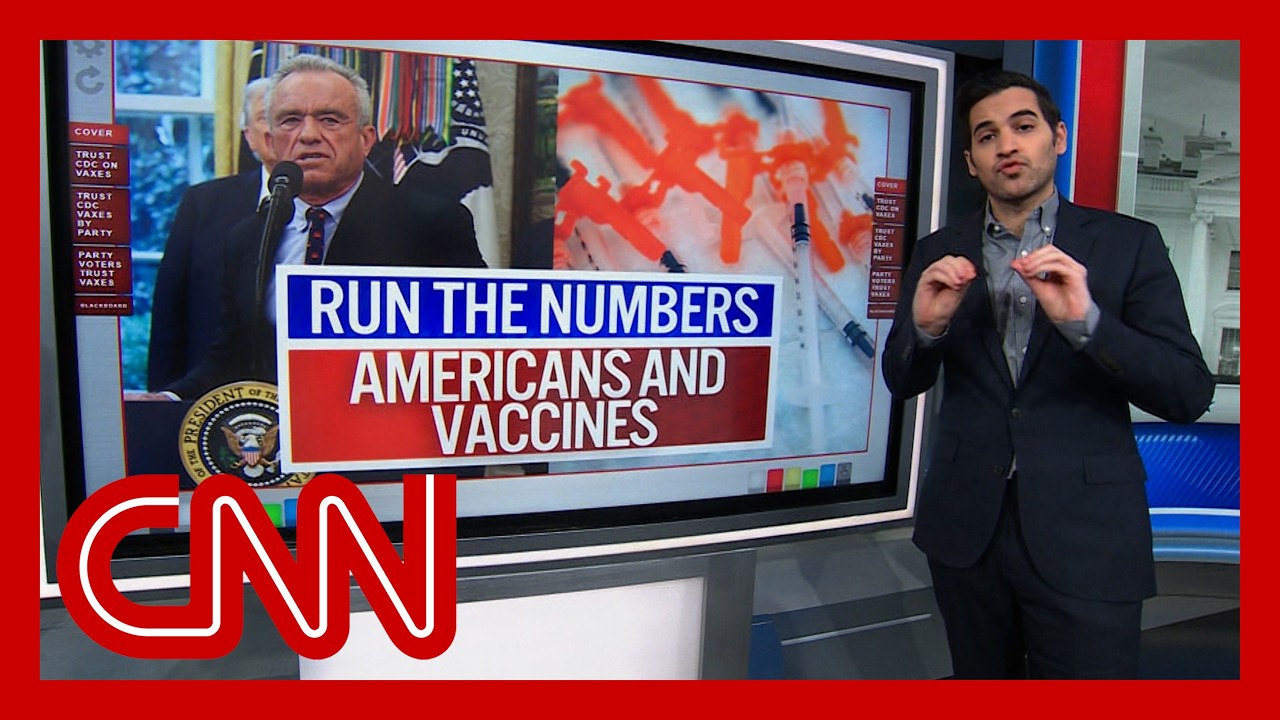
Historically, the CDC has been regarded as a cornerstone of public health communication. However, recent statistics reveal a disconcerting trend. During the Biden administration, trust in the CDC for vaccine-related information stood at 63%. Fast forward to 2025, and that figure has plummeted to a dismal 47%. This represents a watershed moment in public health perception; for the first time, a majority of Americans express skepticism towards the CDC.
What accounts for this decline? One figure who stands out in this narrative is Robert F. Kennedy Jr. His vocal criticism of vaccines and the CDC has contributed to a pervasive atmosphere of distrust. It seems that reestablishing credibility is an uphill battle. The statistics are telling: trust among Democrats has fallen from 88% to just 55%. Interestingly, even Republicans, who one might expect to rally around an administration sympathetic to their views, have only seen a marginal increase in trust—from 40% to 43%.
This dual decline in trust among both parties is significant. Historically, Democrats have been more inclined to support vaccine initiatives compared to their Republican counterparts. Recent polls indicate that a 16-point advantage now exists favoring Democrats regarding vaccine trust, even more pronounced among independents with a staggering 32-point advantage. This dynamic presents a potential challenge for Republicans, especially if RFK Jr. continues to dominate public discourse on vaccines as the midterm elections approach.
In light of this shifting sentiment, how is the Biden administration responding? President Trump has recently proposed a bold overhaul of the U.S. healthcare system, positioning it as a central piece of his midterm strategy. He advocates for a model where healthcare funding goes directly to individuals, enabling them to make personal choices regarding their care. However, critics argue that such a plan lacks concrete support from Congress, which has historically resisted any substantial changes in healthcare policy.
Yet, the ongoing debate surrounding vaccines is further complicated by evolving CDC guidelines. A key vaccine advisory committee, responsible for reviewing and recommending immunization schedules, recently postponed a meeting intended to address vaccine guideline updates. Such delays raise concerns about the efficacy and reliability of current vaccine recommendations.
As pointed out by former acting CDC director Dr. Richard Besser, the ramifications of rolling back certain vaccine guidelines could be dire. Reports of measles outbreaks in states like South Carolina highlight a troubling trend; vaccination rates are declining, leading to increased risks of preventable diseases. Dr. Besser stresses that the CDC has historically provided invaluable guidance to healthcare professionals on vaccine safety and efficacy. However, he warns that growing public misinformation undermines this role and promotes unsettling narratives around vaccine choice.
The implications of this ongoing crisis extend far beyond individual choice. A vaccination is not solely a personal decision; it is inherently a community responsibility. Dr. Besser emphasizes that children with medical conditions, who cannot be vaccinated, are particularly vulnerable. Ensuring widespread vaccination is crucial not only for individual protection but for safeguarding entire communities against outbreaks.
Finally, as public perception continues to shift, a clear challenge emerges. Institutions like the CDC have long been trusted sources of information, but the trust deficit created by misinformation and political machinations poses significant risks. The path to rebuilding credibility will likely necessitate transparent communication, rigorous adherence to scientific evidence, and a renewed commitment to public health education.
In this precarious environment, where misinformation persists, the challenge is clear. The health and safety of communities hinge on public trust in vaccines and the institutions that endorse them. As the conversation evolves, stakeholders must remain vigilant, working collaboratively to restore faith in public health recommendations and practices.