Analyzing President Trump’s Upcoming State of the Union Address: A Lengthy Promise and Strategic Messaging
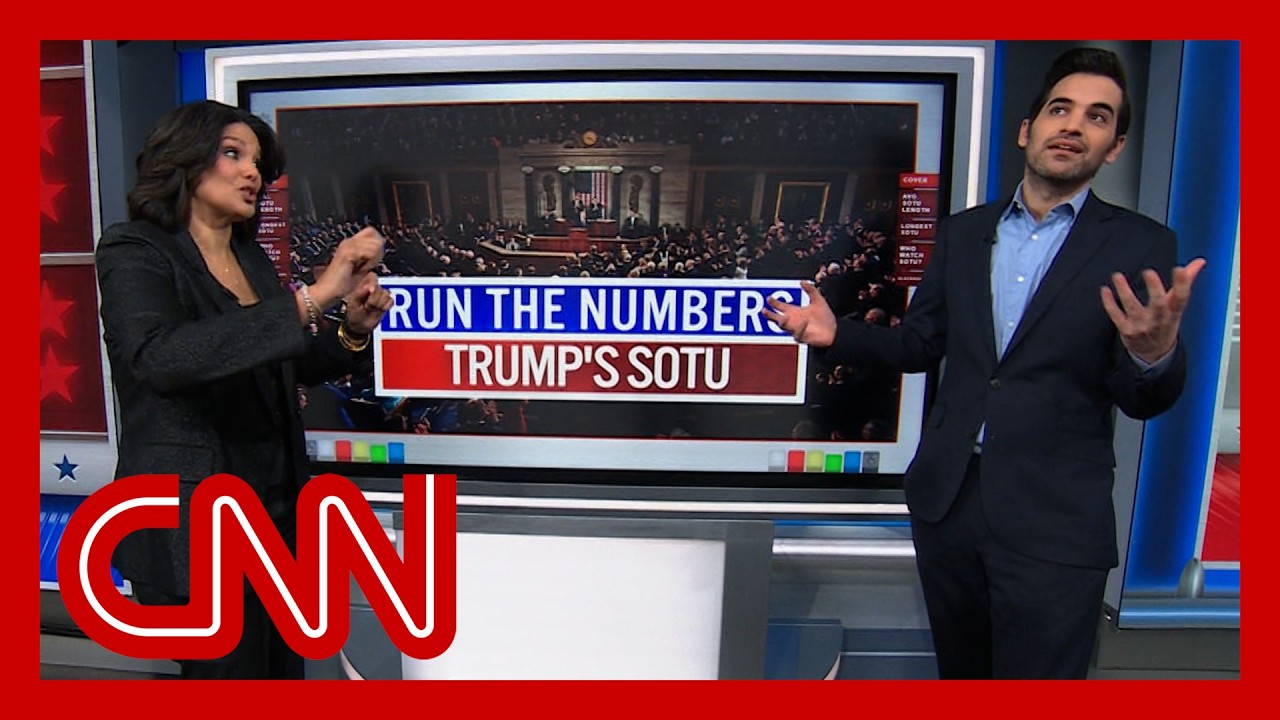
As President Trump prepares for what he claims will be a lengthy State of the Union address, the anticipation is palpable. Trump’s speeches have historically been longer than those of his predecessors—averaging about 80 minutes during his two presidencies versus the typical 54 minutes of recent presidents since 1964. This self-awareness of length does raise an important question: how effective will this lengthy address be, especially given the shorter attention spans of today’s audience?
In recent years, State of the Union addresses have often turned into political battlegrounds. Trump’s approach showcases his intent to connect directly with his base rather than appeal to moderate or independent voters. Polls indicate that about 48% of Republicans watch his speeches compared to just 32% of the overall American populace. This divide signals a concerted effort from Trump to solidify his core supporters while largely bypassing independents, who may be disenchanted with the current political climate.
Anticipation of the content offers insight into Trump’s priorities. His team is suggesting that he will focus on the achievements of his administration, including tax cuts and efforts to lower prescription drug prices. Furthermore, he is likely to highlight America’s upcoming 250th anniversary, framing it as a marker of American exceptionalism. However, the challenge will lie in how he aligns these topics with the pressing concerns of the electorate, particularly regarding economic stability and affordability—areas where recent polling shows significant discontent toward his administration’s performance.
Intriguingly, while he may intend to address topics central to American households, Trump’s track record suggests a propensity to shift the narrative to more personal stories or grievances. This may be a double-edged sword, as it risks alienating moderates who have already expressed dissatisfaction with his handling of key issues like the economy.
Moreover, the stage is set with both supporters and critics present. Some Democrats have opted to boycott the speech, indicating a significant divide. House Minority Leader Hakeem Jeffries pointed out that those attending are expected to display "silent defiance" rather than outright hostility. This setting will demand a delicate balance from Trump, especially when he is faced with Supreme Court justices and Republican lawmakers who may not agree with all of his policies.
As commentators analyze what to expect from Trump’s lengthy address, the core argument seems to be dual-faceted: promoting the notion of a strong economy while contrasting himself with Democratic policies, especially on pressing topics like immigration and crime. His advisers have emphasized the need for him to stick to a clear message, ideally transitioning seamlessly from praises of his administration to an acknowledgment of the struggles faced by ordinary Americans.
The stakes for this address are high. Trump’s approval stands at 36%, and as the midterm elections approach, the performance of this speech could set the tone for his party’s campaign strategy. If he can energize his base while also addressing the concerns of independents, he may strengthen his position moving forward. Conversely, if he focuses too heavily on his achievements without sufficiently addressing the public’s dissatisfaction, he risks deepening the rift among potential voters.
In conclusion, President Trump’s upcoming State of the Union address is poised to be a significant moment in his presidency. The length of the speech, reflective of his tendency to speak at length, raises questions about its effectiveness in a time of dwindling attention spans among voters. Will he successfully convey a message that resonates with the broader public? The answer to that question will have implications not just for his presidency but also for the political landscape as the country inches closer to the next election cycle. Ultimately, this address will serve as a litmus test for Trump’s ability to adapt his message in a rapidly changing political environment.